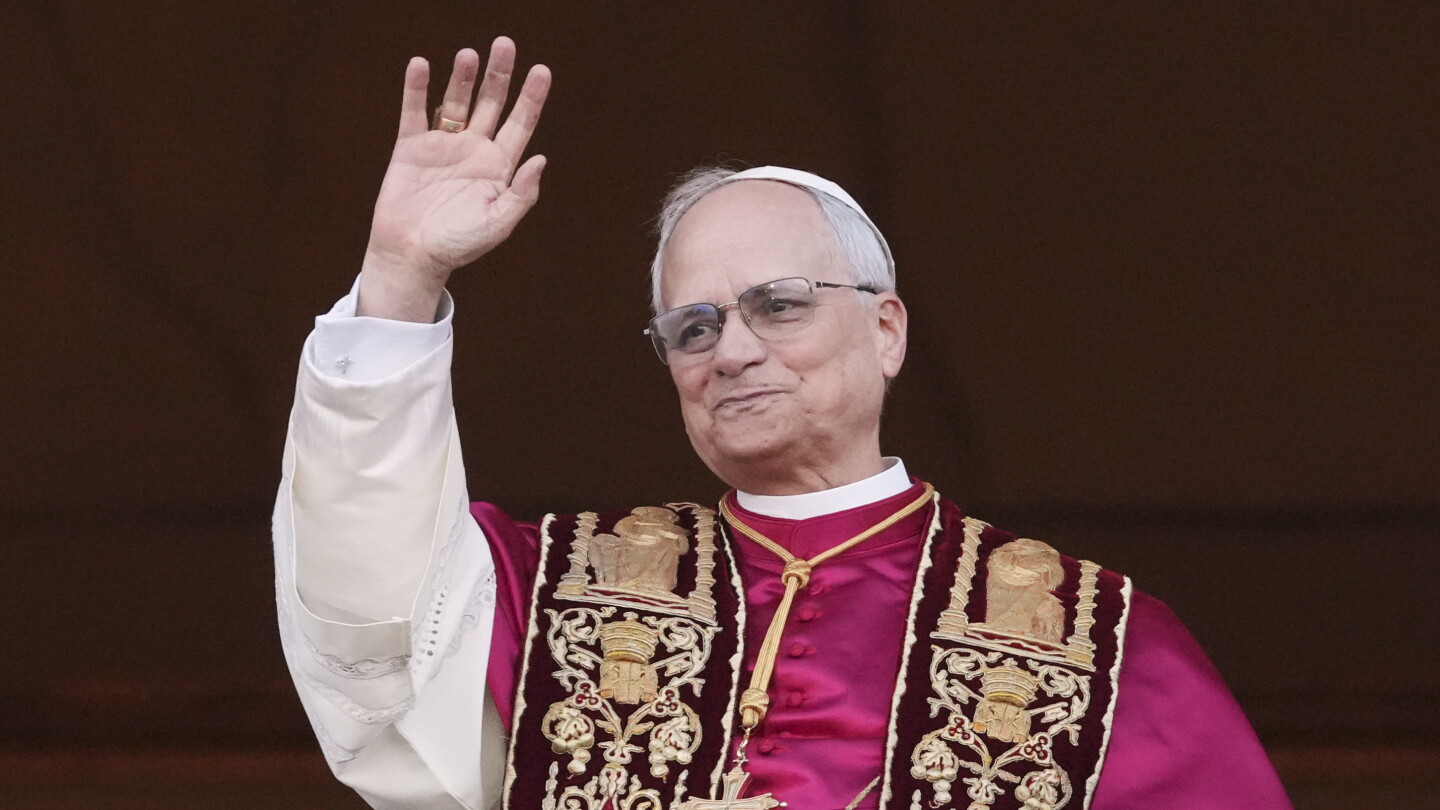
Pope John Paul II was the first non-Italian pontiff in 455 years and a central figure in the collapse of European communism. Born Karol Józef Wojtyła in Wadowice, Poland, his 26-year papacy transformed the moral authority of the Catholic Church and shifted geopolitical borders through a unique blend of spiritual resistance, mass diplomacy, and personal charisma.
Unlike previous pontiffs shaped entirely by Vatican diplomacy, Wojtyła grew up under the shadows of Nazi occupation and Soviet-backed totalitarianism. His election in October 1978 injected a new kind of leadership into global politics, turning the Vatican into an ideological counterweight to the Eastern Bloc.
Early Life in Poland and Survival Under Totalitarianism
Karol Wojtyła's early years were defined by immense personal loss and state violence. By the time he was twenty-one, his mother, his brother, and his father had all passed away. During World War II, the Nazi regime closed universities in Kraków, forcing Wojtyła into manual labor in a stone quarry and a chemical plant to avoid deportation.
- The Underground Seminary: Amid the dangers of the Nazi occupation, Wojtyła joined an underground seminary hosted secretly in the residence of the Archbishop of Kraków.
- The Rhapsodic Theatre: He participated in an underground cultural resistance group that used Polish literature and drama to keep national identity alive without resorting to physical violence.
- Ordination: He was ordained as a priest in 1946, quickly earning a reputation as an intellectual who connected deeply with students through outdoor trips, camping, and open philosophical discussions.
He rose rapidly through ecclesiastical ranks, becoming the youngest auxiliary bishop in Poland in 1958, Archbishop of Kraków in 1964, and a Cardinal in 1967. During these decades, he mastered the art of navigating communist bureaucracy without compromising church independence, preparing him for the global stage.
The 1979 Pilgrimage: Igniting the Fall of Communism
Within months of his election, John Paul II returned to Poland for a nine-day pastoral visit in June 1979. It was an event that changed European history.
The communist regime permitted the visit, underestimating the drawing power of a native son. Instead, over a third of the Polish population turned out to see him. Standing before massive crowds in Victory Square in Warsaw, the Pope delivered a homily centered on a phrase that shook the regime: "Let your Spirit descend and renew the face of the earth... the face of this land."
He did not call for armed insurrection; instead, he reminded millions of citizens of their inherent human dignity under totalitarian rule. This realization broke the psychological barrier of fear.
- The Birth of Solidarity: Inspired by the papal visit, workers across Polish shipyards organized the Solidarność (Solidarity) trade union led by Lech Wałęsa later that year.
- Geopolitical Pressure: The Vatican provided moral and material backing to the clandestine movement, forming a de facto alliance with Western leaders like U.S. President Ronald Reagan to keep pressure on Soviet leadership.
- The Domino Effect: The movement eventually forced the regime to negotiate, triggering the peaceful revolutions of 1989 and the eventual dissolution of the Soviet Union.
You can read more about archival perspectives on this era through the Cold War International History Project.
A Global Papacy and Unprecedented Travel
John Paul II rejected the traditional isolation of the Vatican, earning the moniker of the "Pilgrim Pope." He traveled to 129 countries over his pontificate, logging enough miles to circle the globe multiple times.
His strategy was direct: meet people where they were, challenge unjust regimes, and engage directly with global youth. These massive World Youth Day gatherings drew millions of teenagers and young adults, creating a vibrant global subculture within Catholicism.
+-------------------------------------------------------------+
|               Key Milestones of the Papacy                  |
+-------------------------------------------------------------+
| 1978: Election of Karol Wojtyła as Pope John Paul II        |
| 1979: Historic 9-day pilgrimage to Poland (igniting Solidarity)|
| 1981: Survives an assassination attempt in St. Peter's Square |
| 1986: Initiates the World Day of Prayer for Peace in Assisi |
| 2000: Issues historic apology for historic Church sins      |
| 2005: Death on April 2, drawing millions of mourners        |
+-------------------------------------------------------------+
Theological Conservatism Meets Social Reform
While John Paul II was a revolutionary against political tyranny, he remained staunchly traditional regarding church doctrine. He enforced strict adherence to clerical celibacy, barred the ordination of women, and reaffirmed traditional teachings against artificial contraception, divorce, and abortion.
At the same time, he broke historical boundaries in interfaith relations:
- He became the first modern pope to visit a Roman synagogue in 1986, referring to Jewish people as "our elder brothers" in the faith.
- He entered and prayed inside a mosque during a 2001 trip to Syria.
- He issued formal apologies for the historical failings of Catholics, including the Inquisition, the Crusades, and the Church's silence during the Holocaust.
For official documentation on Vatican history and encyclicals published during this era, consult the Vatican Archives.
Common Misconceptions About Pope John Paul II
Many modern observers misunderstand the nature of his activism, projecting contemporary political alignments onto his 26-year tenure.
- Misconception: He was a capitalist partisan. While he despised Marxism because it treated human beings as economic cogs, he was equally critical of unfettered, predatory capitalism in his encyclical Centesimus Annus, warning that free markets must remain morally tethered to human welfare.
- Misconception: He orchestrated the fall of the Berlin Wall alone. Historians emphasize that while his moral authority provided the spark, the collapse was driven by grassroots organizers, economic decay within the Soviet Union, and local reformers.
- Misconception: He was universally progressive. His progressive stance on human rights and international debt relief coexisted with unyielding adherence to traditional dogmatic structures.
Frequently Asked Questions
Why was John Paul II called the "Slavic Pope"?
He was the first pope born in a Slavic nation (Poland), which gave him a deep, firsthand understanding of Slavic culture, language, and the specific pressures exerted by Soviet hegemony in Eastern Europe.
How many languages did Pope John Paul II speak?
He was a gifted linguist who spoke up to eight languages fluently, including Polish, Italian, English, German, Spanish, French, Portuguese, and Latin, which allowed him to address foreign leaders and crowds directly without an interpreter.
What happened during the 1981 assassination attempt?
On May 13, 1981, Turkish gunman Mehmet Ali Ağca shot and severely wounded the Pope in St. Peter's Square. John Paul II survived, famously later visiting Ağca in an Italian prison to forgive him face-to-face.
How long was his papacy?
His papacy lasted from October 16, 1978, until his death on April 2, 2005—a total of 26 years and five months, making it one of the longest reigns in papal history.



