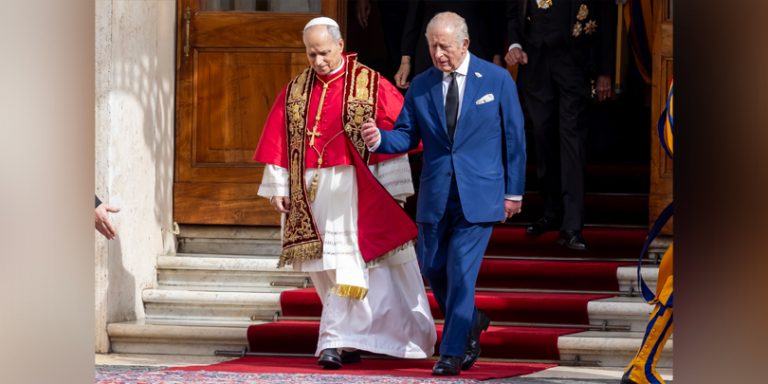
Pope Francis transformed the global identity of the Catholic Church during his twelve-year pontificate. Born Jorge Mario Bergoglio in Buenos Aires on December 17, 1936, he became the first Latin American, first Jesuit, and first Southern Hemisphere pope in modern history. His leadership bridged centuries-old tradition with urgent modern realities, shifting the Vatican's focus from internal governance to pastoral outreach on the peripheries.
Evaluating his legacy requires looking past superficial media narratives to examine how a chemist-turned-priest from Argentina reshaped the moral vocabulary of the modern world. His papacy combined strict adherence to traditional faith with radical institutional reform, leaving an enduring mark on both the faithful and secular observers alike.
The Formative Years in Argentina
Jorge Mario Bergoglio grew up as the eldest of five children born to Italian immigrant parents in Buenos Aires. Before entering the seminary, he earned a diploma as a chemical technician and worked in food science laboratories. This scientific background grounded him in practical observation, a trait that later influenced his down-to-earth communication style.
At age twenty-one, Bergoglio entered the novitiate of the Society of Jesus. His early training coincided with a period of profound social and political turmoil in Argentina. Ordained a priest in 1969, he rose quickly through the Jesuit order, serving as provincial superior during the politically fraught years of the military dictatorship.
This era tested his leadership. Critics and supporters alike have long scrutinized his decisions during the "Dirty War," a period when balancing institutional safety with moral resistance forced him into complex compromises. Later, as Archbishop of Buenos Aires, Bergoglio traded the traditional bishop's palace for a modest apartment, cooked his own meals, and rode public transit. He lived out his conviction that spiritual leaders must share the daily struggles of ordinary people.
Breaking the Mold: The Election of 2013
When Pope Benedict XVI resigned in 2013, the College of Cardinals sought a leader capable of cleaning up Vatican financial scandals and revitalizing an aging European-centric institution. On March 13, 2013, smoke rose from the Sistine Chapel signaling a choice that surprised the world.
Choosing the name Francis in honor of Saint Francis of Assisi, the new pontiff immediately signaled a break from papal protocol. He opted to live in the Casa Santa Marta guesthouse rather than the Apostolic Palace, setting a tone of radical simplicity. His opening words to the crowd in St. Peter's Square—a simple request for a blessing—reframed the relationship between the papacy and the global flock.
Defining Pillars of the Papacy
Francis structured his ministry around specific pastoral priorities that challenged both conservative and progressive factions within the Church:
- The Field Hospital Church: In his apostolic exhortation Evangelii Gaudium, Francis described the Church as a field hospital after battle, prioritizing mercy, healing, and direct outreach over rigid doctrinal policing.
- Environmental Stewardship: His 2015 encyclical Laudato Si' linked the crisis of environmental degradation directly to consumerism and global poverty, turning climate action into a moral and spiritual imperative.
- Synodality: He championed a decentralized decision-making model, encouraging local bishops, clergy, and laypeople to walk together through global synods to discuss pressing contemporary challenges.
Major Controversies and Institutional Reform
Reforming the Roman Curia proved to be one of Francis's hardest battles. Through his constitution Praedicate Evangelium, he restructured Vatican departments to emphasize evangelization over administrative bureaucracy. He also centralized financial oversight to combat corruption and mismanagement within Vatican financial institutions.
Yet, his tenure faced steep criticism. Traditionalists argued that his pastoral flexibility on hot-button moral questions created doctrinal confusion. Conversely, progressive reformers argued he did not move fast enough to alter official Church policies regarding women's roles or LGBTQ+ inclusion.
When addressing the clergy sex abuse crisis, Francis faced heavy scrutiny. While he instituted stricter accountability measures and lifted the pontifical secret for abuse trials, victims' advocates repeatedly pointed out that global enforcement remained inconsistent across various dioceses.
Final Years and Global Impact
In his final years, despite advancing age, mobility struggles, and failing health, Francis maintained an active international schedule. He continued to advocate for peace in war-torn regions like Ukraine and Gaza, and challenged wealthy nations to address migrant crises.
His papacy concluded with his passing on April 21, 2025, leaving behind a College of Cardinals largely shaped by his appointments. His legacy remains a subject of intense theological and historical evaluation, defining an era where the Vatican was forced to look outward toward a diverse, interconnected world.
To read official biographical documents and papal texts from this era, visit the Vatican Archives. For historical analysis on Jesuit leadership, explore the Jesuits global portal.
Frequently Asked Questions
Why did Jorge Mario Bergoglio choose the name Francis?
He chose the name in honor of Saint Francis of Assisi, the 13th-century friar known for his commitment to poverty, peace, and environmental protection. It served as a programmatic statement signaling a papacy dedicated to the poor and marginalized.
What were the major achievements of Pope Francis?
His major achievements include restructuring the Roman Curia, elevating environmentalism to a core Catholic doctrine through Laudato Si', promoting global synodality, and shifting the global tone of the Church toward radical mercy and pastoral inclusion.
Was Pope Francis the first Jesuit pope?
Yes. Jorge Mario Bergoglio was the first member of the Society of Jesus to be elected Bishop of Rome in the history of the Catholic Church.
Where is Pope Francis buried?
Breaking with the traditional practice of interment in the Vatican Grottoes beneath St. Peter's Basilica, Francis requested burial in the Basilica of Santa Maria Maggiore in Rome, honoring a lifelong devotion to the Marian icon housed there.


