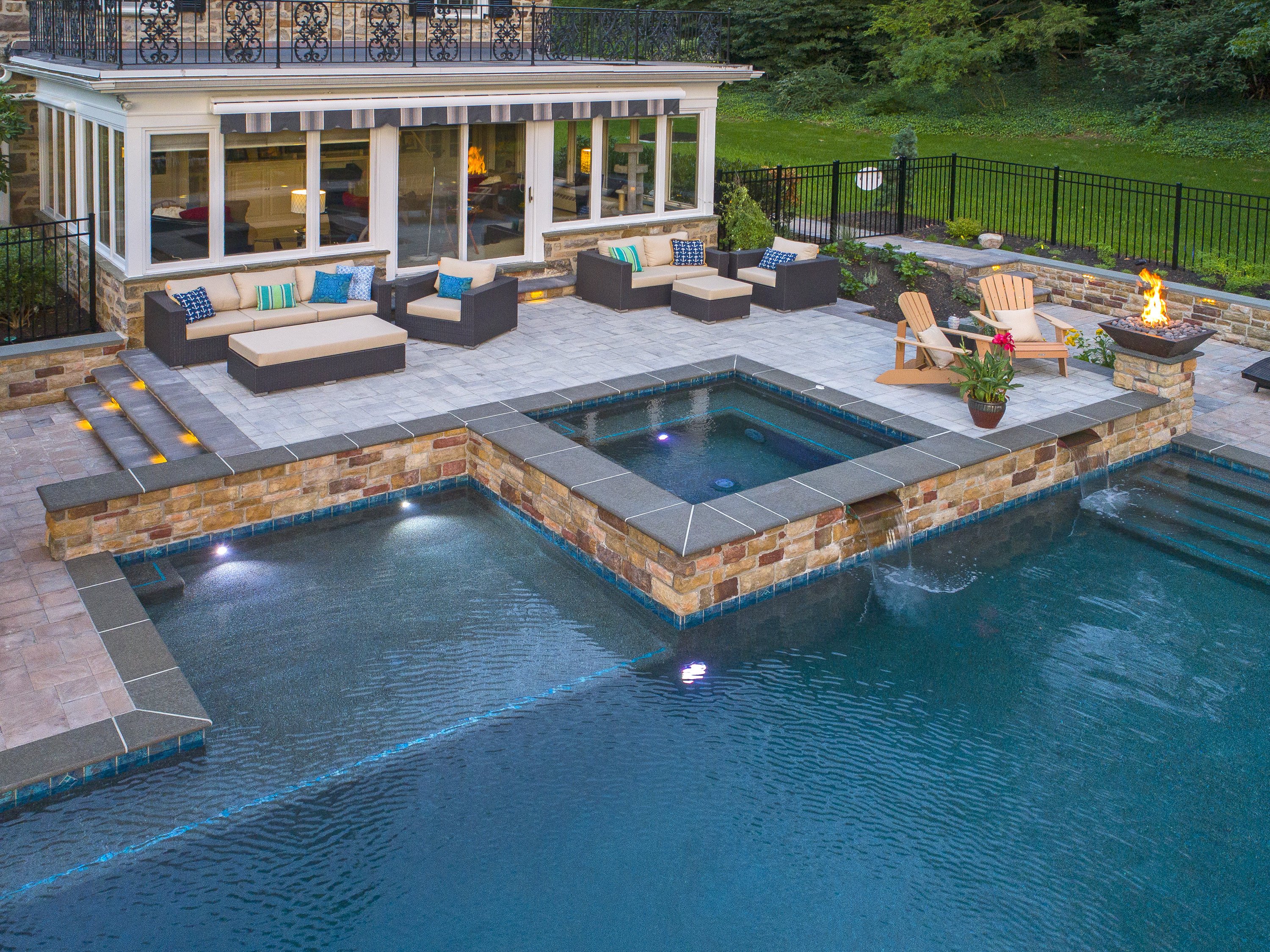
When the summer heat peaks, finding true relaxation on the water comes down to having the right setup. Choosing the ideal pool lounger transforms a standard backyard swim into a private oasis of rest. Whether you want to drift peacefully while reading a book or catch some sun without getting completely soaked, understanding your options makes all the difference.
Selecting the right floating chair requires looking past cheap inflatables that leak after two uses. Modern pool loungers range from foam-padded luxury floats to rigid chaise lounges designed specifically for shallow tanning ledges. Knowing how different materials, buoyancy levels, and ergonomic designs perform in chlorinated water helps you invest in gear that lasts for years.
Understanding Pool Lounger Materials
The longevity and comfort of your floating lounger depend entirely on its construction. Different materials handle UV rays, pool chemicals, and body weight in distinct ways.
PVC and Vinyl Inflatables
Traditional PVC and vinyl floats are budget-friendly and easy to deflate for winter storage. They pack down small, making them great for travel or quick trips to the public pool. However, they are prone to punctures from sharp fingernails, buttons, or pool toys. You'll also find that vinyl loses air pressure when exposed to direct sunlight as the internal air expands and contracts. For another look on this event, see the recent coverage from Reuters.
High-Density Closed-Cell Foam
If you hate messing with air pumps, closed-cell foam loungers are a massive upgrade. These solid foam floats don't absorb water, meaning they never need inflation. They offer firm, buoyant support that conforms slightly to your body shape. Brands like Sunchaser use vinyl-dipped foam coatings that resist chlorine damage and peeling, though they do require proper storage out of direct sunlight to prevent premature fading.
Rigid Resin and HDPE Frames
For tanning ledges and Baja shelves, rigid high-density polyethylene (HDPE) or commercial-grade resin loungers are the gold standard. These pieces sit either partially submerged or entirely on a dry deck, providing the look of high-end patio furniture right inside the water. They won't puncture, fade easily, or flip over when you climb on.
Key Design Styles for Every Pool Setup
Different pool layouts demand different styles of loungers. Matching the float to your pool's depth and your personal comfort preference ensures maximum relaxation.
- Full-Submersion Floats: Designed to keep you partially in the water, cooling you off continuously while supporting your head and neck above the surface.
- Semi-Submerged Chaise Lounges: Built specifically for tanning ledges with 6 to 9 inches of water. They keep your torso mostly dry while your lower legs rest in the cool water.
- Saddle and Noodle Floats: Minimalist options that let you sit upright like you're riding a horse, perfect for socializing and holding a drink.
- Floating Hammocks: Feature a mesh center that suspends your body right at the waterline, keeping you cool without total immersion.
Essential Features to Check Before Buying
Before purchasing a pool lounger, evaluate several critical performance factors to avoid buyer's remorse.
- Weight Capacity: Always check the manufacturer's maximum weight limit. Exceeding this limit forces the lounger too low into the water, ruining your comfort and straining the seams.
- Ergonomic Support: Look for built-in headrests, lumbar curves, and armrests. Flat rafts force your neck into an awkward angle, whereas contoured designs relieve spinal pressure.
- Tethering and Anchor Points: If you want to stay in one spot rather than drifting into the skimmer basket, look for loungers with built-in grommets or tether loops to anchor them to the pool wall or ladder.
- Cup Holders: Integrated cup holders keep your hydration close by, preventing spills and constant trips back to the patio table.
Maintenance Tips to Extend Lifespan
Pool chemicals and relentless UV rays are harsh on outdoor gear. Simple maintenance routines prevent sticky residue, mold growth, and material degradation.
Rinse your pool lounger with clean tap water after every few uses to wash away chlorine, bromine, and sunscreen oils. Sunscreen is particularly damaging to vinyl and foam over time, causing discoloration and breakdown of the outer coating.
Never leave inflatable or foam loungers floating in the pool overnight when not in use. Constant exposure to sanitizing chemicals under direct moonlight and morning heat accelerates wear. Store them in a shaded, ventilated deck box or shed once they are completely dry to prevent mildew. For rigid resin furniture on tanning ledges, use a mild dish soap and a soft brush monthly to remove calcium scaling and algae buildup.
Frequently Asked Questions
Can pool loungers be left in saltwater pools?
Yes, but you need to rinse them thoroughly with fresh water more frequently. Salt systems are gentle on skin, but salt residue can dry on fabric and plastic surfaces, leading to faster degradation if left unchecked.
How do I patch a puncture on a vinyl pool float?
Clean and dry the area surrounding the leak completely. Apply a heavy-duty waterproof vinyl patch kit, pressing firmly for at least sixty seconds to ensure a secure bond before re-inflating.
Are tanning ledge loungers safe for vinyl-lined pools?
You must be careful. Hard plastic or resin legs can scratch or tear a vinyl pool liner if dragged across the bottom. Always lift rigid loungers completely when moving them across a vinyl pool surface.
What is the most durable type of pool lounger?
Closed-cell foam floats coated in vinyl and rigid resin chaise loungers offer the longest lifespan, often lasting anywhere from 5 to 10 years with proper care and seasonal storage.


