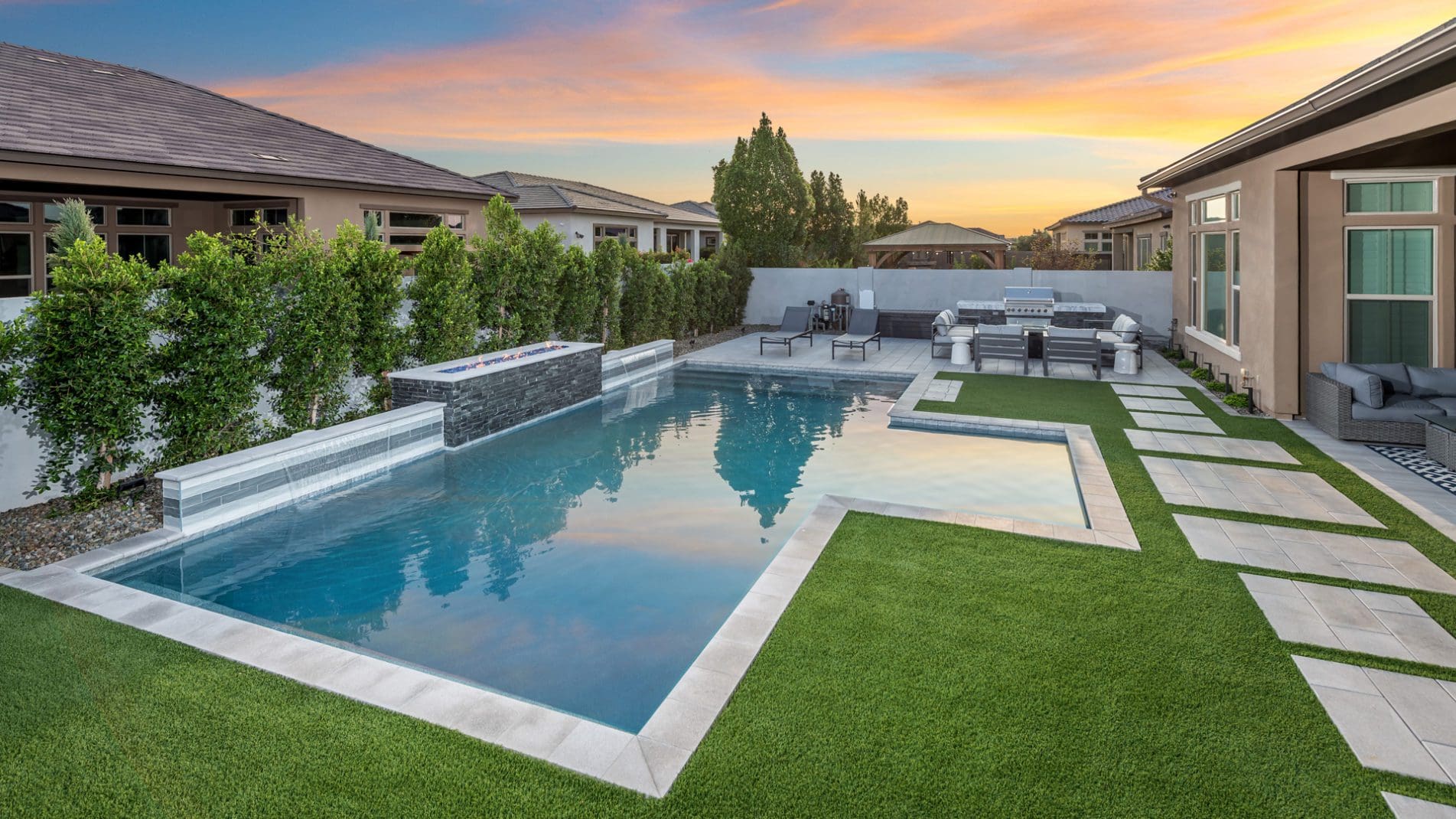
Finding the right hardware for your swimming pool shouldn't feel like a guessing game. When you shop for pool ladders at Menards, you're looking for sturdy materials, dependable stability, and easy installation that keeps family and guests safe. Choosing the correct model depends entirely on your pool deck layout, water chemistry, and whether you need a fixed anchor or a removable option for winterizing.
Menards carries several options for backyard pools, ranging from lightweight aluminum units to heavy-duty stainless steel configurations. We'll break down the exact options available, how to evaluate load ratings, and the critical installation steps you need to know before drilling into your concrete pool deck.
Types of In-Ground Pool Ladders at Menards
Selecting the correct ladder configuration starts with understanding how you and your family enter and exit the water. Your pool's shape, coping overhang, and surrounding deck space dictate which style fits best.
- Standard Straight Ladders: Best for rectangular or oval pools with a uniform perimeter wall. These units feature parallel handrails and straight steps that descend vertically into the water.
- Corner Units: Triangular or L-shaped configurations designed to tuck neatly into pool corners. They maximize swimming space in smaller pools and provide a wider, more gradual descent.
- Removable Ladders: Built with hinges or deck sockets that let you lift the entire unit out of the water. Homeowners in cold climates often choose these to make winter pool covers fit snugly without obstruction.
Material Breakdown: Steel vs. Aluminum
The material of your pool ladder dictates its lifespan, price point, and how it reacts to sanitizing chemicals.
Most models feature either powder-coated steel or marine-grade aluminum. Steel offers exceptional rigidity and heavy weight capacity, but it requires a high-quality protective coating to prevent corrosion. If you run a saltwater pool system, standard steel will pit and rust rapidly unless it's marine-grade stainless steel (such as 316 grade).
Aluminum provides a lighter alternative that resists rust naturally due to its oxide layer. Anodized aluminum options handle regular chlorine exposure well and make seasonal removal much easier on your back. However, aluminum can flex slightly more under heavy loads than thick-walled steel.
Sizing and Dimensional Requirements
Before heading to your local store or ordering online, grab a tape measure. A poor fit leads to wobbly handrails and unsafe entry points.
- Tread Depth and Spacing: Look for deep, slip-resistant treads. Standard step spacing usually ranges from 9 to 12 inches, which accommodates both adults and children safely.
- Well Width: Measure the distance between your pool wall and the anchor sockets on the deck. The ladder must clear the pool coping without rubbing against the liner or gunite shell.
- Handrail Height: Ensure the top rails extend high enough above the deck to provide a secure grip before your feet leave the coping.
According to ANSI/APSP standards, pool access equipment must support designated weight loads and maintain slip resistance under wet conditions. Always check the manufacturer's exact specification sheet for load ratings, which typically range from 250 to 400 pounds.
Step-by-Step Installation Process
Installing an in-ground pool ladder securely requires precision. A loose anchor socket can pull out of concrete under body weight, leading to severe injury.
- Check Deck Clearance: Position your ladder assembly on the pool deck to verify that it clears the coping stone and sits flush against the pool wall with rubber bumpers.
- Mark Anchor Locations: Insert the anchor sockets into the ladder rails and place the assembly where it will be permanently mounted. Mark the exact center points for your drill holes on the concrete deck.
- Drill and Clean Sockets: Use a masonry hammer drill with the bit size specified by your ladder's installation manual. Vacuum all concrete dust out of the holes; leftover dust weakens the anchoring cement.
- Set Anchors and Bonding: Install the brass anchor sockets, ensuring they are level and bonded to your pool's equipotential bonding grid as required by electrical safety codes. Pour hydraulic cement or epoxy around the sockets and let it cure completely.
- Secure the Ladder: Slide the ladder rails into the cured anchor sockets and tighten the wedge bolts securely. Attach the rubber bumpers to the bottom of the rails so they rest against the pool wall without scratching liners or damaging concrete.
Common Mistakes to Avoid
Homeowners often run into preventable issues during the pool season due to simple oversight during setup.
- Skipping Electrical Bonding: Metal pool ladders must be connected to the pool's bonding wire. Skipping this step creates a severe shock hazard from stray electrical currents in the water.
- Ignoring Rubber Bumpers: Forgetting to install the protective rubber feet at the bottom of the ladder rails will cause the metal to scrape against your vinyl liner or concrete pool wall, causing costly damage.
- Overlooking Weight Limits: Don't assume all ladders support heavy traffic. Check the max load rating if you frequently host pool parties or have larger guests.
Frequently Asked Questions
Can I use a standard above-ground pool ladder for an in-ground pool?
No. Above-ground ladders are designed to straddle the pool wall with an A-frame structure. In-ground pools require deck-mounted rails and vertical drops that anchor directly into the pool deck and against the pool wall.
How do I prevent my pool ladder from rusting?
Rinse the ladder down with fresh water regularly to remove concentrated chlorine or salt residue. If you notice minor surface rust on steel models, clean it immediately with a non-abrasive metal polish and apply a protective sealant.
Do I need to remove my pool ladder for the winter?
If you live in a region with freezing temperatures, removing removable ladders prevents ice expansion from cracking the ladder frame or damaging the deck anchors. Fixed ladders should be drained if hollow and covered to prevent water accumulation.
What is the standard weight capacity for Menards pool ladders?
Most standard residential pool ladders carry a weight rating between 250 and 300 pounds, while heavy-duty stainless steel options can support up to 400 pounds. Always verify the specific model rating before purchase.



