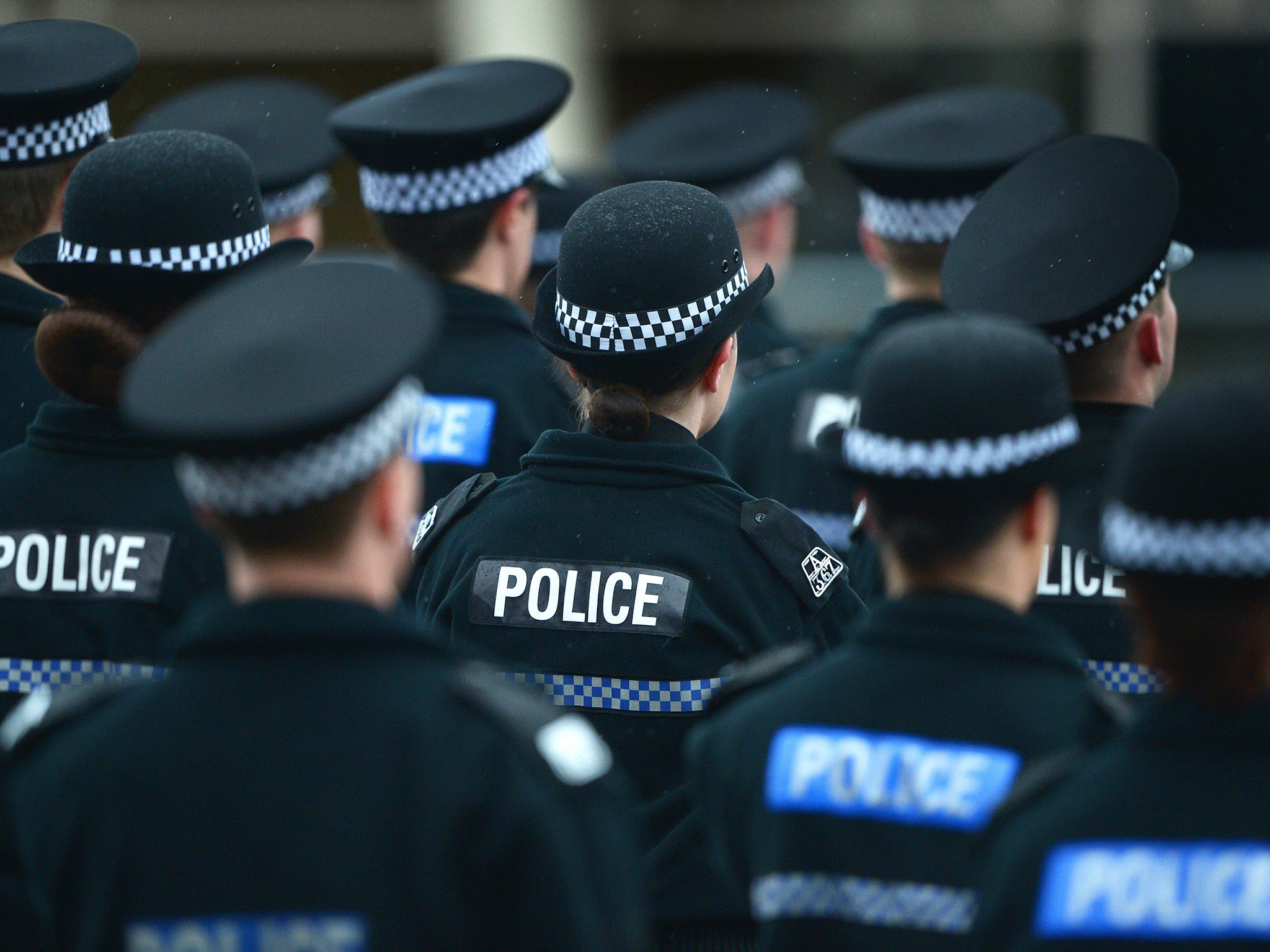
Entering a police academy requires dramatic changes, starting with strict grooming codes. The mandatory police academy haircut serves as a foundational rite of passage, enforcing strict uniformity, safety protocols, and discipline from day one. Understanding these standards helps recruits prepare mentally and physically for the rigorous demands of law enforcement training.
Grooming codes in law enforcement academies aren't arbitrary stylistic choices. They enforce a disciplined, unified team identity while minimizing safety hazards during physical altercations. This deep dive examines the exact regulations, the operational rationale behind them, and how strict hair policies impact recruits transitioning into sworn officers.
Core Grooming Regulations in Police Academies
Law enforcement agencies enforce precise standards for hair length, bulk, and styling to maintain a professional image. While exact specifications vary by state, county, and municipal department, common baselines apply universally across most training installations.
For male cadets, hair standards typically require a clean, conservative, and tapered cut. Hair must remain clear of the ears and collar, preventing any unkempt appearance. Many traditional academies mandate a high-and-tight style or a close fade during the initial weeks to eliminate individual vanity and streamline hygiene under intense physical conditioning.
Female cadets face different parameters designed to balance safety with inclusivity. Hair cannot extend past a certain length on the collar unless secured tightly in a bun, braid, or ponytail that fits comfortably beneath a uniform hat or tactical helmet. Extreme styles, bright unnatural hair colors, and loose strands that obscure vision or offer leverage points to a suspect are strictly prohibited.
Facial Hair and Sideburn Restrictions
Hair regulations extend beyond scalp hair to include sideburns, mustaches, and beards.
- Sideburns must be neatly trimmed, kept to an even width, and prevented from flaring or extending below the lowest part of the ear.
- Mustaches must remain neatly cropped, typically stopping at or just above the corners of the mouth without interfering with the seal of protective breathing apparatuses or gas masks.
- Beards are generally prohibited during academy training for sworn officers due to tactical safety concerns involving chemical agents and tactical gas masks, though specific religious or medical accommodations may undergo formal review.
The Rationale: Why Academies Enforce Strict Hair Standards
Critics often question why modern police agencies maintain such rigid personal appearance rules. The rationale rests on three pillars: tactical safety, psychological conditioning, and public trust.
Tactical Safety in Close Quarters
During defensive tactics training, physical altercations, and arrest scenarios, long hair presents a dangerous vulnerability. A suspect can easily grab loose hair, gaining physical control over the officer. Short or securely managed hair eliminates this handle, protecting cadets during ground fighting and handcuffing drills. Furthermore, unkempt hair can obstruct vision during high-stress operations or impede the proper fit of helmets, ballistic gear, and gas masks.
Building Collective Discipline and Command Presence
Academies transform individual civilians into cohesive tactical units. Stripping away personal styling choices minimizes social stratification based on appearance and forces cadets to focus on shared goals. This enforced uniformity builds immediate group cohesion.
Additionally, strict grooming fosters an authoritative command presence. Law enforcement agencies rely heavily on public perception. An officer with a sharp, uniform appearance projects competence, reliability, and strict adherence to institutional standards.
Real-World Impact on Recruits
The sudden shift to a regulated appearance carries psychological and practical consequences for incoming cadets.
For many recruits, cutting long hair symbolizes a symbolic severing of their civilian identity. This transition can cause brief anxiety or a feeling of vulnerability, but it accelerates psychological assimilation into the law enforcement culture. From a practical standpoint, ultra-short academy haircuts drastically reduce maintenance time during grueling training days that involve early morning PT, defensive tactics, and late-night studying. Cadets spend zero time on personal grooming maintenance, allowing them to focus entirely on academic testing and physical skill development.
Evolving Standards and Legal Adjustments
Modern law enforcement agencies balance traditional discipline with contemporary legal frameworks. Legislation like the CROWN Act explicitly protects hairstyles historically associated with race and texture, such as locs, twists, and braids. Consequently, contemporary academy policies accommodate diverse cultural hair textures while maintaining strict safety, neatness, and hygiene standards.
Frequently Asked Questions
Do female recruits have to completely shave their heads?
No. Female cadets are not required to shave their heads. They are permitted to wear longer hair as long as it is secured safely away from the face and collar, fitting neatly beneath uniform headgear.
What happens if a cadet violates grooming standards?
Minor infractions usually result in corrective administrative actions, extra physical conditioning, or demerits. Repeated non-compliance can lead to disciplinary dismissal from the academy program.
Are religious or medical exceptions permitted?
Yes. Most agencies maintain formal exemption processes for documented medical conditions, such as pseudofolliculitis barbae, or protected religious practices, provided safety equipment can still seal and function properly.
Do these strict haircut rules apply after graduation?
Patrol standards remain strict, though field officers typically enjoy slightly more flexibility regarding hair length and styling compared to the intense, uniform environment enforced inside a paramilitary-style training academy.


