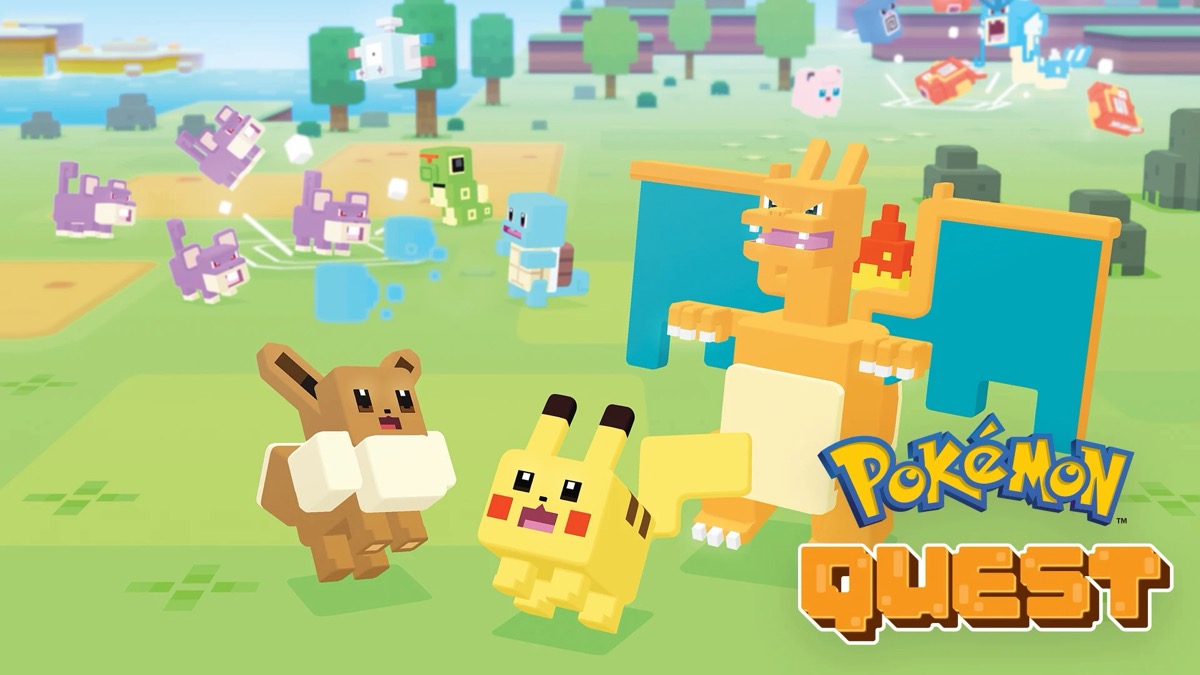
Pokemon games shaped modern entertainment by combining portable role-playing mechanics with cooperative trading long before mobile devices dominated the market. What started as a modest Game Boy release in 1996 grew into a multi-billion-dollar global juggernaut.
The core appeal relies on a simple yet addictive loop: exploring fictional regions, capturing diverse creatures, and battling other trainers. This formula bridges single-player role-playing depth with social interaction, creating a lasting cultural footprint that spans handheld consoles, trading card games, and augmented reality mobile apps.
The Roots of Portable Role-Playing
When Game Freak released Pocket Monsters: Red and Green in Japan, developer Satoshi Tajiri drew inspiration from his childhood hobby of insect collecting. Handheld gaming at the time lacked robust multiplayer options. By introducing the link cable, Nintendo turned isolated screen time into a social exchange. Players had to trade with friends to complete their field guides, known as the Pokédex.
This hardware limitation became the franchise's greatest strength. It forced human connection in an electronic medium.
- The Dual-Release Strategy: Releasing two versions with exclusive monsters encouraged peer communication.
- Turn-Based Combat: Accessible mechanics allowed casual players to grasp type advantages quickly while offering deep competitive strategies for veterans.
- Scalable Exploration: Each generation introduced new maps, expanding the virtual world without alienating long-time fans.
Transition to Augmented Reality and Mobile Devices
Decades after its handheld debut, the franchise expanded beyond dedicated Nintendo hardware. The release of Pokémon GO by Niantic in July 2016 redefined location-based gaming. Instead of sitting indoors, millions of players walked city streets, public parks, and historical landmarks to find virtual creatures superimposed onto the physical world.
This shift proved that nostalgia paired with emerging technology could mobilize an audience on a massive scale. According to the Computer History Museum, the franchise successfully blends role-playing tropes with real-world exploration. Players crossed demographic lines, turning local parks into community hubs.
Economic and Cultural Impact
The economic scale of the franchise dwarfs traditional film and music blockbusters. Merchandise, card games, animated series, and software sales generate billions annually, making it one of the most profitable media properties in history.
Yet, the cultural footprint extends beyond revenue metrics. The franchise influences how developers design community-driven games, proving that shared digital spaces can foster real-world social interaction.
[Handheld Era (1996)] ---> [Card Game Boom (Late 90s)] ---> [Mobile/AR Era (2016)]
Common Misconceptions About the Series
Many casual observers misunderstand how the franchise maintains its longevity.
- It's just for children: While targeted at younger audiences initially, competitive formats feature complex mathematical probabilities, stat building, and deep tactical choices.
- Every game is identical: While the core loop remains consistent, each generational leap introduces mechanics like regional variants, open-world exploration, and streamlined quality-of-life updates.
- The mobile app replaced main series games: Mobile spinoffs operate alongside traditional console releases, serving different player habits rather than cannibalizing the core audience.
Frequently Asked Questions
What was the very first Pokemon game released?
The franchise debuted in Japan in 1996 as Pocket Monsters: Red and Green for the Game Boy system, later localized internationally as Pokémon Red and Pokémon Blue.
How many creatures exist in total across all generations?
As the series progressed through multiple regional generations, the total count surpassed one thousand distinct species.
Why do core console games launch in paired versions?
Releasing two complementary versions encourages the social trading aspect, as certain monsters remain exclusive to one version to force peer cooperation.
Is competitive play officially supported?
Nintendo and The Pokémon Company host global championship circuits featuring official ruleset formats for both video games and the trading card game.



