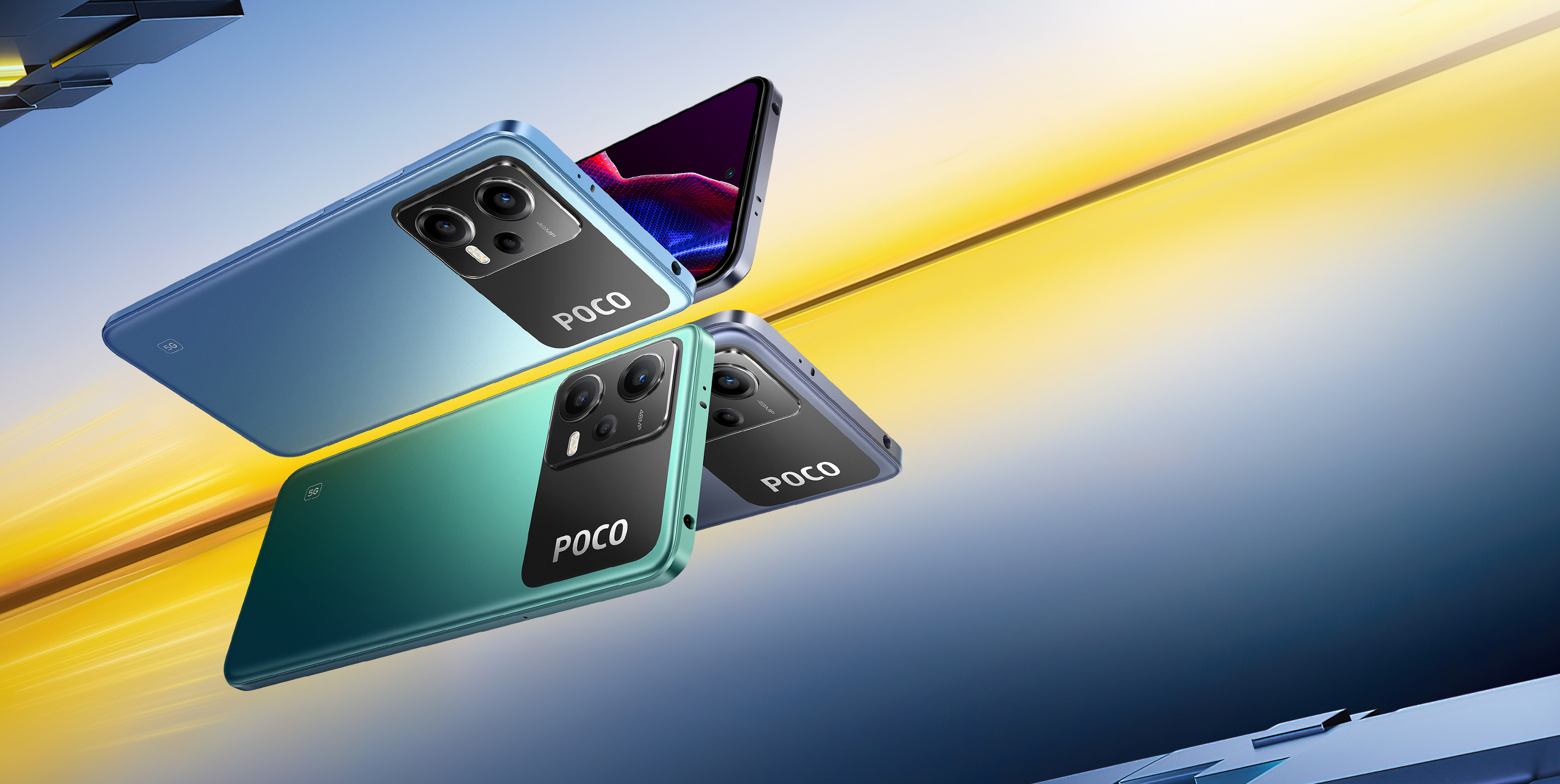
The Poco X5 Pro 5G targets budget-conscious buyers who want near-flagship performance, a vibrant high-refresh-rate screen, and fast charging without paying a thousand dollars. Powered by the Qualcomm Snapdragon 778G processor and featuring a 120Hz AMOLED display, it cuts through everyday tasks and mid-tier gaming with ease. If you're wondering whether this device still holds its ground or if its plastic build and software bloat hold it back, this breakdown covers every specification, performance metric, and trade-off.
While marketing materials push high numbers like the 108MP camera sensor, daily usage tells a more nuanced story. Let's look at how the device performs across display quality, processing power, camera output, and battery endurance to help you decide if it fits your pocket.
Design and Display Quality
At first glance, the Poco X5 Pro leans heavily into a boxy aesthetic with flat edges and a wide camera module spanning the upper back. Weighing just 181 grams and measuring 7.9mm thick, it feels surprisingly light and comfortable during extended handling. The rear panel uses matte plastic, which resists fingerprints well but lacks the premium feel of glass or brushed aluminum. You also get an IP53 rating for splash and dust resistance, alongside a legacy favorite: the 3.5mm headphone jack and an infrared blaster.
Flip the phone over, and the star of the show emerges. The 6.67-inch AMOLED display supports 10-bit color depth, Dolby Vision, and a 120Hz refresh rate. Colors pop with deep blacks and punchy contrast, making media consumption genuinely enjoyable. Outdoor visibility remains strong, as the panel hits high brightness levels automatically under direct sunlight. Protected by Corning Gorilla Glass 5, the screen handles minor scuffs well, though a pre-applied plastic screen protector comes attached out of the box.
Performance and Hardware Capabilities
Under the hood, the Snapdragon 778G 5G chip paired with up to 8GB of LPDDR4X RAM and 256GB of UFS 2.2 storage delivers reliable execution. This processor remains a community favorite for a reason: it balances power efficiency with steady thermal performance. Apps launch instantly, switching between heavy multitasking windows causes no stutter, and the phone stays cool even during twenty-minute gaming sessions.
For mobile gaming enthusiasts, titles like Apex Legends or Call of Duty run comfortably at medium-to-high graphical settings with steady frame rates. It doesn't compete with dedicated gaming flagships, but it vastly outperforms newer budget chips that throttle under pressure.
Camera System Breakdown
The rear camera array houses a primary 108MP sensor, an 8MP ultrawide lens with a 119-degree field of view, and a 20MP or 2MP macro sensor.
- Main Camera: Daylight shots show sharp details, balanced dynamic range, and pleasing colors. However, because the sensor lacks optical image stabilization (OIS), low-light shots require a steady hand to avoid blur.
- Ultrawide Lens: Good for landscape captures, though edges tend to soften in dimmer lighting conditions.
- Video Recording: The inclusion of 4K video at 30fps is a welcome upgrade over previous generations, though electronic image stabilization (EIS) can occasionally create a subtle pulsing effect during rapid pans.
Battery Life and Charging Speed
Battery anxiety vanishes with the 5000mAh cell packed inside. Moderate users easily pull through a full day with roughly seven hours of screen-on time remaining. When energy finally dips low, the bundled 67W fast charger shines. Plugging it in takes the phone from zero to fifty percent in roughly fifteen minutes, reaching a full charge in under 45 minutes.
Software and Interface Quirks
Software remains the most divisive aspect of the user experience. Out of the box, the device runs Android 12 with MIUI 14 for POCO layered on top. While highly customizable and feature-rich, the interface suffers from heavy pre-installed bloatware and occasional promotional notifications. You can manually uninstall or disable most unwanted apps during initial setup, but cleaning up the system takes patience. For official support details and regional software policies, you can check Xiaomi's official portal.
Common Mistakes to Avoid
- Expecting Flagship Low-Light Photography: Buying this phone strictly for night-time videography or professional photography will lead to disappointment due to the lack of OIS.
- Ignoring Bloatware Cleanup: Leaving default notification settings enabled results in constant app suggestions and unwanted pop-ups. Take ten minutes on day one to toggle off recommendations.
- Overlooking Storage Limitations: Because the device lacks a microSD card slot, choose the 256GB variant if you record lots of 4K video or store heavy offline games.
Frequently Asked Questions
Does the Poco X5 Pro support expandable storage?
No, the device does not feature a microSD card slot. You are fixed to whichever internal storage variant you purchase.
Is the phone waterproof?
It carries an IP53 rating, which protects against light dust and vertical water sprays. It is not fully waterproof and should never be submerged.
Does it come with a charger in the box?
Yes, Poco includes a 67W fast charging brick and a USB-C cable inside the retail package.
Can I play heavy games like Genshin Impact?
Yes, but you will need to dial down graphical settings to medium to maintain a smooth, consistent frame rate without thermal throttling.



