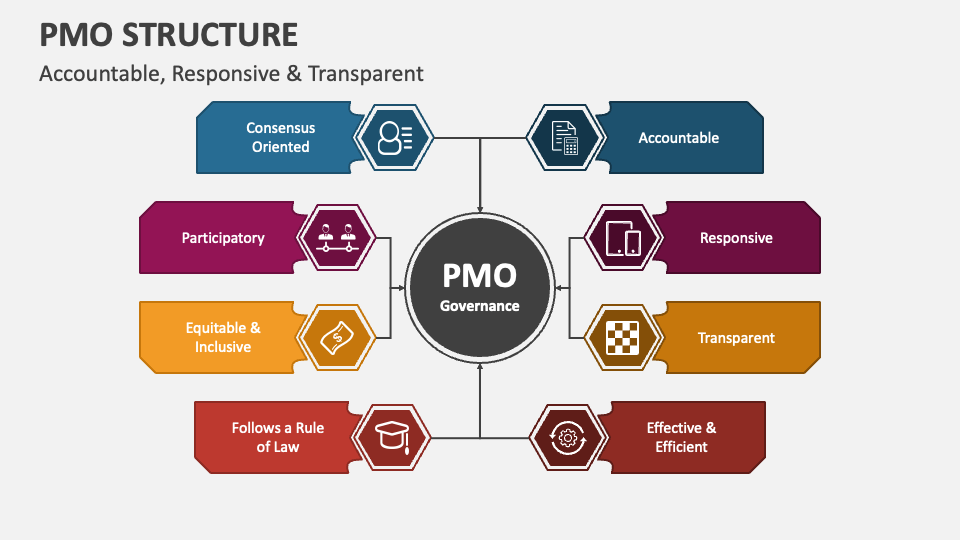
When an organization scales past a dozen concurrent projects, chaos usually follows. Deadlines slip, budgets balloon, and teams pull in opposite directions because nobody has a unified view of the work. This operational friction is precisely why companies establish a project management office, commonly known as a PMO.
A project management office serves as an internal governance and support structure that standardizes project-related governance processes. Instead of letting individual teams manage initiatives in isolated silos, a PMO introduces shared methodologies, resource allocation oversight, and consistent reporting. It bridges the gap between high-level executive strategy and day-to-day tactical execution, ensuring that every dollar spent on a project aligns with broader company objectives.
Understanding the core functions, structural models, and operational impact of a PMO helps organizations transition from reactive firefighting to predictable, scalable growth.
What is a Project Management Office?
At its core, a PMO is a centralized department or group within a business that defines and maintains standards for project management. It acts as the central nervous system for project delivery. Rather than managing every single project directly, a mature office establishes repeatable frameworks, tracks portfolio health, and mentors project managers across departments. To see the bigger picture, check out the detailed report by The New York Times.
Without this centralized oversight, organizations frequently suffer from duplicate efforts. Two separate divisions might purchase different software tools to solve the exact same operational bottleneck, or worse, launch conflicting initiatives that drain company resources. A PMO prevents this waste by evaluating incoming proposals through a strict cost-benefit filter before giving them a green light.
The Shift from Tactical to Strategic
Historically, offices of this nature focused purely on administrative enforcement. They checked timesheets, ensured template compliance, and policed project managers about documentation. That rigid approach earned them a reputation as bureaucratic bottlenecks where innovation went to die.
Modern high-performing offices operate differently. They focus on strategic alignment and value delivery. They evaluate whether a proposed marketing campaign or software migration actually moves the needle for revenue generation or customer retention. If a project no longer serves the strategic vision, the office has the authority to recommend pausing or killing it to reallocate resources toward higher-yield opportunities.
Core Functions of a Modern PMO
To understand how these offices drive value, you have to look at their day-to-day operational responsibilities. They generally manage five primary pillars: governance, resource management, methodology standardization, performance reporting, and professional development.
Governance and Portfolio Management
Governance sounds restrictive, but it really means establishing clear rules of engagement so projects don't descend into guesswork. The office sets up gate reviews—formal checkpoints where a project must prove its viability before moving from the planning phase to execution.
Portfolio management goes hand in hand with governance. Executives rarely need status updates on every single task; they need to know if the entire collection of active projects is on track to deliver expected returns. The PMO aggregates this data into executive dashboards, highlighting financial risks, schedule overruns, and resource bottlenecks before they turn into crises.
Resource Allocation and Capacity Planning
One of the most common reasons projects fail is resource burnout. Star developers or lead designers get assigned to four different high-priority projects simultaneously, resulting in missed deadlines and subpar work quality.
A well-run office maintains a master view of organizational capacity. When a new project request arrives, the office checks team availability to answer a simple question: do we actually have the headcount and hours to pull this off without crushing our staff? If the answer is no, leadership can adjust timelines or hire contractors proactively.
Methodology Standardization
Every team has a preferred way of working. Engineering might love Scrum, marketing might use Kanban, and finance might rely on traditional waterfall schedules. While forcing everyone into a single rigid framework rarely works, a PMO establishes baseline standards for how projects are scoped, budgeted, and tracked.
This standardization ensures that when leadership reviews reports from three different departments, the metrics mean the same thing. It also accelerates onboarding. When a project manager joins a new team, they don't have to learn a completely idiosyncratic system from scratch.
Structural Models of a PMO
Not all offices look or act the same way. The right model depends entirely on an organization's maturity, culture, and industry. Organizations typically choose from three primary structural types:
Supportive PMOs
A supportive office acts primarily as a consulting resource. It provides templates, best practices, repository access, and historical data from past projects. It holds very little authority and doesn't enforce compliance.
This model works exceptionally well for organizations with highly experienced project managers who just need access to standardized tools and institutional knowledge without heavy oversight.
Controlling PMOs
A controlling office exercises moderate authority. It doesn't just offer advice; it requires specific methodologies, mandates the use of particular templates, and audits project compliance regularly.
Companies choose this model when they need to bring consistency to chaotic operations, reduce financial risk, and ensure regulatory compliance across multiple departments.
Directive PMOs
A directive office takes full ownership of project execution. Instead of supporting other departments, the office provides the project managers who run the initiatives directly.
This model is common in construction, aerospace, and large-scale enterprise IT transformations where failure carries massive financial or safety penalties, requiring strict command-and-control management.
Common Pitfalls and Why PMOs Fail
Many organizations rush to establish a project management office hoping for an instant fix to operational chaos, only to shutter it eighteen months later due to low adoption or perceived bureaucracy. Recognizing these common failure modes helps leaders avoid them.
Over-Bureaucracy and Process Bloat
When an office prioritizes paperwork over actual business value, resentment builds fast. If project managers spend more time updating status spreadsheets than managing risks or talking to stakeholders, the system is broken.
To avoid this trap, leaders must ruthlessly audit administrative requirements. Every template, report, and gate review should answer a vital question: does this actively reduce risk or improve delivery speed? If the answer is no, cut it.
Lack of Executive Sponsorship
An office cannot survive as a middle-management initiative. If executive leadership doesn't actively back its authority, department heads will simply ignore its recommendations and bypass its governance gates.
Real success requires a C-suite champion—often a Chief Operating Officer or Chief Information Officer—who publicly supports the office's mandate and enforces portfolio decisions during executive meetings.
Failing to Demonstrate Value Early
Change management takes time, but stakeholders expect results. If an office spends its first year locked behind closed doors writing massive procedure manuals without delivering quick wins, stakeholders will write it off as useless overhead.
Smart offices start by solving one or two acute pain points—such as untangling a notoriously delayed software rollout or cleaning up resource allocation chaos—before expanding their mandate enterprise-wide.
Setting Up a PMO: A Step-by-Step Approach
Launching a project management office requires careful planning and a phased rollout. Skipping straight to a fully directive model usually triggers fierce organizational resistance.
1. Assess Current Maturity
Before writing a single policy document, evaluate how your organization currently handles projects. Are people tracking tasks in random spreadsheets, or do you have seasoned practitioners using formal methodologies? Your starting structure must match your current maturity level.
2. Define the Charter and Scope
Draft a clear charter outlining what the office will do, what authority it holds, and which metrics define its success. Keep the initial scope manageable. Focus on high-impact areas like project intake and resource scheduling rather than trying to fix every operational flaw on day one.
3. Secure Buy-In and Communicate
Meet with department heads and key stakeholders early. Listen to their frustrations with past projects and explain how the new office will make their lives easier, not harder. Clear communication reduces fear of increased bureaucracy.
4. Hire or Appoint the Right Leadership
The success of the initiative hinges on its director. You need someone who balances diplomatic stakeholder management with operational firmness. They must be able to speak the language of software developers, financial analysts, and executive board members with equal fluency.
5. Measure and Iterate
Track key performance indicators from the start. Are projects finishing closer to their original budgets? Is resource utilization stabilizing? Use these metrics to refine your approach continuously and prove return on investment to leadership.
Frequently Asked Questions
How long does it take for a PMO to show ROI?
Most organizations see initial operational improvements within six to nine months, particularly around resource visibility and project intake control. Full financial return on investment typically materializes within twelve to eighteen months as fewer projects fail or run significantly over budget.
Does a small business need a project management office?
Usually, no. Small businesses with fewer than fifty employees and a handful of concurrent projects benefit more from lightweight, agile coordination tools rather than a formal department. A PMO becomes valuable when organizational complexity prevents leadership from seeing where time and money are going.
What is the difference between a project manager and a PMO?
A project manager is responsible for delivering a specific, individual project on time, within scope, and under budget. A project management office is an organizational entity that sets standards, manages the broader portfolio of multiple projects, and supports all project managers across the company.
Can an office operate using Agile methodologies?
Yes. Modern project offices frequently support Agile, Scrum, and hybrid environments. Instead of enforcing rigid waterfall gates, an agile-friendly office focuses on value stream mapping, coaching teams on backlog refinement, and tracking high-level product increments rather than granular task schedules.