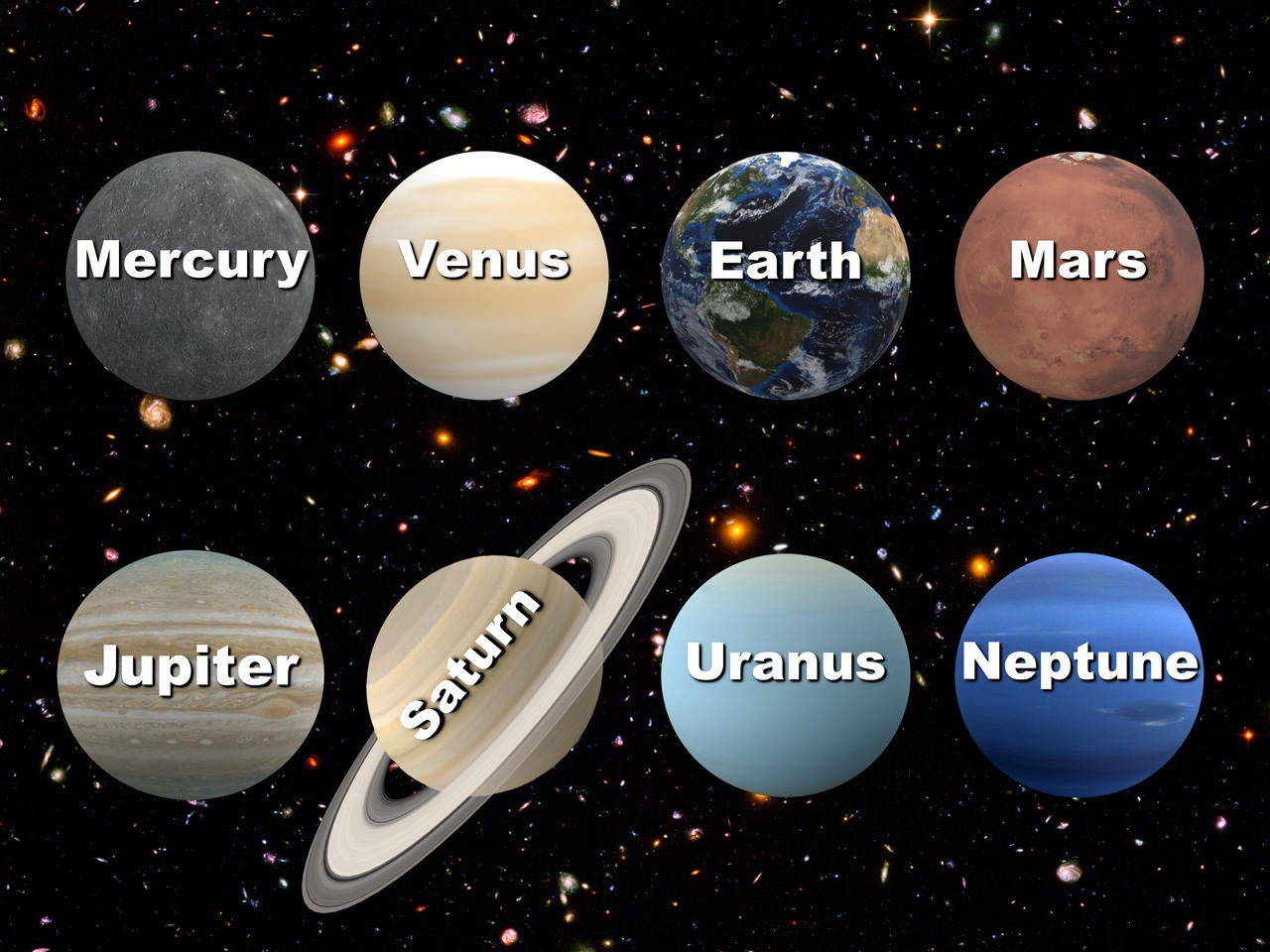
Planets in retrograde don't actually move backward in space. Instead, this celestial phenomenon is a straightforward optical illusion caused by differences in orbital speeds between Earth and outer or inner planets. As Earth passes a slower-moving planet or faster-moving planets lap us, that target body temporarily appears to drift in reverse against the backdrop of distant stars. Far from being a cosmic emergency, a retrograde cycle acts as a predictable seasonal rhythm, shifting focus from external output toward internal review, processing, and structural adjustments.
Understanding how these apparent motions function requires looking past internet panic and examining both the mechanical reality and traditional astrological frameworks. Every planet except the Sun and Moon undergoes this cycle on its own schedule, ranging from brief three-week windows to multi-month passages. By breaking down the specific mechanics, timelines, and practical strategies for handling these periods, you can navigate any planetary shift with clarity rather than anxiety.
The Mechanics of Retrograde Motion
The illusion of backward motion stems from perspective alone. Imagine driving down a highway at seventy miles per hour and passing a transport truck moving at sixty miles per hour. As you pull alongside and overtake the truck, it momentarily looks like it is rolling backward relative to your window view, even though both vehicles are driving forward.
Orbital mechanics dictate this exact effect across the solar system: BBC has analyzed this important subject in extensive detail.
- Earth's perspective: Because observers view the cosmos from a moving platform (Earth), our changing angle distorts the projected path of other bodies.
- Station points: Before a planet reverses direction, it appears to stand completely still in the sky—a moment known as a station. Astrologers view these station points as peak zones of intensity where the planet's archetypal energy concentrates.
- The three-pass transit: A planet covers the same zodiac degree three separate times: once moving forward (pre-retrograde shadow), once moving backward (retrograde proper), and once moving forward again (post-retrograde shadow).
This tri-pass structure explains why recurring themes often surface weeks before a retrograde officially begins and linger long after it ends.
Major Planetary Retrograde Timelines
Each celestial body operates on its own predictable orbital clock. Knowing when these cycles occur helps you plan major projects around natural waves of acceleration and deceleration.
- Mercury: Occurs three to four times a year for roughly three weeks at a time, focusing heavily on communication, logistics, travel, and contracts.
- Venus: Happens roughly every eighteen months for about forty days, pulling focus toward personal values, financial choices, and relationship dynamics.
- Mars: Arrives every twenty-six months for two to three months, affecting how you expend energy, handle conflict, and assert boundaries.
- Outer Planets (Jupiter, Saturn, Uranus, Neptune, Pluto): Spend between four to five months retrograde every single year, turning their themes toward collective structures, belief systems, and long-term personal evolution. Because these outer planets move so slowly, their retrogrades affect entire generations or long-term personal developmental houses rather than daily scheduling.
For a deeper look at orbital mechanics and tracking planetary coordinates, check out the NASA Solar System Exploration Guide.
Practical Ways to Navigate Retrograde Periods
Instead of hitting pause on your entire life, treat these windows as built-in editing phases. Just as a writer drafts a manuscript before sending it to an editor, retrogrades provide the cosmic breathing room needed to proofread your current routines.
- Review instead of restart: Use these phases to fix broken code, finish pending paperwork, repair relationships, or clear out old clutter. Starting entirely brand-new ventures can sometimes lead to unexpected blind spots because your attention is naturally pulled backward.
- Build schedule buffers: If you are traveling or launching a complex project during a Mercury or Venus shift, add extra time for transit delays, miscommunications, or technical glitches.
- Prioritize internal rest: When outer planets like Saturn or Pluto turn backward, external structures often feel heavy or restrictive. Accept that certain goals require behind-the-scenes cultivation rather than aggressive pushing.
For scientific context on how astronomers calculate these visual anomalies, read the U.S. Naval Observatory Data Services.
Common Mistakes to Avoid
Misconceptions about planetary retrogrades often create unnecessary friction. Avoiding these pitfalls keeps your perspective grounded.
- Catastrophizing routine mishaps: Blaming every dropped coffee mug or late email entirely on astrology ignores normal human error. Treat technical hiccups as practical reminders to slow down, not as proof of a curse.
- Paralyzing your decision-making: You don't need to quit your job, cancel weddings, or avoid signing a lease just because a planet is spinning backward. Use common sense alongside your awareness of the cycle.
- Ignoring your natal chart: If you were born during a retrograde period, that planet's energy is naturally internalized for you. People with natal retrogrades often process information or express drive differently than their peers, which is a unique strength rather than a defect.
Frequently Asked Questions
Do planets actually reverse their orbit in space?
No. Planets continue moving forward in their regular elliptical orbits around the Sun at all times. Retrograde motion is strictly a visual perspective shift created by our moving viewpoint on Earth.
Are the Sun and Moon ever retrograde?
Never. Because Earth orbits the Sun and the Moon orbits Earth, neither body ever creates the visual passing effect required for apparent retrograde motion.
Why do some people experience retrogrades more intensely than others?
Intensity depends heavily on which house or sensitive point in your personal birth chart the retrograde planet is activating. If a transiting planet forms a direct angle with your natal placements, you will feel the cycle much more sharply than someone else might.
Is it safe to sign contracts during a Mercury retrograde?
Yes, provided you read the fine print carefully. Contracts signed during these phases aren't automatically doomed, but they often require extra revisions or closer attention to hidden details due to common communication lapses.



