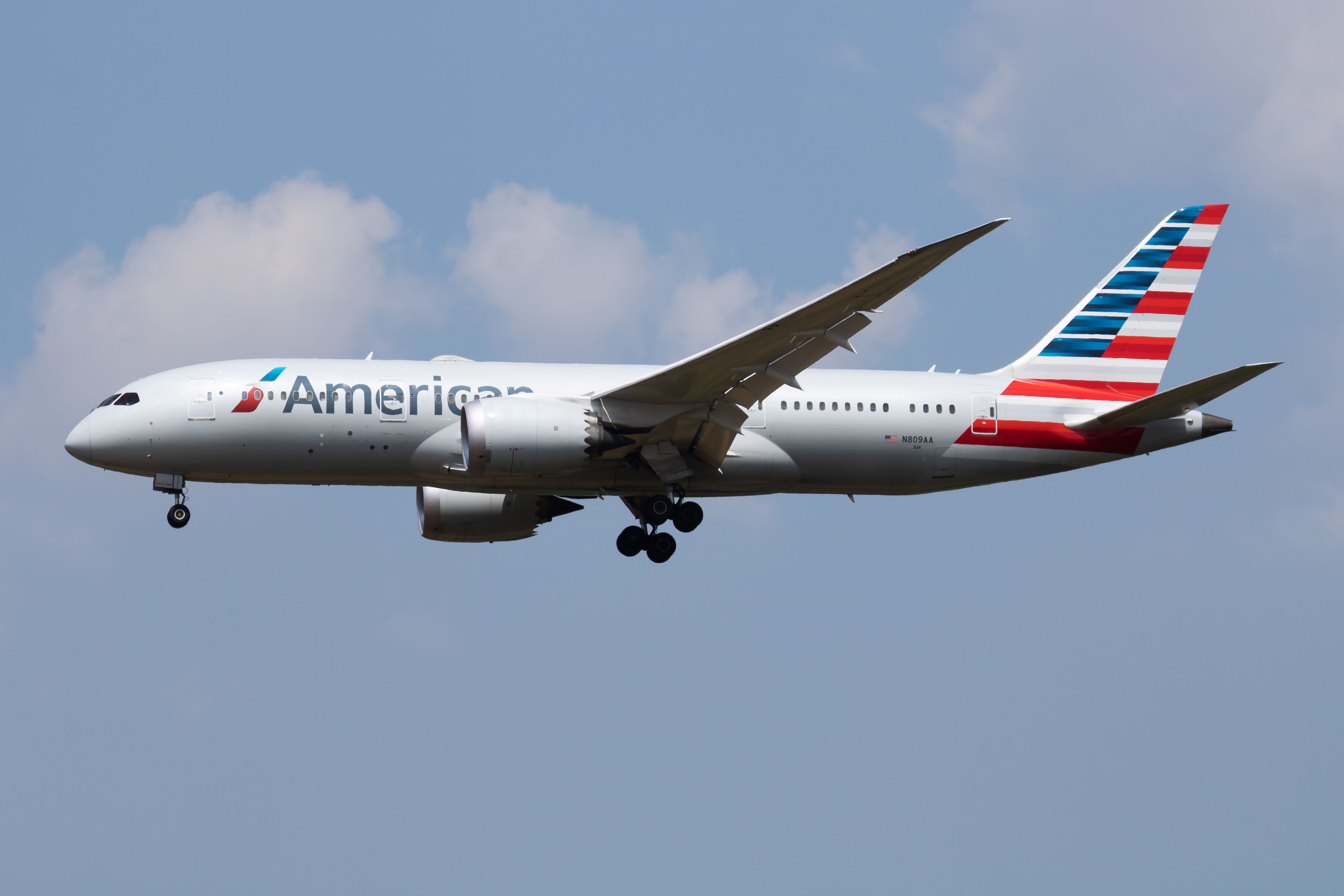
Monitoring a flight's progression from the terminal gate to rotation requires understanding a complex stack of ground sensors, satellite links, and predictive algorithms. When you check a flight status app, you aren't just seeing a simple update; you are viewing a live synthesis of transponder signals and air traffic control data feeds.
Modern aviation tracking relies heavily on Automatic Dependent Surveillance-Broadcast (ADS-B), a system where aircraft constantly broadcast their precise GPS position, altitude, and velocity. Unlike older secondary radar setups that relied on ground stations pinging the aircraft, ADS-B puts the plane in the active broadcasting role. This shift has turned global airspace into a transparent, publicly observable network where delays can be identified minutes or even hours before departure.
The Journey to Departure: Operational Milestones
Before a commercial jet ever leaves the ground, its status transitions through several distinct operational milestones. Recognizing these phases helps explain why a flight might show as "delayed" long before it pushes back from the gate.
- At the Gate: The aircraft is parked while passengers board, baggage is loaded, and final pre-flight checks are completed. Ground crew members verify weight and balance calculations.
- Pushback and Tow: A tug disconnects the aircraft from the jet bridge and pushes it backward. Engines are typically started during or immediately after this phase.
- Taxi Out: The aircraft moves under its own power toward the assigned departure runway. Congestion, de-icing requirements, or queue positioning at busy hubs often cause delays during this phase.
- Line Up and Wait: Air traffic control clears the aircraft onto the active runway, where it holds briefly for spacing or final clearance.
- Takeoff Roll and Rotation: The pilot advances throttles to takeoff power. The moment the nose gear lifts off the pavement—known as rotation—marks the official transition from ground status to airborne.
Core Technologies Powering Real-Time Trackers
The consumer-facing flight trackers you use on your phone rely on a multi-tiered architecture that aggregates raw signals and translates them into readable maps.
ADS-B Transponders and Ground Networks
Every commercial aircraft carries an ADS-B transponder operating on 1090 MHz or 978 MHz frequencies. These units transmit identification data, barometric altitude, and GPS coordinates multiple times per second. A vast network of proprietary and volunteer-run ground receivers captures these radio signals, feeding them into central processing hubs managed by platforms like FlightAware and Flightradar24.
Satellite-Based Augmentation
Ground-based receivers have limited range over oceans and remote wilderness areas. To close these gaps, space-based ADS-B receivers mounted on low-Earth orbit satellites capture aircraft transmissions globally. This ensures continuous tracking over the Atlantic, Pacific, and polar routes where traditional radar is nonexistent.
Air Traffic Control Integration
Public trackers supplement raw transponder data with feeds from national aviation authorities, such as the Federal Aviation Administration. These feeds include official flight plans, slot allocations, and ground stop advisories issued during severe weather events or heavy congestion.
Why Flights Get Delayed: The Anatomy of Tarmac Hold-Ups
Delays rarely happen in isolation. A domino effect often occurs when an aircraft's inbound leg is held up hours earlier.
- Air Traffic Flow Management (ATFM): When destination airports experience high traffic volumes or reduced capacity due to low visibility, controllers implement ground delay programs. Planes are held at their departure gates to save fuel rather than circling in crowded airspace.
- Late-Arriving Crews and Equipment: Commercial scheduling depends on tight asset utilization. If a morning flight faces maintenance checks or crew duty-time limits, every subsequent leg scheduled for that specific airframe inherits the delay.
- Weather Constraints: Thunderstorms, high crosswinds, and winter precipitation require adjusted departure and arrival intervals. Ground crews also halt operations temporarily when lightning strikes within a specific radius of the ramp.
Common Mistakes When Tracking Departures
Relying solely on airline notifications or third-party apps without understanding their data sources can lead to confusion at the airport.
- Ignoring the Inbound Aircraft: If your departing flight is showing on time, but the physical plane assigned to fly that route is still stuck three states away, a last-minute delay is likely. Always check the registration number of the incoming aircraft.
- Confusing Estimated and Scheduled Times: Scheduled times reflect the original airline timetable. Estimated times incorporate current taxi queues, wind data, and air traffic control restrictions. Trust the estimate once pushback has occurred.
- Overlooking Airport-Specific Queue Rules: Major hubs like Chicago O'Hare or London Heathrow have complex departure queues. A flight can show "taxiing" for 40 minutes while waiting for its turn in a multi-airline queue.
Frequently Asked Questions
What triggers an official flight status change from scheduled to delayed?
Airlines and tracking systems typically flag a flight as delayed when the estimated departure time slips more than 15 minutes past the published schedule. This threshold accounts for normal gate turnover variations.
Why do some planes disappear from real-time tracking maps?
Aircraft may temporarily vanish when flying over remote oceanic regions with poor satellite coverage, or when flying at very low altitudes where terrain blocks line-of-sight signals to ground receivers. Military and certain government flights also block public tracking identifiers.
How accurate are predicted arrival times before a flight takes off?
Pre-departure arrival estimates are calculated using scheduled block times and historical route averages. Once the aircraft reaches cruising altitude, algorithms dynamically update the arrival time based on actual wind speeds, routing shortcuts, and real-time descent clearances.
Can severe weather wipe out all tracking data for a specific region?
While heavy storms affect radio propagation locally, they rarely stop tracking entirely. Space-based ADS-B receivers are immune to ground-level weather disruptions, maintaining continuous position updates even during severe localized weather events.


