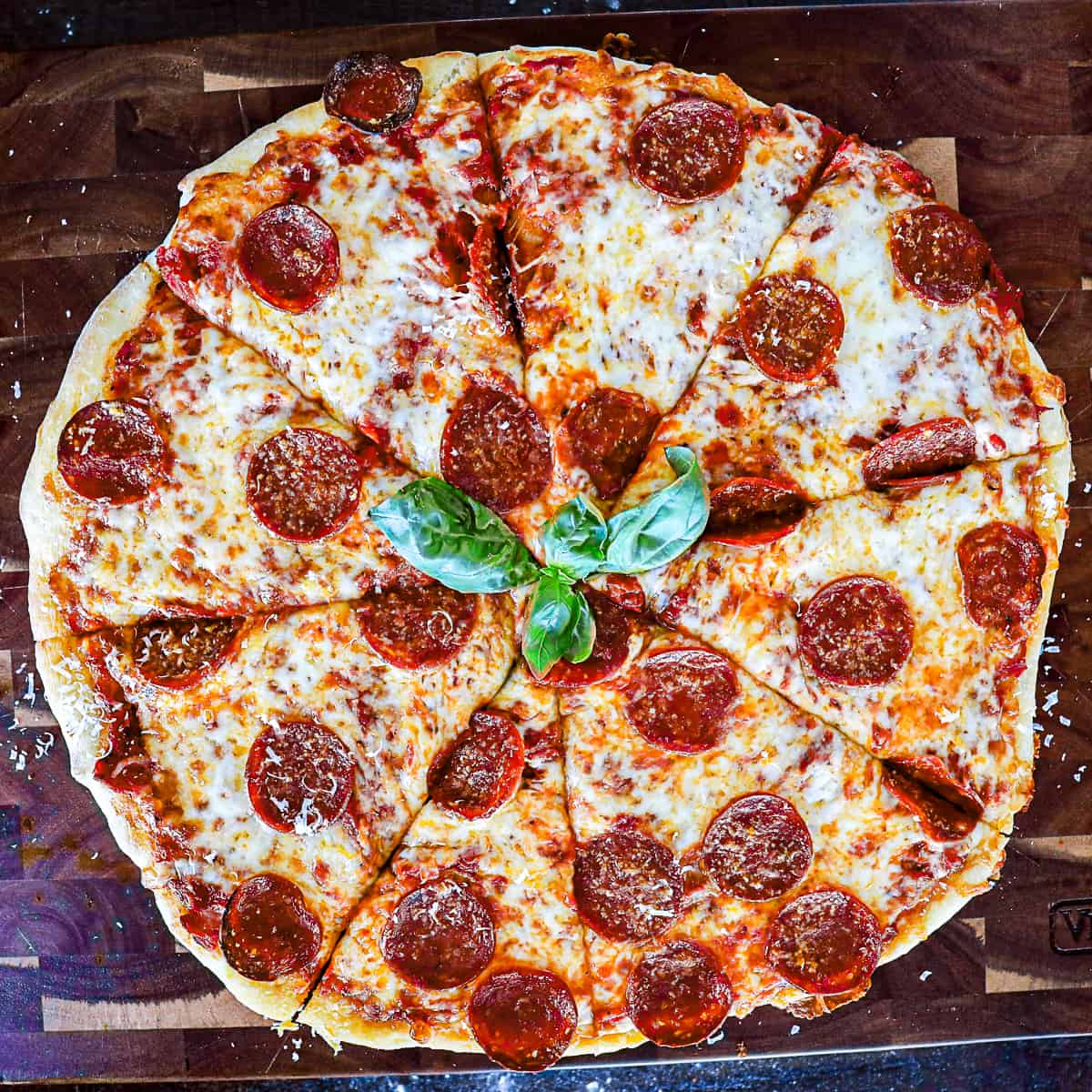
Navigating fast food menus when you're trying to watch your health feels like walking through a minefield. You want a slice of pizza, but you also want to know what it's actually doing to your body. Pizza Hut nutrition facts often reveal a tricky mix of high sodium, heavy fats, and hidden calorie spikes that catch diners off guard. Let's break down the actual numbers behind your favorite menu items and look at how you can enjoy them without derailing your personal health goals.
Understanding what goes into your meal doesn't mean you have to give up takeout entirely. It's about knowing portion sizes, crust differences, and toppings that turn a light meal into a calorie bomb. We'll look at the real breakdown of slices, sides, and smarter ordering tactics that keep your diet on track.
The Real Breakdown of Pizza Hut Crusts and Calories
Crust style dictates a massive chunk of your meal's nutritional profile. A thin crust pizza has significantly fewer calories and carbohydrates than a traditional pan or stuffed crust option, but many people don't factor in how quickly those slices add up.
A single slice of a medium Pan Crust Pepperoni pizza usually carries around 250 to 300 calories, depending on the exact build. Multiply that by three or four slices—which is a common sitting—and you're looking at nearly a thousand calories from just the main course. Meanwhile, a Thin 'N Crispy slice cuts those numbers down considerably because the dough uses less flour and oil during preparation.
- Pan Crust: Higher in total fat and calories due to the pan-frying process used to get that crispy bottom.
- Thin 'N Crispy: The lowest calorie and carbohydrate option per slice on the standard menu.
- Stuffed Crust: Adds extra cheese and fats directly into the rim, spiking sodium levels and saturated fat counts.
- Hand Tossed: A moderate middle ground that balances dough density with standard baking methods.
If you're tracking macros, paying attention to the crust type is your first line of defense. Swapping a pan crust for a thin crust saves you hundreds of empty calories without sacrificing the cheese and sauce experience.
Sodium, Saturated Fats, and Hidden Pitfalls
Calories are only part of the story. Fast food relies heavily on salt and preservatives to maintain flavor across national supply chains. A single serving of popular meat toppings like sausage, pepperoni, and bacon adds massive amounts of sodium and saturated fat to your plate.
The American Heart Association recommends keeping daily sodium intake under 2,300 milligrams, with an ideal limit of 1,500 milligrams for most adults. Just two or three slices of a loaded meat pizza can easily swallow up over half of that daily recommended allowance.
- Meats: Pepperoni, ham, and Italian sausage drive up sodium and saturated fat rapidly.
- Cheeses: Extra cheese adds rich flavor, but it also increases your dairy fat intake.
- Sauces: Commercial tomato sauces often contain hidden added sugars to balance the natural acidity of the tomatoes.
When you're reviewing Pizza Hut Nutrition data online before ordering, pay close attention to the sodium column. It's often the most shocking metric for diners who assume pizza is just flour and tomatoes.
Smart Swaps for a Balanced Order
You don't have to order a plain salad when your friends want pizza. Making a few strategic adjustments to your order transforms a heavy, sluggish meal into something that fits neatly into your weekly routine.
Start by doubling down on vegetable toppings. Mushrooms, green peppers, onions, and tomatoes add fiber, volume, and essential micronutrients without adding heavy calories. Pair your pizza with a side garden salad, making sure to use dressing sparingly on the side rather than drenching the greens.
Another effective tactic is portion control combined with protein pairing. Eat a small, protein-rich snack—like a hard-boiled egg or a handful of almonds—about an hour before your meal. This curbs extreme hunger, making it much easier to stop at two slices of thin-crust pizza instead of polishing off half a large pan pizza.
Frequently Asked Questions
Which Pizza Hut crust has the fewest calories?
The Thin 'N Crispy crust has the lowest calorie and carbohydrate count per slice compared to Pan, Hand Tossed, or Stuffed Crust options.
How much sodium is in an average slice of pepperoni pizza?
Depending on the crust and thickness, a standard pepperoni slice typically contains between 400 and 600 milligrams of sodium, which adds up fast if you eat multiple slices.
Can I find exact nutrition facts for custom pizzas?
Yes, major chains provide interactive tools on their official websites where you can select specific crust sizes, toppings, and sauces to calculate the exact nutritional breakdown.
Are vegetable toppings actually healthy on fast food pizza?
Yes, vegetables like peppers, onions, and mushrooms add fiber and vitamins, though they won't cancel out the high sodium content found in the crust and cheese.



