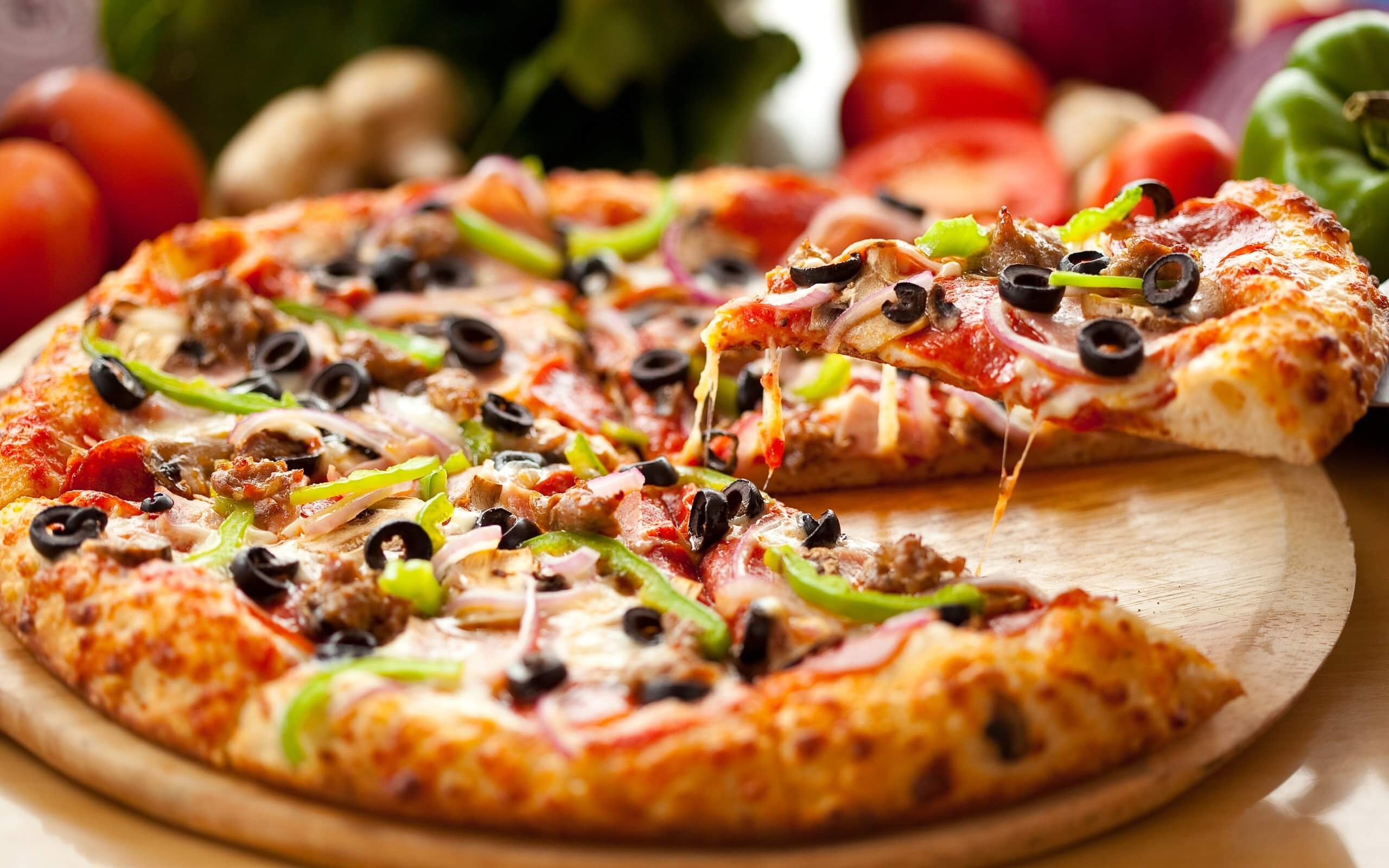
Mastering pizza baking artistry requires an intimate understanding of flour hydration, thermal dynamics, and fermentation science. Whether you're working with a home oven or a high-temperature stone hearth, creating exceptional pizza goes far beyond tossing dough—it's a precise craft governed by chemistry and technique.
Great pizza starts with high-protein flour, precise hydration ratios, and a slow cold fermentation process that develops complex flavors. While commercial operations prioritize speed, true artisan baking relies on patience, heat management, and the right balance of moisture in both the dough and toppings.
The Foundation of Great Crust: Flour and Hydration
The crust dictates the success of any pizza. Commercial bread flours work well, but Italian tipo 00 flour remains the gold standard for high-heat baking due to its ultra-fine grind and high protein content. Protein creates the gluten network necessary to trap fermentation gases, yielding an airy, chewy cornicione (crust edge).
Hydration—the ratio of water weight to flour weight—controls the crumb structure. A 60% hydration dough handles easily and bakes up crisp, while a 75% hydration dough creates large, irregular air pockets but demands advanced handling skills.
- Weigh ingredients by grams: Volume measurements like cups introduce too much variance in flour density.
- Control water temperature: Use cool water in summer and lukewarm water in winter to stabilize initial yeast activity.
- Salt timing: Add salt after flour and water have hydrated for 20 minutes (autolyse phase) to maximize gluten strength.
For detailed guidelines on flour properties and wheat milling standards, consult the USDA Agricultural Marketing Service.
Fermentation Science: Why Time Matters
Flavor development happens during fermentation. Yeast consumes sugars in the dough, releasing carbon dioxide and alcohol, which create the characteristic aroma and structure.
Short room-temperature rises produce flat, one-dimensional crusts. A 24 to 72-hour cold fermentation in a refrigerator slows yeast activity while allowing enzymes to break down complex starches into simple sugars. This extended process deepens flavor and improves digestibility.
Cold Fermentation Steps
- Mix flour, water, yeast, and salt until a cohesive dough forms.
- Let the dough rest at room temperature for two hours to initiate fermentation.
- Divide into individual dough balls, place them in sealed containers, and transfer them to the refrigerator for 24 to 48 hours.
- Remove dough balls from the refrigerator two hours before stretching to relax the gluten network.
To explore the biological mechanisms of yeast and fermentation chemistry, visit the National Institute of Food and Agriculture.
Managing Heat: Ovens, Stones, and Steels
Thermal transfer is the single biggest bottleneck for home pizza makers. Pizzerias use wood-fired or gas deck ovens reaching 900 degrees Fahrenheit, baking a pie in 90 seconds. Home ovens max out around 550 degrees Fahrenheit, requiring a workaround to simulate high-heat conditions.
Baking stones and baking steels absorb and radiate thermal energy directly into the dough base. Steel conducts heat much faster than stone, making it superior for home ovens operating below 600 degrees. Preheat your steel or stone on the highest oven rack for at least 60 minutes before launching your pizza.
- Stone vs. Steel: Baking stones retain heat evenly, while baking steels transfer heat aggressively for a darker bottom crust.
- Broiler trick: Turn on the oven broiler during the final 90 seconds of baking to char the top cornicione.
- Launch mechanics: Dust your peel with semolina flour or cornmeal so the stretched dough slides freely onto the hot steel.
Sauce and Topping Balance
Overloading a pizza with heavy sauce and wet mozzarella creates a soggy center that prevents the crust from cooking through. Balance is essential for a clean bite.
San Marzano tomatoes, grown in volcanic soil near Mount Vesuvius, offer natural sweetness and low acidity. Crush them by hand with a pinch of sea salt rather than blending them, which can turn the sauce bitter and watery.
- Sauce quantity: Use no more than three to four tablespoons of sauce per 12-inch pie.
- Cheese moisture: Drain fresh mozzarella balls on paper towels for an hour before slicing to remove excess whey.
- Greens and fresh herbs: Add delicate ingredients like basil leaves after the pizza exits the oven to prevent burning.
Common Pizza Baking Mistakes
Even experienced home cooks encounter pitfalls that compromise their final product. Avoiding these errors guarantees a crisp, flavorful crust every time.
- Rushing the dough stretch: Cold dough tears easily. Let it warm up fully on the counter before shaping.
- Using too much flour on the peel: Excess flour burns on the hot steel, creating a bitter, acrid taste.
- Skipping the preheat: Launching a pizza onto a lukewarm stone guarantees a pale, gummy crust.
- Overcrowding the oven: Cooking two pizzas at once drops ambient oven temperature and stalls the bake.
Frequently Asked Questions
Why does my pizza dough tear when I try to stretch it?
Dough tears when the gluten is too tight or too cold. If the dough resists stretching or springs back into a small circle, cover it with a damp towel and let it rest for 15 minutes to relax the gluten strands.
Can I freeze pizza dough for later use?
Yes. Freeze individual dough balls immediately after the initial room-temperature bulk rise or right after dividing them into portions. Thaw them overnight in the refrigerator before bringing them to room temperature to proof.
What is the best flour substitute if I can't find tipo 00?
High-protein bread flour works as an excellent substitute. It has a higher gluten content than all-purpose flour, which helps maintain structural integrity under high heat.
How do I prevent my pizza from sticking to the peel?
Dust your wooden or metal peel liberally with semolina flour or coarse cornmeal. Shake the peel gently back and forth before launching; if the unbaked pie slides freely, it's ready to transfer to the oven.



