Introduction to the Phenomenon
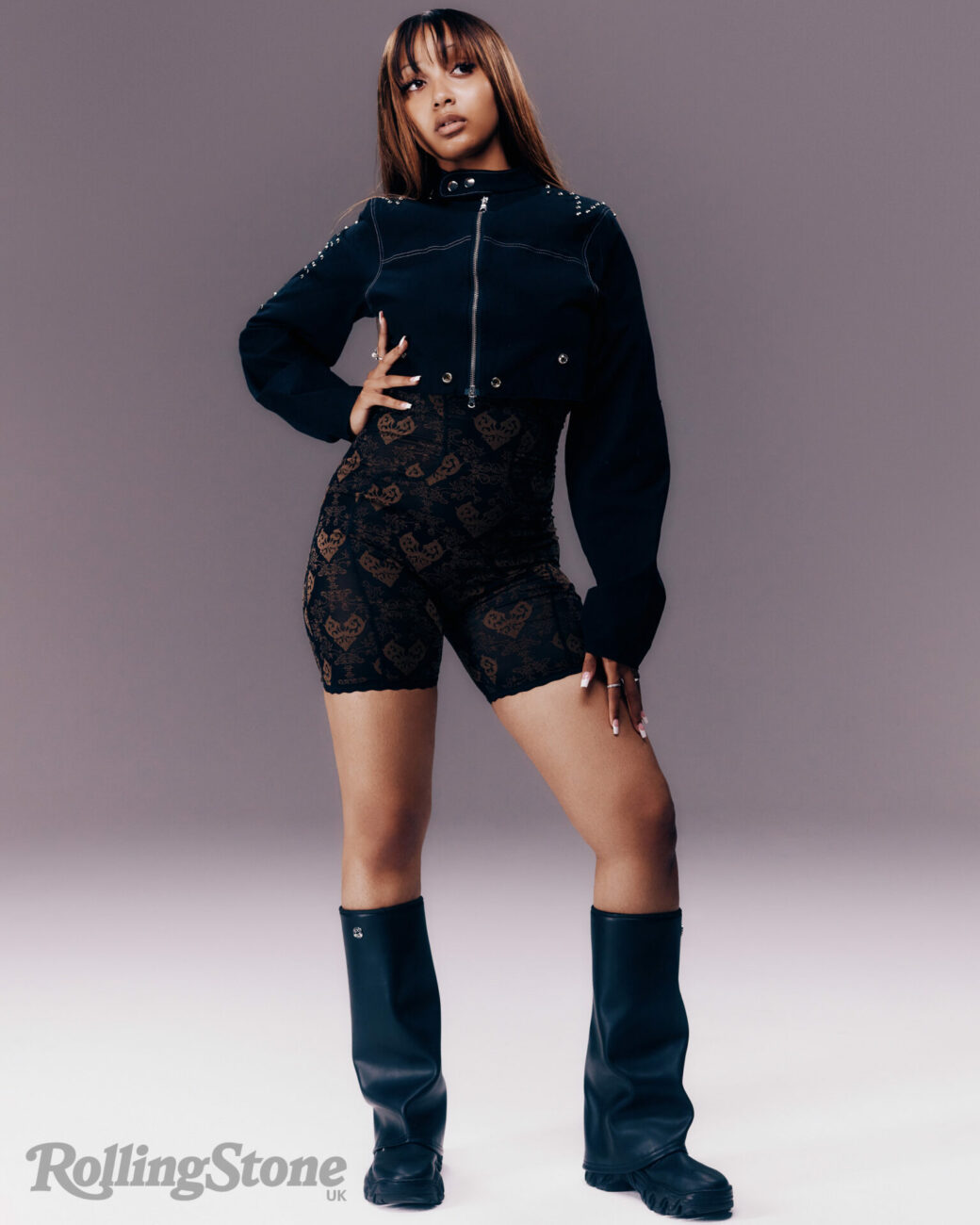
PinkPantheress carved out a distinctive lane in modern electronic music by fusing nostalgic UK garage, drum and bass rhythms with whisper-soft pop melodies. Rising swiftly from bedroom production sessions to global streaming dominance, her trajectory highlights how digital platforms reshape modern artistry. Instead of relying on traditional major-label artist development cycles, she built her audience through short-form clips, proving that restraint and micro-songs can command stadium-sized attention.
Understanding her impact requires looking past internet speculation and examining how independent digital creators rewrite industry standards. Her signature sound relies on high-tempo, nostalgic breakbeats paired with melancholic lyricism, creating an addictive contrast that resonates across generations.
The Genesis of a Bedroom Producer
Long before landing major chart placements, the British singer-songwriter recorded tracks inside her university dorm room using GarageBand and a modest USB microphone. Rather than chasing polished studio perfection, she embraced raw, lo-fi aesthetics that felt intimate and immediate.
Her early workflow involved sampling classic 90s dance tracks—ranging from Daft Punk classics to underground jungle records—and layering them with delicate vocal harmonies. This approach minimized production overhead while maximizing emotional resonance. Key elements of her early production style include:
- Priceless Nostalgia: Utilizing well-known samples from vintage house and garage anthems to trigger immediate emotional familiarity.
- Micro-Song Structures: Keeping tracks under two and a half minutes to match the cadence of modern attention spans without sacrificing narrative depth.
- Whisper Vocals: Employing understated, conversational vocal delivery that cuts through dense rhythmic sub-bass.
Disrupting Traditional Industry Timelines
Most breakout artists spend years grinding through local gig circuits before securing label interest. PinkPantheress bypassed this conventional pipeline entirely. By uploading fifteen-second snippets of work-in-progress tracks to TikTok in 2021, she allowed the algorithm to test listener appetite in real time.
When snippets like Break It Off and Pain went viral, organic demand forced labels to respond to the audience rather than manufactured hype. This shift inverted the power dynamic between artists and record executives. Artists no longer needed an established booking agent to prove commercial viability; raw listener retention metrics on social feeds did the heavy lifting.
"I didn't really have the resources or the time to dive deep into traditional music education, so I went down the route of buying accessible tools, watching internet tutorials, and figuring things out day by day."
This DIY ethos democratized electronic music production. It proved that complex analog mixing desks and expensive rehearsal spaces aren't mandatory prerequisites for creating chart-topping electronic music.
Navigating Scrutiny and Artistic Credibility
Rapid commercial success inevitably invites critique. Traditionalists within electronic music circles occasionally dismiss bedroom producers who rely heavily on software loops and digital manipulation rather than live instrumentation. Critics have questioned whether sample-heavy arrangements represent genuine musicianship.
However, this debate misunderstands the core tradition of electronic music production. From hip-hop sample-flippers to early Detroit techno pioneers, electronic genres have always thrived on recontextualizing existing audio artifacts. PinkPantheress defends her process not as a shortcut, but as a deliberate artistic medium. As digital audio workstations continue to evolve, the boundary between consumer software and professional studio gear blurs further, making execution and curation just as vital as raw instrumental skill.
Frequently Asked Questions
What genre of music does PinkPantheress make?
She primarily creates alternative pop infused with UK garage, drum and bass, 2000s R and B, and hyperpop influences. Her tracks are defined by fast breakbeats paired with slow, melodic vocal hooks.
How did PinkPantheress get famous?
She gained traction in 2021 by posting short, self-produced song snippets on TikTok. Several of these clips went viral, leading to an immediate record deal with Parlophone and Republic Records.
Why are her songs so short?
Most of her tracks run between one and a half to two and a half minutes long. This concise structure stems from her bedroom-producer origins, focusing purely on catchy hooks and memorable refrains without padded instrumental intros or extended outros.
Does she produce her own music entirely?
Yes, she began her career writing and producing her tracks independently using digital audio workstations. While she now collaborates with major producers like Skrillex and Kaytranada, she maintains direct creative control over her writing and sonic direction.



