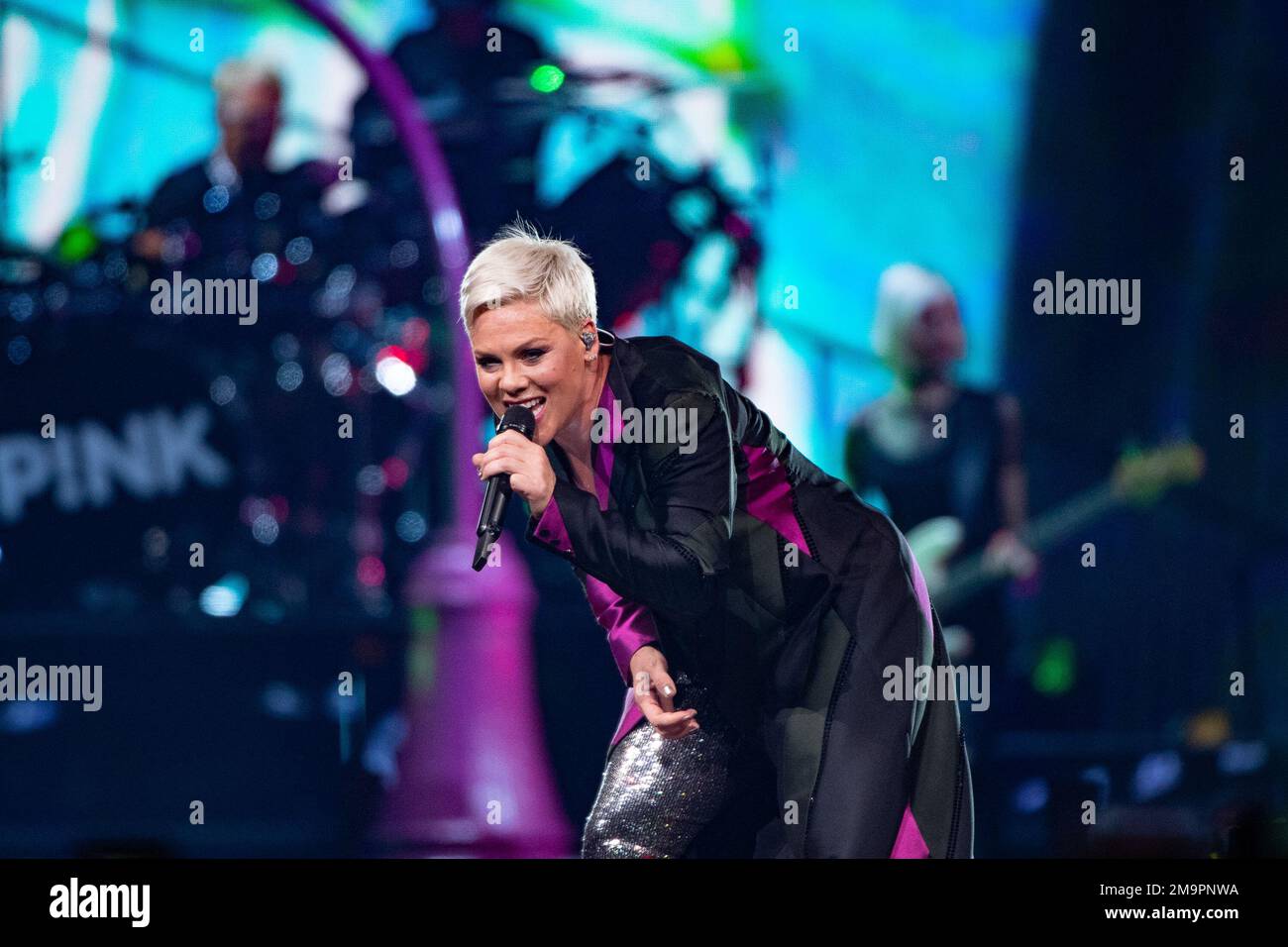
Pink's long hair has served as a central visual anchor across a two-decade music career. While mainstream culture often associates the artist with her signature spiky blonde crop, her strategic returns to long hair have punctuated pivotal eras of musical reinvention and personal growth.
Tracing this trajectory reveals how an artist uses hair styling not just for superficial glamor, but as a deliberate signaling mechanism. From early-2000s pop-punk crossovers to introspective acoustic balladry, hair length and color have mirrored the thematic shifts in her songwriting.
The Early 2000s: Counter-Programming Pop Norms
When Alecia Beth Moore debuted under the moniker Pink with her 2000 album Can't Take Me Home, the prevailing teen pop landscape was dominated by glossy, uniform blonde blowouts. Pink entered the scene with sleek, chest-length dark hair and natural textures that immediately established her as an outsider within the bubblegum pop ecosystem.
This initial look wasn't an accident. Stylists working with early-stage MTV artists balanced the raw edge of rhythm and blues with approachable rock sensibilities. The long, dark strands provided a stark contrast to her high-energy choreography and punchy vocal delivery.
By the time she released her sophomore album, M!ssundaztood, in 2001, the hair lengthened further into straight, severe lines. This visual pivot directly signaled a departure from her dance-pop origins toward an authentic, rock-driven sound. Fans noticed the shift immediately. It matched the lyrical vulnerability of tracks like "Family Portrait" and "Get the Party Started," grounding her angst in a recognizable, grounded aesthetic.
Color as a Narrative Device
As her career matured, Pink transformed her hair into an active communicative tool. Rather than adhering to a single static brand image, she used temporary color blocks, stark highlights, and varying lengths to externalize the emotional weight of upcoming records.
During the era of her 2006 album I'm Not Dead, she paired a return to longer lengths with caramel highlights and punk-inspired undercuts. This duality allowed her to perform high-octane acrobatic stunts on stage while maintaining a classic rock star silhouette.
Later cycles brought distinct visual transformations:
- Funhouse (2008): Deeper raven tones and voluminous waves created a theatrical, cabaret-inspired aesthetic that matched the album's turbulent exploration of heartbreak.
- The Truth About Love (2012): Asymmetrical cuts featuring long base lengths and bold color streaks aligned with her mature, witty observations on modern relationships.
- Trustfall (2023): A return to a refined long-haired silhouette with seamless highlights, mirroring themes of introspection and resilience.
According to interviews from her tour styling teams, changing hair length and tone acted as a mental reset button between grueling global concert circuits.
The Logistics of High-Energy Performance
Maintaining long hair while executing world-class aerial acrobatics and intense choreography presents unique physical challenges. Unlike static red-carpet appearances, Pink's styling had to withstand sweat, wind machines, and the physical friction of harness rigging.
Tour hair directors typically rely on industrial-grade setting products, secure root anchoring, and strategic layering. This technical constraint explains why she frequently alternates between cropped pixie cuts and extended lengths—short cuts offer tour practicality, while long hair provides a dramatic canvas for storytelling during cinematic ballad segments.
Industry professionals note that her ability to transition between these extremes without damaging hair integrity relies on premium conditioning treatments and deliberate downtime between album cycles. Her transparency about these maintenance realities has earned respect from beauty and hair care specialists alike.
Redefining the Pop Aesthetic
Pink's willingness to subvert beauty expectations helped pave the way for modern pop artists who refuse to stay in a single aesthetic lane. By rejecting the pressure to maintain a permanent, recognizable trademark look, she established that an artist's visual identity can evolve alongside their audience.
This adaptability aligns with broader cultural shifts toward authenticity and the rejection of rigid age-related beauty standards. Where previous generations of female pop stars faced rigid expectations to maintain a specific youthful look, Pink utilized visible changes—gray roots, shaved sides, or dramatic length extensions—as badges of lived experience.
Her influence is visible across the current Billboard charts, where genre-blending artists frequently alter their visual presentation to match micro-eras of their album rollouts.
Frequently Asked Questions
Did Pink have long hair at the beginning of her career?
Yes. On her debut album Can't Take Me Home (2000), she wore sleek, chest-length dark hair before adopting her iconic blonde cropped styles later in the decade.
Why does Pink frequently change her hairstyle?
Pink has noted in interviews that changing her hair acts as a mental reset between album cycles, helping her transition into the emotional mindset of new musical projects.
How does Pink manage long hair during acrobatic performances?
Her styling teams utilize secure root anchoring, heavy-duty setting sprays, and strategic layering to keep hair manageable during high-energy aerial stunts.
What was the inspiration behind her Funhouse era look?
The Funhouse look featured darker, voluminous waves designed to evoke a theatrical, slightly melancholic cabaret aesthetic that complemented the album's themes of relationship turmoil.



