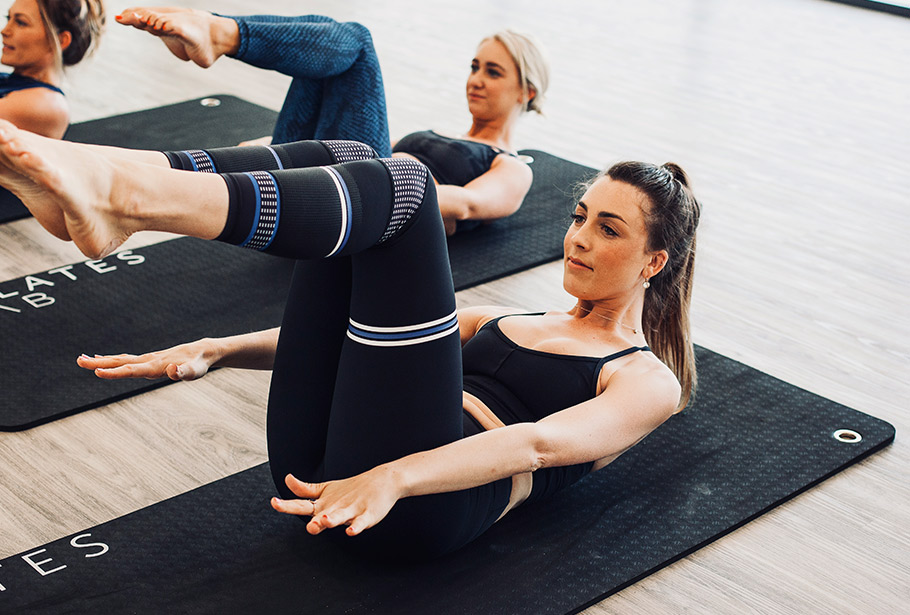
Pilates With Nicole is a popular online fitness method created by instructor Nicole Chapman, focusing on low-impact, reformer and mat-based workouts that blend strength, flexibility, and breath control. If you're looking for a sustainable movement practice that builds deep core stability without high-impact joint strain, this method offers structured routines designed for both beginners and experienced practitioners.
Most online fitness content gives you generic workout lists without explaining how to structure your weekly training or adapt movements for physical limitations. We'll break down the exact training philosophy, core equipment needs, weekly progression schedules, and common execution mistakes so you can start training safely today.
Understanding the Pilates With Nicole Method
Nicole's approach centers on intentional muscular engagement rather than high-speed repetitions. You won't find frantic cardio intervals here. Instead, the workouts combine traditional Joseph Pilates principles with modern functional movement patterns.
Every session focuses on deep core recruitment, stabilizing the scapula and pelvis, and moving with controlled resistance. Whether you're following a mat video or using a home reformer, the objective is muscular endurance and postural alignment.
- Low-impact conditioning: Protects your joints while building muscular tension.
- Spinal articulation: Enhances mobility through the thoracic and lumbar spine.
- Breath synchronization: Uses exhales during exertion to maximize transverse abdominis activation.
Essential Equipment and Setup
You don't need an expensive studio membership to practice effectively, but having the right gear at home changes your form and safety. Depending on whether you follow mat flows or reformer sessions, your setup requires a few key items.
Mat Practice Setup
If you're starting on the mat, invest in a thick, high-density exercise mat (at least 10mm) to protect your spine during rolling exercises.
- Resistance bands: Used for upper body pulls and gentle lower body resistance.
- Pilates ball: A small, inflatable ball placed between the knees or lower back to target inner thighs and deep core stability.
- Magic circle: A traditional resistance ring that increases inner and outer arm engagement.
Reformer Practice Setup
If you have access to a home reformer or studio equipment, check your spring tensions before every session. Most home reformers use color-coded springs where yellow indicates light resistance, red indicates heavy, and blue sits in the middle. Always secure your safety strap and check carriage tracks for smooth movement before mounting. For official safety guidelines on home fitness equipment, consult the Consumer Product Safety Commission.
Weekly Training Schedule
Consistency beats intensity in Pilates. Training three to four times a week yields faster postural changes than one exhausting weekend session. Here is a balanced four-week starter schedule you can follow at home.
- Monday (Full Body Mat): 30-minute full-body flow focusing on core stabilization and spine mobility.
- Wednesday (Lower Body & Glutes): 25-minute targeted session utilizing resistance bands and small balls for hip stability.
- Friday (Upper Body & Posture): 30-minute routine targeting shoulders, upper back, and posture correction.
- Sunday (Active Recovery Stretch): 20-minute gentle mobility flow to release tight hips and lower back muscles.
Common Mistakes to Avoid
Even seasoned gym-goers make critical errors when transitioning to mindful movement practices. Avoiding these pitfalls prevents injury and speeds up your progress.
- Rushing the repetitions: Moving too fast uses momentum instead of muscle. Slow down and make every second count.
- Holding your breath: Shallow breathing spikes tension in your neck and shoulders. Exhale on the hardest part of the movement.
- Flaring the ribs: Letting your ribs pop upward during core work disengages your transverse abdominis. Keep your ribcage knitted down toward your hips.
- Ignoring wrist pain: Putting too much pressure on wrists during planks can cause strain. Distribute your weight across your whole palm and knuckles.
Frequently Asked Questions
Can beginners do Pilates With Nicole?
Yes. Most routines offer beginner-friendly modifications, such as keeping feet on the floor during tabletop abdominal exercises or reducing the range of motion.
How often should I practice to see results?
Practicing three times a week for 30 minutes is enough to notice improvements in core strength, posture, and flexibility within four weeks.
Do I need a reformer to get started?
No. Nicole offers extensive mat-based video libraries that require little more than a comfortable mat and optional light props like bands or a small ball.
Is this practice safe for lower back pain?
Many movements help relieve lower back tension by strengthening deep stabilizers, but if you have acute disc issues or severe injuries, consult a physician or physical therapist before starting. To learn more about safe physical activity standards, visit the World Health Organization.



