When you experience sudden chest tightness before a public speech, you're witnessing the exact point where bodily mechanics and mental perception collide. The physiological and psychological domains aren't separate operating systems. They're a tightly coupled loop where a thought instantly alters blood chemistry, and a biochemical shift changes how you perceive the world. Understanding how these forces interact changes how you approach recovery, training, and everyday wellness.
The Historical Schism: Why We Separated Mind and Body
For centuries, Western medicine operated on a strict mechanical blueprint. René Descartes argued that the physical body functioned like a clockwork machine, while the mind occupied an immaterial realm outside biological laws. This Cartesian split shaped medical education and practice for generations. Doctors treated physical symptoms with surgery or pharmaceuticals, while mental health professionals addressed internal thoughts and emotions in isolation.
This rigid boundary created a false hierarchy. Somatic symptoms with clear physical pathology received aggressive intervention, while conditions lacking immediate lab markers were frequently dismissed or attributed to imagination. Over the last few decades, neuroscience and psychoneuroimmunology dismantled this wall. We now know that immune cells possess receptors for neurotransmitters, and the brain constantly monitors and modulates organ function through the autonomic nervous system.
The Physiological Machinery: Biology in Action
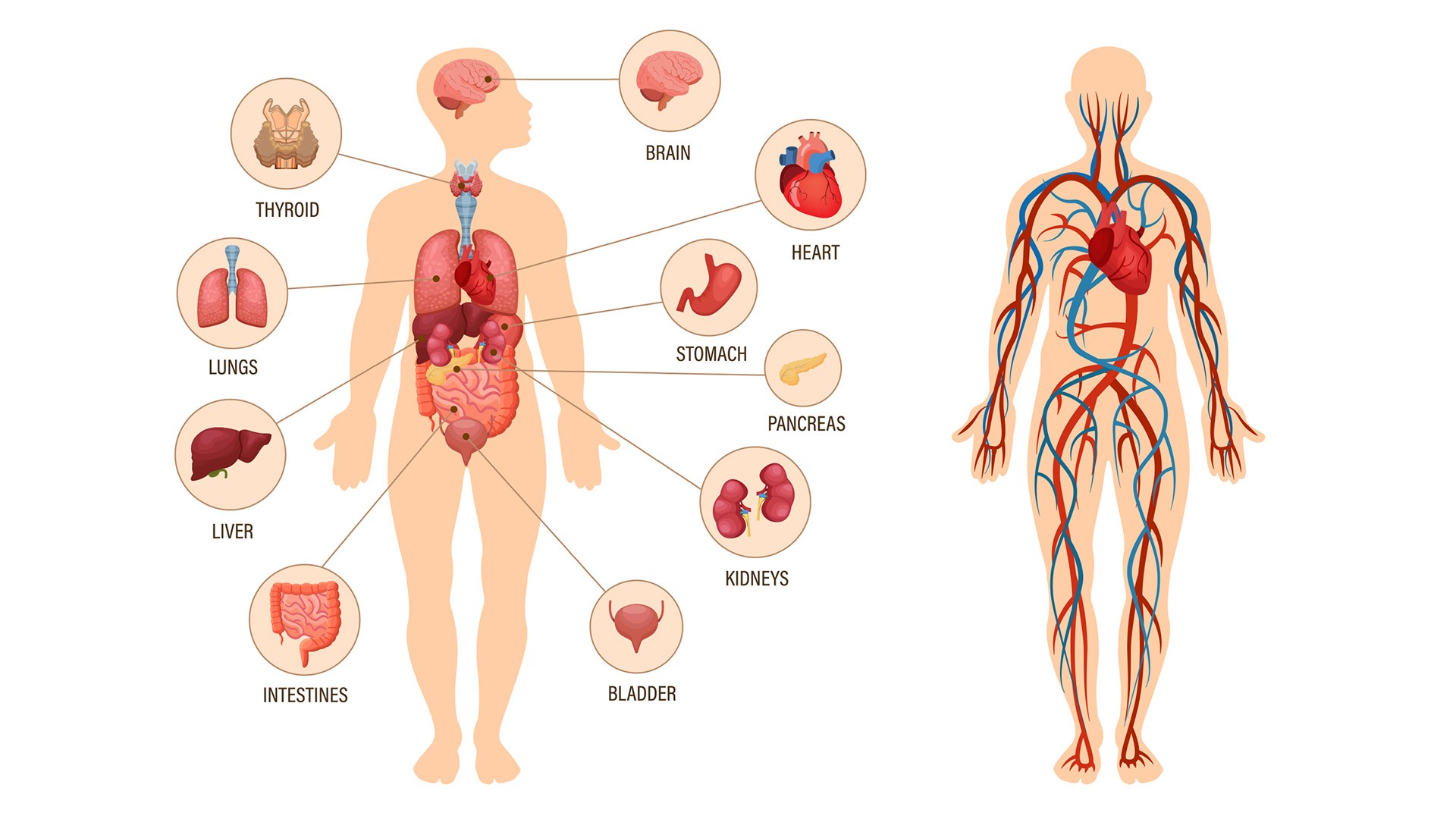
The physiological side of the equation encompasses everything tangible, measurable, and biological within your organism. It's the autonomic nervous system modulating your resting heart rate, endocrine glands secreting cortisol, and neural networks firing across synapses at lightning speed.
When you engage in physical training or face a biological challenge, these systems operate with precise biochemical rules. Lactic acid accumulation during a sprint isn't a mental failure; it's a metabolic byproduct of anaerobic glycolysis. Muscle fiber recruitment, VO2 max thresholds, and hormonal cascades follow strict physical laws.
- Autonomic Regulation: The sympathetic and parasympathetic branches balance arousal and recovery without conscious direction.
- Endocrine Signaling: Glands release hormones that alter cellular metabolism, blood pressure, and immune function across seconds or hours.
- Homeostatic Feedback: Organs constantly communicate via chemical messengers to maintain internal stability, temperature, and pH balance.
The Psychological Framework: Perception and Meaning
While physiology provides the hardware, the psychological domain governs software processing, meaning-making, and conscious direction. It encompasses thoughts, emotional regulation, beliefs, past conditioning, and subjective interpretation.
Two people can experience the exact same physiological arousal—such as an elevated heart rate and rapid breathing. To someone about to step on stage, the brain interprets these signals as severe anxiety. To someone about to ride a roller coaster, the brain labels the identical physical sensations as excitement.
The physical sensation is neutral data. The psychological appraisal determines whether the body shifts into defensive panic or focused engagement.
This interpretive layer dictates behavioral choices. Sticking to a rigorous rehabilitation plan after an injury doesn't depend solely on tissue healing rates; it relies on self-efficacy, pain catastrophizing tendencies, and personal motivation.
The Interlocking Feedback Loop in Health
Nowhere is the integration of mind and body more evident than in the stress response. When you perceive a threat—whether it's an aggressive animal or an impending work deadline—the amygdala signals the hypothalamus, activating the hypothalamic-pituitary-adrenal axis.
This psychological appraisal triggers a cascade of physiological changes:
- Adrenaline and cortisol flood the bloodstream.
- Blood flow redirects from digestion to skeletal muscles.
- Immune responses temporarily suppress to conserve energy for immediate survival.
When this response remains chronically activated by constant psychological stress, it wears down physical tissue. Long-term cortisol elevation contributes to systemic inflammation, hypertension, and disrupted metabolic function. According to research from the National Institutes of Health, chronic psychological distress correlates directly with impaired immune surveillance and delayed wound healing.
Conversely, physical states drastically alter mental clarity and emotional stability. Systemic inflammation triggers cytokine release that crosses the blood-brain barrier, directly inducing fatigue, depressive symptoms, and cognitive fog. Treating the mind requires acknowledging the physical baseline it rests upon.
Application in Peak Performance and Recovery
In elite athletics and high-stakes professions, the divide dissolves entirely. Two competitors might possess identical physiological profiles, yet one consistently performs under pressure while the other falters.
Physical training builds the engine, but psychological skills regulate how efficiently that engine runs during high-stress moments. Techniques like diaphragmatic breathing send physical feedback to the vagus nerve, down-regulating the sympathetic nervous system and lowering heart rate variability. By intentionally altering physiological markers through mental focus, performers regain cognitive control.
Recovery follows the same bi-directional rule. Sleep architecture, nutritional intake, and physical rest are physiological necessities, but their optimization requires psychological discipline, habit formation, and stress management.
Frequently Asked Questions
Can psychological stress cause actual physical damage?
Yes. Chronic psychological stress keeps the sympathetic nervous system engaged, leading to sustained high blood pressure, elevated inflammation, and altered immune function, which increases the risk of cardiovascular disease and metabolic dysfunction.
What is the difference between the placebo and nocebo effects?
The placebo effect occurs when a patient experiences genuine clinical improvement after receiving an inert treatment because they expect a positive outcome. The nocebo effect is the opposite: expecting negative side effects or adverse outcomes triggers real physiological discomfort or symptoms from an inert substance.
Why do some people handle physical pain better than others?
Pain perception is heavily modulated by top-down neurological processing. Psychological factors such as attention, anxiety levels, past trauma, and cognitive reframing can amplify or dampen pain signals before they reach conscious awareness.
How does exercise improve mental health?
Physical exertion triggers the release of endorphins and endocannabinoids, reduces systemic inflammation, and promotes neurogenesis in the hippocampus. These physiological changes combine with the psychological boost of accomplished goals and reduced anxiety.



