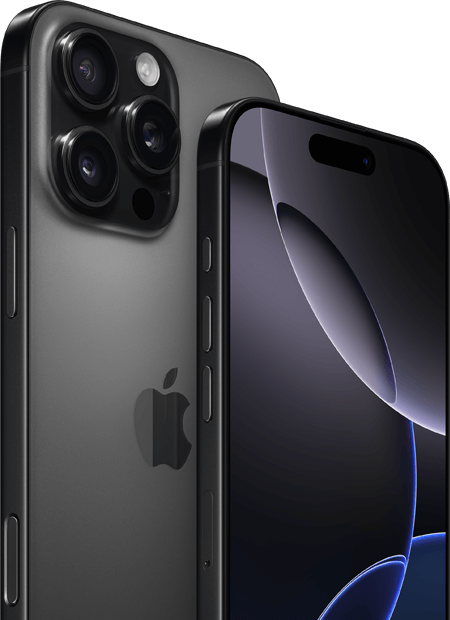
Standard operating system updates for iPhone and Android devices won't delete TikTok. Operating system patches target core system files, security architecture, and system performance frameworks rather than individual user-installed applications. If you notice TikTok missing after an update, it's almost always due to low device storage triggering an automatic system feature rather than an intentional removal of the app.
Data safety remains secure during routine software updates because your local app cache, login tokens, and cloud-synced account preferences are preserved by the system partition. Unless your device lacks the gigabytes required to unpack the update package and you've explicitly enabled automated storage offloading, TikTok stays right where you left it.
Why Operating System Updates Don't Touch Apps
When Apple or Google pushes a software update, the package overwrites system files, device drivers, and built-in framework tools. Third-party applications like TikTok live in a separate user directory sandbox. Routine updates respect this boundary, modifying only the background application programming interfaces that software uses to communicate with your hardware.
Your device doesn't parse through your app drawer to delete specific social media platforms. Security updates patch vulnerabilities in the operating kernel, while major annual updates introduce fresh design features. Throughout these processes, application binary files remain untouched unless system storage space runs critically low.
The Real Culprit: Low Storage and Offload Settings
If your phone update seems to have deleted TikTok, an automated space-saving feature is usually responsible. Smartphones need temporary headroom to download, unpack, and install operating system updates.
- iOS Offload Unused Apps: Apple devices feature a setting that automatically deletes infrequently used applications to free up space when a major update needs room. If this setting is active and TikTok hasn't been opened in a while, the system removes the app binary while saving your documents and data.
- Android Storage Management: Certain Android manufacturers implement aggressive caching clearances or prompt users to purge heavy applications when storage capacity dips below five percent during an update cycle.
You can verify your device storage health directly through system settings before initiating any major update. Keeping at least six to ten gigabytes of free space prevents your phone from making automated cleanup decisions on your behalf. For more details on managing system storage, check out the official Apple Support guide or standard documentation on Android Help.
What Happens to Your Data During an Update?
Local app data and cloud data behave differently when your phone undergoes maintenance. Understanding this separation clarifies why your account details aren't lost when software changes occur.
- Account Credentials: Your login state is tied to authentication tokens stored securely in your user keychain. Operating system updates preserve these tokens.
- Drafts and Local Cache: Unposted video drafts live inside the app's local directory sandbox. Routine updates leave this sandbox intact, though low-storage offloading can wipe local caches if not handled carefully.
- Cloud-Synced Profiles: All published videos, messages, and follower metrics live on remote servers managed by TikTok. Local device updates have zero impact on your cloud profile.
If an app is uninstalled due to low storage during an update, reinstalling it restores your basic framework, but local unpublished drafts might require recovery if the sandbox was cleared.
How to Protect Your Apps Before Updating
Preparation eliminates the risk of unexpected app disappearances or data corruption during a system upgrade. Take these quick steps before tapping install on your next software package.
- Check Available Storage: Navigate to your device settings and ensure you have double the required space for the update file.
- Disable Offload Settings: On iOS, go to App Store settings and turn off automatic offloading of unused apps so the phone cannot delete software without your consent.
- Back Up Your Device: Run a manual cloud backup or plug your phone into a computer to secure local files.
- Ensure Stable Wi-Fi: Interruptions during download phases can cause installation loops that corrupt app directories.
Common Mistakes to Avoid
Panic often leads to counterproductive actions when a phone update notification pops up. Avoid these pitfalls to keep your device running smoothly.
- Don't ignore storage warnings: Proceeding with an update on a maxed-out phone invites automated file deletion.
- Don't force-restart mid-update: Interrupting a firmware flash can corrupt the entire user partition, forcing a factory reset.
- Don't trust third-party cleaners: Avoid sketchy cache-cleaning apps that promise to prep your phone; they often delete necessary app fragments.
Frequently Asked Questions
Will updating my phone log me out of TikTok?
No. Standard operating system updates preserve your credential tokens, so you should remain logged into your account once the device reboots.
Can an update accidentally delete my video drafts?
If the update completes normally without triggering storage offloading, your drafts remain safe. However, if your phone forces an app offload due to low space, local unposted drafts stored exclusively on the device may be cleared.
Does a phone update change my TikTok privacy settings?
System updates modify how the operating system handles permissions, but they don't automatically rewrite individual app preferences. Review your privacy dashboard in phone settings post-update to ensure permissions match your preferences.
Why did my app disappear if updates don't delete apps?
Your device likely utilized an automated space-saving feature to clear room for the massive update file. Re-downloading the app from your app store restores access, though local cache files will be fresh.


