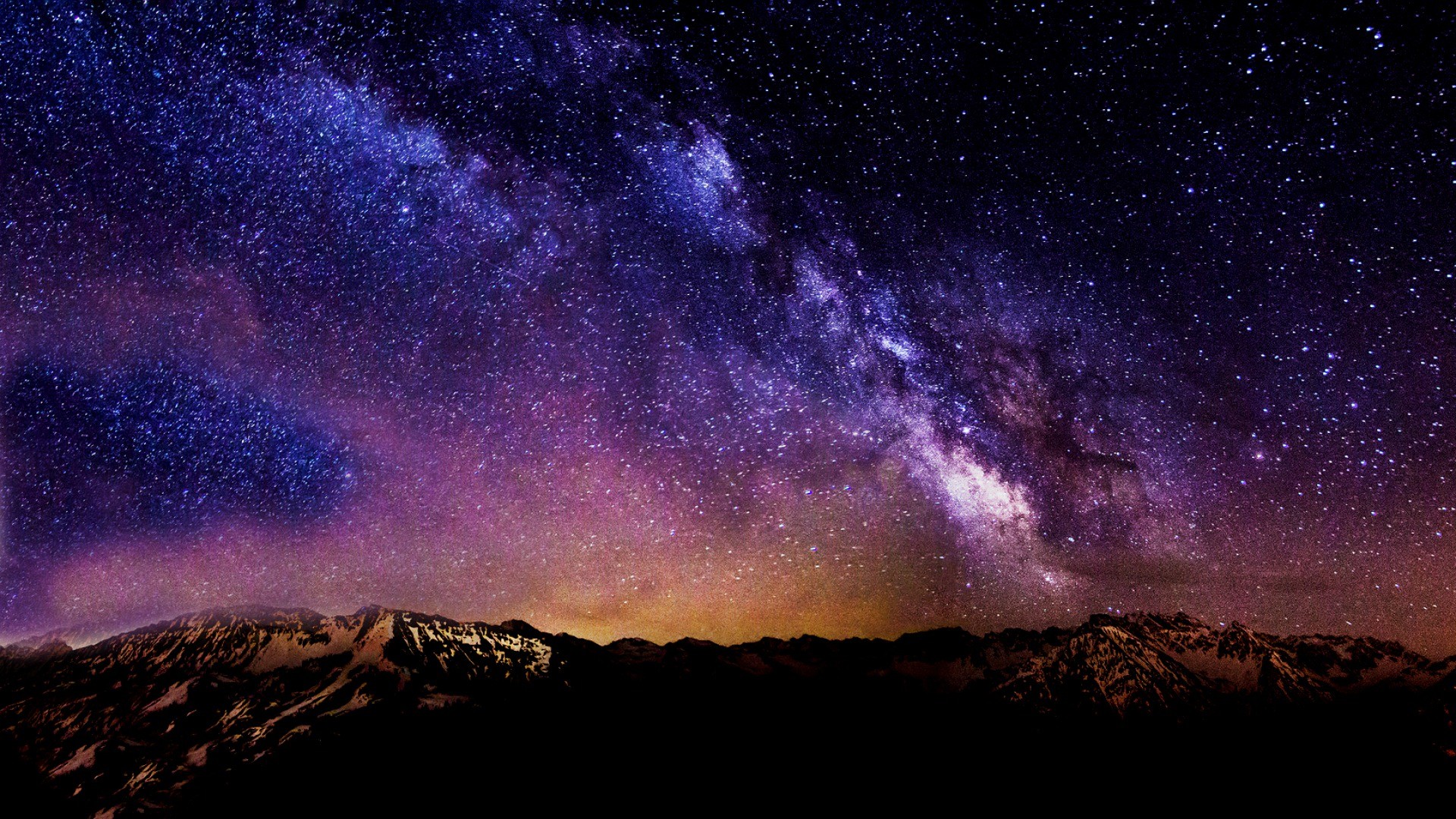
Stargazing in the Phoenix metropolitan area requires balancing urban light pollution with the desert's clear, dry nights. While city lights wash out faint deep-sky targets, the Valley of the Sun offers exceptional visibility for planets, bright constellations, and major lunar conjunctions once you know where and when to look.
Understanding the Phoenix Night Sky
Phoenix sits under heavy urban light pollution, typically registering high on the Bortle scale within city limits. That means you won't see the faint dust lanes of the Milky Way from a backyard in downtown Phoenix or Tempe. However, the region's low humidity and high percentage of clear days provide crisp atmospheric conditions that make bright objects—like Venus, Jupiter, Saturn, and prominent seasonal constellations—sharper than they appear in humid climates.
To experience dark skies, you'll want to head out of the immediate urban core. Prime local observing spots include the Lost Goldmine Trailhead near Gold Canyon, San Tan Regional Park near Queen Creek, or Sears-Kay Ruins near Carefree. For truly pristine dark skies, heading deeper north toward Camp Verde or out toward the desert dark sites minimizes light domes on the horizon.
Visible Planets and Night Sky Highlights
Planetary viewing from Phoenix changes throughout the year based on orbital mechanics. Saturn often dominates the evening hours shortly after sunset, making it an ideal target for small telescopes or steady binoculars. Outer ring details and Titan can be picked out easily on stable autumn and winter nights.
In the pre-dawn hours, planets like Jupiter, Venus, and Mars frequently stage close conjunctions with the Moon. When planning an observation session, check local moon phases. A bright full moon acts as natural light pollution, washing out meteors and fainter star clusters. Plan deep-sky or meteor shower viewings around the new moon phase to maximize contrast. For official tracking data, resources like the U.S. Naval Observatory provide precise astronomical data and ephemerides.
Prominent Constellations Over the Valley
Depending on the season, different star patterns dominate overhead in Arizona skies.
- Autumn Skies: Look toward the northern and eastern horizons to find Cassiopeia with its distinctive "W" shape, alongside Andromeda and Pisces. Pegasus is also high overhead during early evening hours, making the Great Square easy to trace.
- Winter Skies: Orion rises in the east, bringing brilliant winter companions like Sirius (the brightest star in the night sky) in Canis Major, Procyon, and Aldebaran in Taurus.
- Spring and Summer Skies: The Scorpion (Scorpius) arcs low across the southern horizon, anchored by the red supergiant star Antares. Overhead, the Summer Triangle—formed by Vega, Deneb, and Altair—rules the warm evening vault.
To learn more about stellar classifications and official celestial boundaries, visit the International Astronomical Union.
Essential Stargazing Gear and Tips
You don't need an expensive observatory to start exploring the sky above Arizona. A few practical guidelines will elevate your stargazing experience:
- Protect your night vision: Give your eyes at least 20 to 30 minutes to adjust to the dark. Turn off phone screens or use a red-light filter, because bright white light instantly resets your night adaptation.
- Invest in entry-level optics: A pair of 7x50 or 10x50 binoculars reveals hundreds of stars invisible to the naked eye, lunar craters, and open clusters like the Pleiades.
- Download a digital guide: Real-time planetarium tools help identify unexpected conjunctions or passing satellites. The NASA Solar System Exploration portal is also a fantastic companion for tracking planetary alignments.
Frequently Asked Questions
Can I see the Milky Way from Phoenix?
Not from within the city limits. The urban light dome creates too much interference. You must drive 45 to 90 minutes outside the metro area toward regional parks or designated dark sky zones to see the Milky Way core clearly.
What is the best time of year for stargazing in Phoenix?
Late autumn and winter offer the longest nights and crisp, stable airmasses. Summer brings clear skies, but daytime heat retention creates atmospheric shimmering that can blur telescopic views.
Do I need a telescope to enjoy celestial events?
Many of the best events—such as bright planet conjunctions, meteor showers, and major constellations—are completely visible with the naked eye or standard binoculars.
Where can I check local cloud cover and seeing conditions?
Astrophotographers and hobbyists rely on specialized forecasts like the Clear Sky Chart to find precise predictions for cloud cover, transparency, and seeing stability at specific Arizona sites.



