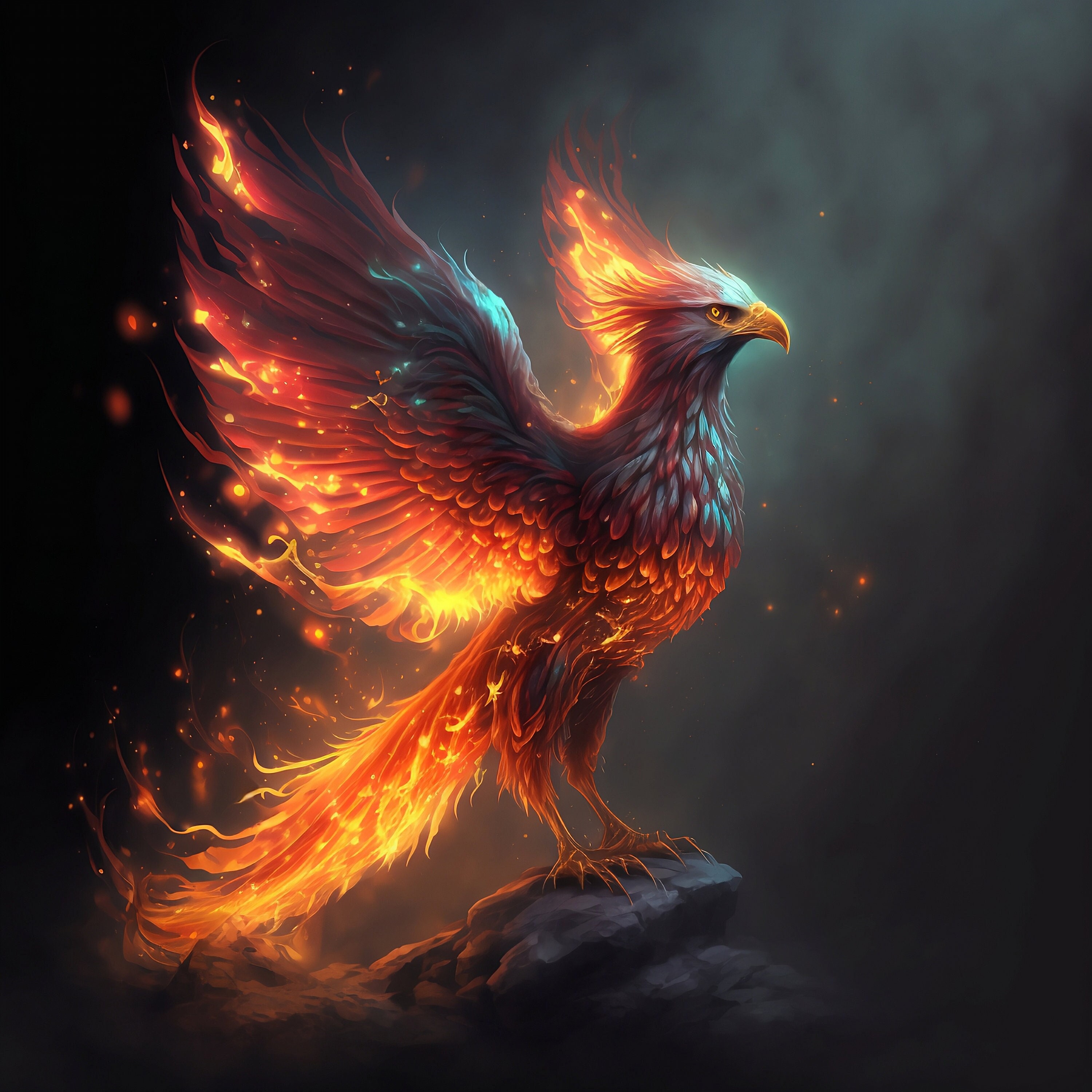
In the expansive mythology of Masami Kurumada's Saint Seiya, the hierarchy is dominated by omnipotent deities, divine mandates, and dutiful Saints. Yet, amidst the pantheons of Olympus and the frozen halls of Asgard, one warrior operates in a state of perpetual friction. Phoenix Ikki isn't a traditional chosen hero. He's a volatile, lone-wolf Bronze Saint who wages relentless war against the very cosmos he ultimately protects, charting a course from insurgent antagonist to an uneasy, indispensable ally.
To understand the enduring impact of the series, you have to look past Seiya’s unrelenting optimism and examine the darker, more cynical path of the Phoenix. Ikki's journey isn't just about raw power or flashy techniques. It's a psychological deconstruction of trauma, a refusal to bow to systemic tyranny, and an earned redemption born from isolation and fire.
The Genesis of a Rogue: Trauma and Isolation on Death Queen Island
Every legendary character has an origin that explains their worldview, but Ikki's formative years are defined by absolute brutality. Sent to Death Queen Island—the absolute worst assignment in the training hierarchy—he didn't learn the noble tenets of Athena's domain. Instead, he learned how to survive in a literal wasteland governed by violence and cruelty.
Under the brutal tutelage of Guilty, Ikki's heart was intentionally hardened. The death of Esmeralda, the one bright spot in his desolate exile, shattered whatever innocence he had left. This wasn't standard shonen training. It was an intentional breaking of a young mind designed to turn him into a weapon of pure hatred. When Ikki finally returns to the civilized world during the Galaxian Wars, he isn't seeking friendship or glory. He's bringing the trauma and rage of Death Queen Island straight back to the Sanctuary that abandoned him there.
The Psychology of Disdain for Authority
Unlike his peers who readily accept their roles as holy warriors, Ikki views the entire cosmic order as a gilded cage. His initial rebellion isn't born of simple malice. It's a visceral rejection of control.
- The Lone Wolf Dynamic: He refuses to fight side-by-side with the other Bronze Saints for the longest time, stepping in only when his own interests or his brother's survival intersect with the crisis.
- Rejection of Divine Mandates: While Seiya and Shiryu fight for Athena out of a sense of duty, Ikki fights because he refuses to let anyone else dictate the terms of his existence.
- The Weaponized Shadow: He embraces his role as the dark mirror to the traditional hero, proving that justice doesn't always wear a shining cloth.
From Antagonist to Anti-Hero: The Sanctuary Arc Evolution
When Ikki first bursts onto the scene, he steals the Gold Cloth of Sagittarius and pits the Bronze Saints against each other in a series of brutal gladiatorial confrontations. He's framed as the ultimate antagonist of the early arcs, a terrifying force who feels no remorse and pushes Seiya, Hyoga, Shiryu, and Shun to their absolute limits.
Yet, this antagonistic phase is short-lived. As the true corruption of the Pope and the Sanctuary is revealed, Ikki's role shifts. He doesn't suddenly become a loyal soldier of Athena, but he recognizes a greater evil when he sees one. His intervention during the Twelve Temples arc is calculated and transactional, yet it repeatedly saves the main cast from certain doom. He operates like a mercenary of fate, appearing from the ashes when the odds are stacked impossibly high.
If you look closely at his battles against Gemini Saga or Shaka of Virgo, you notice a distinct pattern. Ikki doesn't win through superior raw talent alone. He wins because he has already stared into his own personal hell on Death Queen Island. Illusions and psychological torture—shattering weapons in the hands of opponents like Shaka—fail against a man who already carries his own nightmares inside him every single day.
The Mechanics of Destruction: Fighting Style and the Phoenix Cloth
Ikki's combat philosophy relies entirely on psychological disruption, precision, and overwhelming counter-attacks rather than endless brawling. He doesn't waste energy on prolonged exchanges.
His signature technique, the Phoenix Genma Ken (Phoenix Illusion Demon Fist), bypasses physical defense entirely. It attacks the nervous system and forces the victim to experience their deepest, most paralyzing fears. It's a brutal reflection of his own internal state—he externalizes his trauma and forces his enemies to share it. When paired with his physical finisher, the Hōyoku Tenshō (Phoenix Innumerable Wings), he delivers a devastating blast of kinetic and thermal energy that clears entire battlefields.
Then there's the legendary armor itself. The Phoenix Cloth is entirely unique among the 88 constellations for a very specific reason:
- The Myth of Rebirth: It is the only Cloth known to regenerate completely from total destruction. Every time Ikki is seemingly atomized, the armor gathers its pieces and reforms from the ashes.
- Battle-Scarred Aesthetic: Unlike the pristine, polished armor worn by his peers, Ikki's Cloth is weathered, dark, and perpetually worn down by his relentless lifestyle.
- Symbiotic Resilience: The Cloth mirrors its master's stubborn refusal to stay down, making him mathematically and narratively impossible to permanently eliminate.
Brotherhood and the Complex Dynamic with Shun
Beneath the abrasive exterior and the threats of abandonment, Ikki's entire moral compass anchors on one person: his younger brother, Shun.
Their relationship subverts classic tropes. Shun is gentle, empathetic, and reluctant to unleash his true, devastating power. Ikki spent his entire childhood shielding Shun from the harsh realities of their draft into the Sanctuary program, even taking Shun's place on the deadly Death Queen Island out of protective love.
This protective streak creates a fascinating friction. Ikki acts harshly toward Shun, telling him to harden his heart and shed his kindness, yet he always arrives like a crimson specter the exact second Shun's life is in mortal danger. It's a complex dynamic of tough love born from a world that tried to strip away their humanity. You can explore more about classic character dynamics in classic shonen storytelling through retrospectives on Anime News Network.
The Underworld and Beyond: Defiance Against the Gods
As the narrative scales upward into the Poseidon and Hades arcs, Ikki stops being merely a disruptive element and becomes a critical pillar of cosmic resistance. During the assault on the Underworld, he carves a bloody path through legions of Specters entirely on his own terms.
His ultimate confrontation with the god Hades encapsulates his entire thematic arc. While other warriors pray for divine grace or rely on miraculous power-ups gifted by deities, Ikki stands on his own feet. He challenges the ruler of the dead not because he expects to rule, but because tyranny must be opposed. It's an existential rebellion. Even when facing absolute annihilation, the Phoenix burns brighter against the dark. For broader context on how these legendary 80s franchises shaped modern media, check out historical archives on Polygon.
Frequently Asked Questions
Why is the Phoenix Cloth different from other Bronze Cloths?
The Phoenix Cloth is legendary because it possesses the unique ability to regenerate from complete destruction. While other cloths require specialized repair fluids or the blood of a blacksmith to recover from severe damage, the Phoenix Cloth literally rises from its own ashes, mirroring Ikki's resilience.
Is Ikki technically a villain when he is first introduced?
He starts as an antagonist during the early tournament and Sanctuary prelude arcs, stealing the Sagittarius Gold Cloth and fighting the other Bronze Saints. However, he quickly transitions into an anti-hero once the true corruption of the Sanctuary leadership comes to light.
How does Ikki defeat Shaka of Virgo?
During the Twelve Temples arc, Ikki defeats Shaka not through brute physical force, but by allowing Shaka to strip away his senses one by one. By doing so, Ikki unlocks his hidden seventh sense and traps Shaka in a mutual suicide attack that forces them both out of a dimensional exile.
Why did Ikki end up on Death Queen Island?
Ikki was originally scheduled to go to Death Island, but he swapped places with his younger brother Shun at the last moment to save him from the brutal training conditions, leading directly to his years of isolation and trauma.



