Understanding Phoenix December Weather
Phoenix December weather offers a radical departure from the scorching, triple-digit heatwaves defining the Sonoran Desert for much of the year. Daytime high temperatures hover comfortably around the mid-60s Fahrenheit (roughly 18 to 19 degrees Celsius), while overnight lows dip into the mid-40s. Rainfall remains minimal, averaging under an inch for the entire month, and clear blue skies dominate roughly 80 percent of the daylight hours. This climatic shift isn't just a welcome break from summer air conditioning bills; it serves as the foundational engine driving the city's seasonal lifestyle changes, retail booms, and tourism spikes.
For visitors and locals alike, this weather creates a unique window where outdoor activity peaks rather than halts. Understanding how this meteorological sweet spot governs daily routines, business cycles, and urban planning reveals why December is the true heartbeat of the Valley of the Sun.
The Climate Foundation: Temperature, Sun, and Precipitation
To grasp how December shapes Phoenix, we have to look closely at the numbers. The climate profile of the city during the final month of the year is characterized by stability and gentle transition:
- Daytime Highs: Typically range between 63°F and 67°F, providing crisp, pleasant afternoons ideal for light jackets rather than heavy winter gear.
- Nighttime Lows: Average around 41°F to 45°F. Frost is exceptionally rare in the urban core, though outlying desert valleys occasionally see surface frost at dawn.
- Precipitation: Historically records only 3 to 4 days of measurable rain, totaling around 0.7 to 0.9 inches for the month.
- Sunshine: Delivers nearly 250 to 280 hours of direct sun, ensuring bright, glare-filled days even in mid-winter.
Unlike northern climates where winter forces people indoors, Phoenix weather acts as an invitation. The absence of humidity and biting winds makes physical exertion outdoors comfortable, altering how residents commute, exercise, and socialize.
How December Weather Shapes Local Lifestyle
When the thermometer drops out of the dangerous summer ranges, the local lifestyle undergoes a massive transformation. Outdoor spaces shift from being avoided to becoming community focal points.
The Great Outdoor Migration
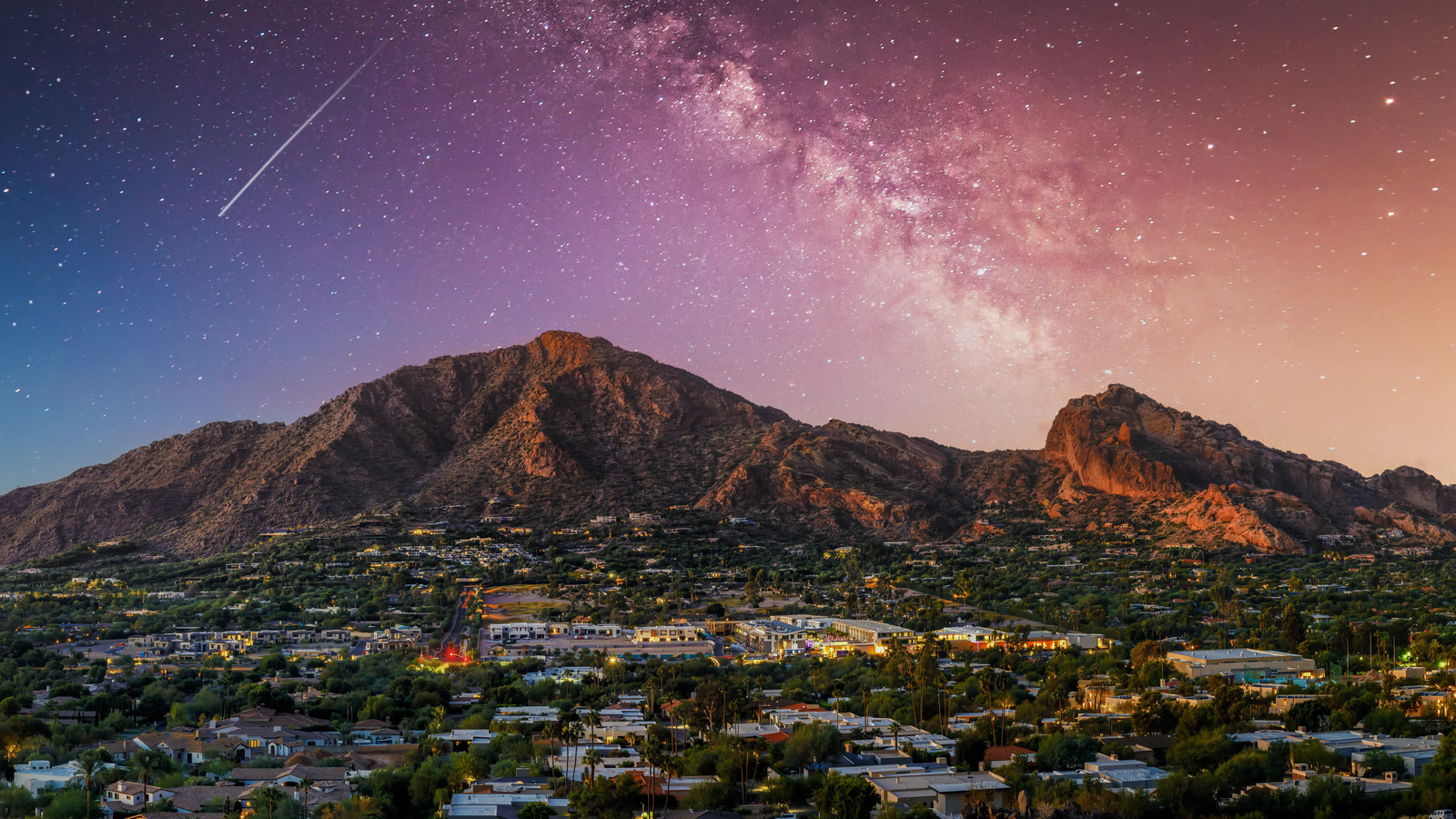
Residents who spent months cooped up in air-conditioned homes reclaim the outdoors. Neighborhood parks, canal paths, and desert trails see heavy foot traffic. Hiking spots like Camelback Mountain and Piestewa Peak experience peak congestion on December weekends. Bicycling and running clubs shift their schedules from pre-dawn hours to mid-afternoon, taking advantage of the sun-warmed air.
Al Fresco Dining and Social Culture
Restaurants and bars pivot their seating arrangements. Patios, rooftops, and courtyard spaces become the most coveted tables in town. Local establishments often install outdoor heaters for the chilly post-sunset hours, but the demand for open-air dining surges. This cultural shift spills over into community events, farmers markets, and neighborhood street festivals that were entirely impractical during July and August.
Economic Impacts: Tourism, Retail, and Seasonal Industries
The shift in climate triggers a direct economic pulse across Maricopa County. Phoenix transitions into a premier global destination just as much of North America freezes over.
The Tourism and Hospitality Boom
December marks the official kickoff of peak tourism season. Snowbirds—seasonal residents from Canada and the northern United States—return in droves, filling rental properties, RV parks, and gated communities for the winter. According to Visit Phoenix, hospitality revenue spikes significantly during this period. Hotels command higher nightly rates, and resorts experience high occupancy driven by travelers seeking a mild desert escape.
The Outdoor Recreation Economy
Golf courses, desert tour operators, and adventure outfitters experience their most profitable quarter. Tee times across municipal and resort courses book out weeks in advance. Jeeping, quad-rental, and hot air balloon companies operate at maximum capacity, capitalizing on calm atmospheric conditions and stable daytime temperatures.
Retail and Small Business Vibe Shifts
Brick-and-mortar retail districts, such as Old Town Scottsdale and downtown Phoenix shopping hubs, benefit immensely from pedestrian-friendly weather. Shoppers are willing to stroll from store to store, boosting impulse purchases and foot traffic for local artisans, holiday markets, and dining strips.
Common Misconceptions About Desert Winters
Out-of-towners often harbor misconceptions regarding desert weather that can skew travel plans or business forecasts.
- "It's always hot in Arizona." While true for summer, winter nights in the desert radiate heat quickly into the clear atmosphere. Temperatures drop sharply after sunset, catching unprepared tourists off guard when they step out in summer clothing.
- "Desert winters are completely dry and warm." While rain is scarce, winter storms can occasionally roll in from the Pacific, bringing damp chillier days where high temperatures struggle to break 50°F.
- "You don't need sun protection in December." The winter sun in Phoenix remains strong due to the lower latitude. Sunscreen and sunglasses are just as necessary on a December hike as they are in June.
Frequently Asked Questions
Do I need a heavy winter coat in Phoenix in December?
No, heavy winter coats are unnecessary. However, you will need sweaters, fleece jackets, or light coats for early mornings and late evenings when temperatures drop into the 40s. Daytime wear usually consists of long sleeves, light denim, or t-shirts.
Does it ever snow in Phoenix in December?
Snow in the city proper is virtually non-existent. While surrounding higher-elevation mountains like the Superstitions or peaks near Flagstaff receive snow, Phoenix city limits experience rain rather than snow.
How do local businesses prepare for the December weather shift?
Businesses transition their operations by expanding outdoor seating, hiring seasonal hospitality staff, and launching outdoor-centric marketing campaigns. Restaurants winterize patios with heaters, while tour operators increase capacity for desert excursions.
Is December a crowded time to visit Phoenix?
Yes, December is considered high season. Popular tourist attractions, golf courses, and upscale dining spots experience higher volumes of visitors, particularly around the Christmas and New Year holidays, so advance bookings are recommended.


