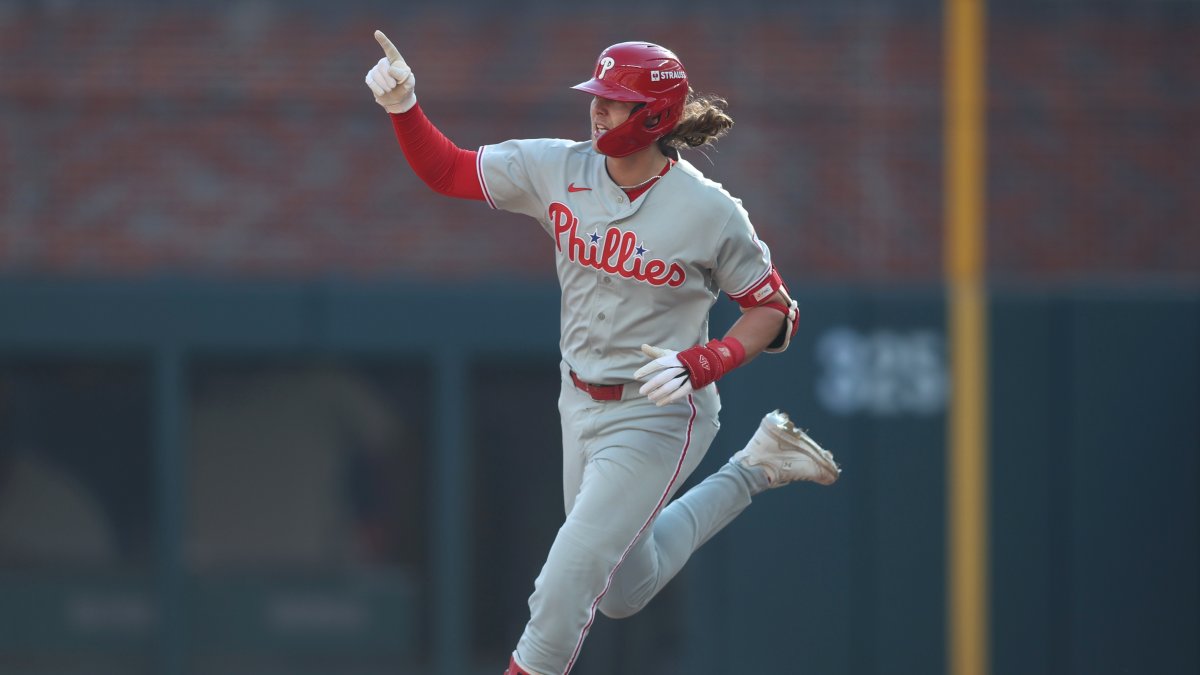
Analyzing cross-league matchups in Major League Baseball requires looking past standard batting averages to evaluate how high-powered lineups perform against elite pitching rotations. When the Philadelphia Phillies face the Minnesota Twins, the data highlights stark contrasts in plate discipline, bullpen depth, and power metrics.
The Philadelphia Phillies consistently generate high offensive pressure through aggressive early-count swings and high slugging percentages from core sluggers like Bryce Harper and Kyle Schwarber. Meanwhile, the Minnesota Twins rely on situational hitting and multi-positional versatility to counter power pitching. Examining recent series encounters, such as their mid-season clashes at Target Field, proves that bullpen management ultimately decides these interleague series.
Head-to-Head Overview and Historical Context
Interleague play creates rare sample sizes, making historical context vital for bettors and fantasy managers. The all-time series between these franchises remains tight, with Philadelphia holding a slim historical edge.
- Total Encounters: Over 30 regular-season games have taken place since interleague play expanded.
- Recent Momentum: Philadelphia swept key recent regular-season series, taking multiple games by significant margins.
- Run Differential: Phillies lineups average over four runs per game against Twins pitching, capitalizing heavily on middle-relief vulnerabilities.
When evaluating team performance, it's clear that Philadelphia's top-of-the-order OPS regularly outpaces Minnesota's home-field advantages. However, the Twins consistently find success by forcing opposing starters into high pitch counts early in games.
Core Standouts: Philadelphia Phillies Batting and Pitching
The backbone of Philadelphia's success rests on established veterans and table-setters who control the strike zone.
Kyle Schwarber and Bryce Harper anchor the power numbers, routinely drawing walks that elevate their on-base percentages. In their recent series encounters in Minneapolis, Alec Bohm proved vital with high-impact run production, driving in multiple runs during crucial late-inning rallies.
On the pitching side, managing high-leverage arms like Orion Kerkering and utilizing reliable bullpen pieces keeps opponent scoring low. When Philadelphia's rotation gets deep into the sixth inning, their bullpen ERA drops significantly compared to their league average on the road.
Core Standouts: Minnesota Twins Resiliency and Depth
Minnesota counters power hitting with contact efficiency and defensive versatility. Players like Byron Buxton and Royce Lewis provide dynamic speed and gap power that test outfield alignments.
The Twins thrive when they utilize small ball and capitalize on defensive miscues. In previous matchups, Minnesota's bench depth allowed them to cycle right-handed and left-handed bats effectively against tough southpaw relievers.
- Plate Discipline: Minnesota hitters average fewer strikeouts per game than the league average when facing upper-tier fastballs.
- Clutch Situations: Runner-in-scoring-position conversion rates spike when facing Philadelphia's secondary bullpen options.
- Defensive Alignment: Infield shifts and quick double-play turns frequently stall Philadelphia's early momentum.
Advanced Metrics: Where the Game is Won
Looking closely at advanced metrics reveals why specific games swing one way. Hard-hit percentage (HardHit%) and barrel rates heavily favor Philadelphia's primary sluggers, who consistently rank near the top of the National League.
Conversely, Minnesota excels in pitching extension and avoiding walks. Twins starters focus on limiting free passes, forcing opponents to string together three or more clean hits to manufacture a run.
- Calculate Chase Rates: Monitor how often Twins pitchers trick Phillies batters into chasing breaking balls below the zone.
- Track Bullpen Fatigue: Interleague scheduling often compresses travel days, heavily impacting relief pitcher velocity by the third game of a series.
- Evaluate Defensive Runs Saved (DRS): Outfield range at Target Field frequently turns potential extra-base hits into routine flyouts.
Frequently Asked Questions
What is the historical head-to-head record between the Phillies and Twins?
The all-time regular season series is closely contested, with the Philadelphia Phillies holding a narrow advantage over the Minnesota Twins across more than three decades of interleague play.
Which players typically dictate the offensive pace in this matchup?
Power hitters like Bryce Harper and Kyle Schwarber dictate the pace for Philadelphia by generating high on-base metrics, while dynamic threats like Byron Buxton and Royce Lewis spark Minnesota's offense with speed and extra-base hits.
How do ballpark factors influence player stats in this series?
Playing at Citizens Bank Park usually favors high home run totals due to shorter porch dimensions, whereas Target Field in Minneapolis plays larger, rewarding outfield defense and gap-to-gap hitting.
Where can I check live updates and official league statistics?
You can track real-time box scores, advanced metrics, and official player data directly on MLB.com or review historical team context via Baseball Reference.



