Calling the Philippines a third world country relies on an outdated Cold War label that doesn't capture modern economic realities. While persistent poverty, income inequality, and infrastructure gaps keep the nation anchored to developing status, a booming digital sector and young workforce drive rapid change.
The phrase "third world" originated during the mid-twentieth century to describe nations aligned with neither the capitalist Western bloc nor the communist Soviet bloc. Over decades, popular vocabulary repurposed the term to mean impoverished, low-income, or industrially lagging nations. In the modern economic lexicon, multilateral organizations like the World Bank classify the Philippines as a lower-middle-income economy rather than using obsolete geopolitical tiers. Yet, the stigma of the old label lingers whenever global media reports on regional poverty or urban congestion.
Examining the actual socioeconomic indicators reveals why the label persists alongside undeniable national progress. The reality on the ground isn't a simple binary of wealth or deprivation. It's a complex transition state where digital innovation thrives right next to systemic infrastructural bottlenecks.
Quantifying the Developing Reality
Official data from the Philippine Statistics Authority highlights the structural challenges that fuel the third world perception. Growth numbers alone don't automatically translate to equitable living conditions for every citizen across the archipelago's seven thousand islands.
Poverty incidence remains a central hurdle. Millions of households struggle below the official poverty threshold, facing food insecurity and vulnerable employment. A vast portion of the workforce operates in the informal sector, meaning they lack standard labor protections, health insurance, and predictable wages. This informal labor backbone keeps families financially fragile, vulnerable to sudden economic shocks, weather disasters, or medical emergencies.
Infrastructure deficits compound these financial strains. Decades of underinvestment created severe transportation bottlenecks, particularly in Metro Manila and growing provincial hubs like Cebu and Davao. Traffic congestion drains billions of pesos in lost daily productivity. Furthermore, rural electrification gaps and unreliable water systems in isolated provinces prevent small agricultural communities from scaling their operations efficiently.
Public health and education systems face similar pressures. Public hospitals and schools often operate under tight budgets, leading to overcrowded classrooms and under-resourced medical wards. Families frequently shoulder out-of-pocket costs for healthcare services and school supplies, which drains household savings and perpetuates intergenerational financial struggles.
The Modern Economic Engine
Despite these heavy structural anchors, the country operates an aggressive, fast-growing economy that defies rigid stereotypes. The modern Philippine landscape is shaped by dynamic sectors that connect millions of young workers directly to the global digital marketplace.
The Business Process Outsourcing industry stands as a massive economic pillar. Millions of English-proficient professionals work in contact centers, software development firms, and financial back-offices, servicing multinational corporations worldwide. This sector injected stability into urban centers, creating a corporate white-collar class that drives domestic consumption, real estate booms, and retail expansion.
Remittances from Overseas Filipino Workers provide another critical financial buffer. Millions of Filipinos working abroad send billions of dollars back home every year. This massive capital inflow supports millions of domestic families, funds local education, and serves as an informal insurance policy for the national economy during global downturns.
Demographics offer a powerful long-term advantage. With a median age hovering around twenty-five, the nation possesses a youthful, tech-savvy population. This demographic dividend fuels a booming startup ecosystem. Young founders leverage mobile fintech platforms and e-commerce apps to leapfrog traditional banking hurdles, bringing financial services to millions of unbanked citizens via basic smartphones.
Everyday Life and Regional Disparities
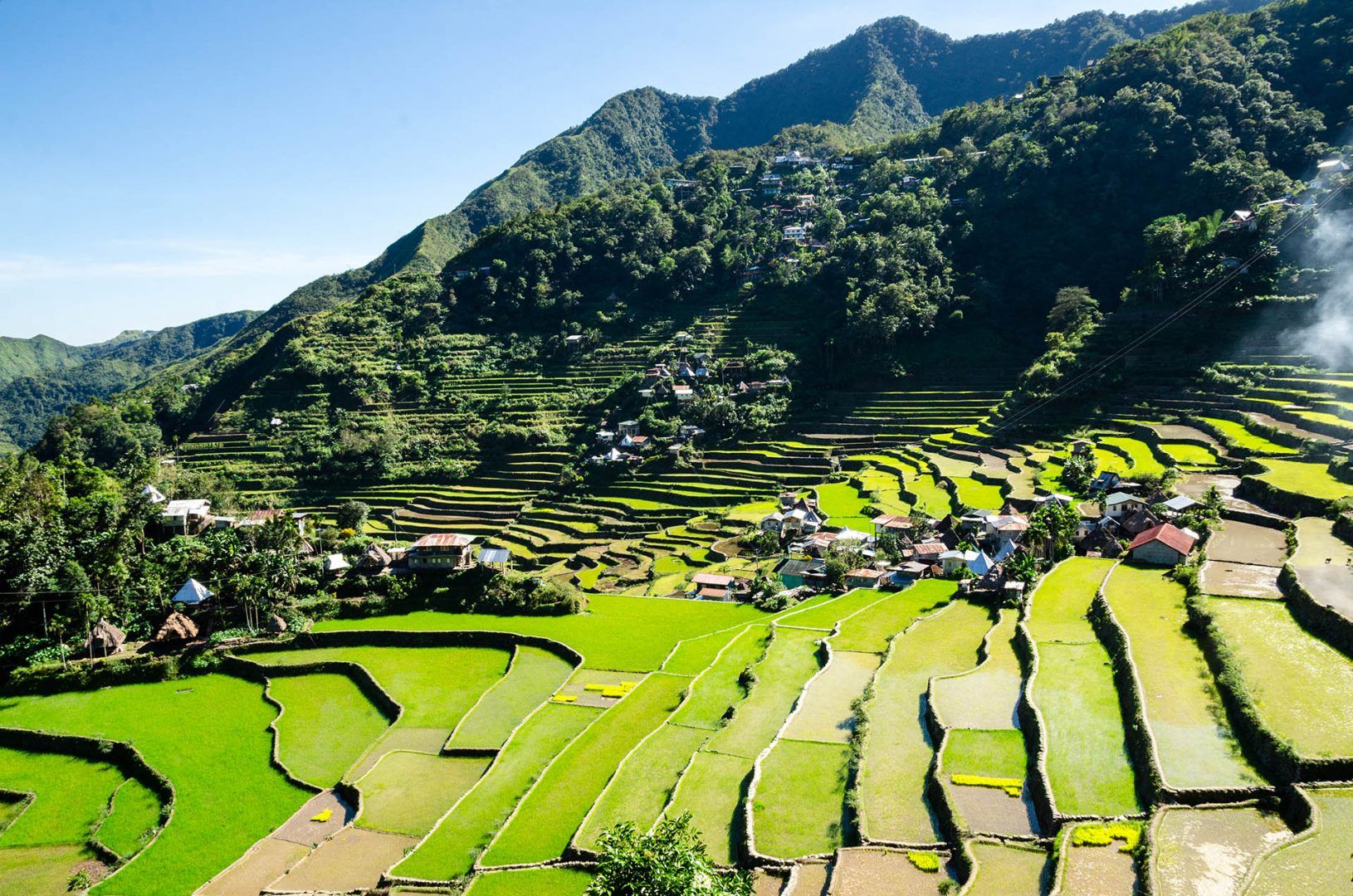
The contrast between metropolitan development and provincial isolation defines the daily experience of many citizens. A software engineer working in a gleaming Bonifacio Global City high-rise experiences a lifestyle vastly different from a rice farmer in Isabela province dealing with erratic irrigation and poor road networks.
Social media usage highlights this digital connectivity. The Philippines consistently ranks among the highest globally for daily time spent on social media platforms. Popular culture, local content creators, and digital entrepreneurship thrive across these channels, showing a population deeply engaged with global trends and digital expression.
Inflation and the rising cost of living add daily friction for average wage earners. Global supply chain disruptions and local agricultural shortages directly impact food prices, forcing families to constantly adjust household budgets. Navigating these economic pressures requires immense resourcefulness and community support networks, which remain a cornerstone of local culture.
Frequently Asked Questions
What does lower-middle-income economy mean for the Philippines?
It is the current World Bank classification based on gross national income per capita. It replaces older terms like developing or third world, placing the nation in a category of countries working to expand industrial capacity and reduce poverty.
Why do people still use the term third world?
Habit and media shorthand keep the term alive. Because it was used for decades to describe non-aligned or impoverished nations, it stuck in popular speech as a quick way to describe nations with visible poverty and infrastructure challenges.
How do remittances impact the national economy?
Remittances from overseas workers make up a significant percentage of the national GDP. They boost household spending power, fund local construction and small businesses, and stabilize the country's foreign exchange reserves.
Are all regions in the Philippines developing at the same pace?
No. Economic activity is heavily concentrated in major urban centers like Metro Manila, Cebu, and Davao. Many rural provinces remain heavily reliant on agriculture and face slower infrastructural development and job diversification.



