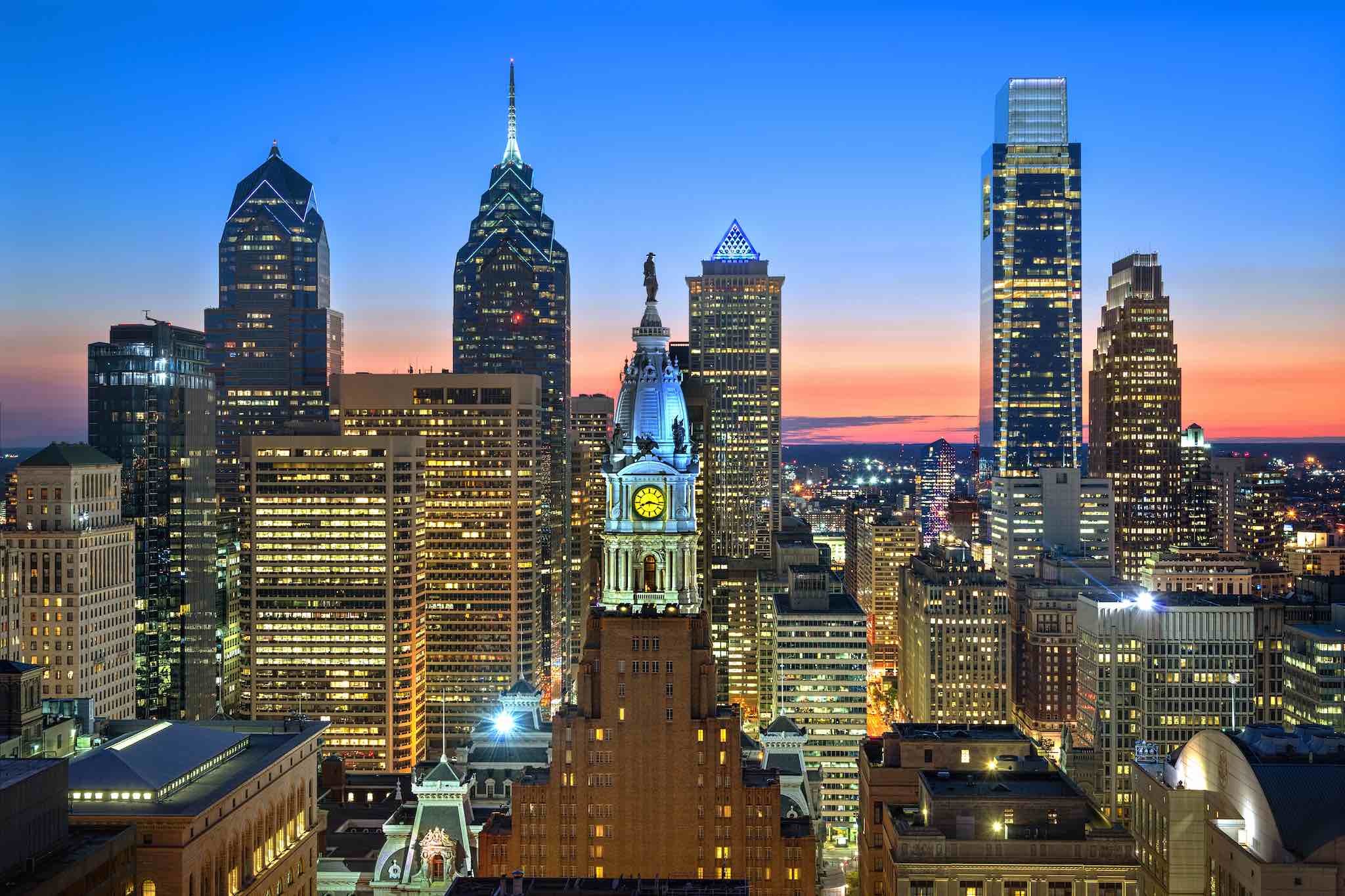
The 1980s changed how Philadelphia ate, breaking away from old-school neighborhood red-sauce joints and diners to build a modern restaurant culture. Before this decade, the city's food identity leaned heavily on working-class staples, Italian markets, and classic neighborhood taverns. During the '80s, a wave of ambitious chefs, neighborhood revivals in Center City and Rittenhouse Square, and new global flavors transformed Philadelphia into a serious American dining destination.
If you're looking at Philadelphia restaurants in the 1980s, you'll see a decade of transition where fine dining stopped being stuffy and local ingredients took center stage. Independent operators pushed past traditional boundaries, laying the groundwork for the city's later culinary boom.
The Spark of the Philadelphia Renaissance
For decades, Philadelphia's culinary reputation rested comfortably on comfort foods, greasy spoons, and ethnic enclaves like South Philadelphia's Italian Market. By the late 1970s and into the 1980s, real estate shifts, economic development in Center City, and a wave of culinary school graduates changed the equation.
Young entrepreneurs weren't content running replica French bistros or predictable steakhouses. They wanted to experiment with lighter preparations, local produce from nearby Pennsylvania farms, and fusion concepts that blended American techniques with global spices. This environment gave birth to independent spots that rewarded creativity over long-standing tradition.
Center City and Rittenhouse Square as Dining Hubs
Center City emerged as the geographic epicenter of this culinary shift. Rittenhouse Square and its surrounding blocks transformed from quiet residential neighborhoods into buzzing nighttime districts.
The Upscale Tavern and Bistro Culture
Classic establishments like McGillin's Olde Ale House anchored the city's historic pub scene, but the '80s brought a different class of gathering place. Eateries near Rittenhouse Square paired craft cocktails and extensive wine lists with menus that broke away from heavy, over-sauced plates. Diners wanted atmosphere, white tablecloths, and attentive service without traveling to New York City for a high-end meal.
Market Evolution and Specialty Food Shops
Specialty purveyors also adapted to the shifting palate of the decade. While places like Di Bruno Bros. on South 9th Street remained rooted in their Italian import heritage, they expanded their offerings to include gourmet cheeses, imported cured meats, and specialized ingredients that local home cooks and restaurant chefs alike demanded. This cross-pollination between retail markets and restaurant kitchens helped elevate the quality of ingredients across the board.
Key Shifts in Menu Design and Cooking Styles
The food on the plate underwent a dramatic overhaul during the 1980s. Several trends defined the decade's menus:
- Lighter Preparations: Chefs moved away from heavy cream-based reductions in favor of vegetable purees, broths, and fresh herb oils.
- Local Sourcing: Early pioneers started forging direct relationships with Pennsylvania agricultural producers, establishing a farm-to-table mindset long before it became a modern buzzword.
- Global Fusion: Asian, Mediterranean, and Latin flavor profiles began appearing on upscale menus, reflecting changing demographics and adventurous diners.
Challenges and Economic Realities
Running a restaurant in 1980s Philadelphia wasn't without hurdles. Center City experienced fluctuating commercial rent prices, and neighborhood revitalization was uneven. Restaurateurs had to navigate shifting urban demographics, strict licensing laws, and rising supply costs.
Independent operators who survived the decade did so by cultivating loyal local clienteles rather than relying solely on tourism. They treated regular diners like family, adapting their menus seasonally to keep neighborhood crowds coming back week after week.
Frequently Asked Questions
What defined the Philadelphia restaurant scene in the 1980s?
The decade was defined by a transition from traditional working-class eateries and diners to innovative, chef-driven independent restaurants, particularly around Center City and Rittenhouse Square.
Did Philadelphia have a farm-to-table movement in the 1980s?
While the exact term wasn't common yet, pioneering chefs in the '80s began sourcing ingredients directly from local Pennsylvania farms, setting the stage for the city's later agricultural partnerships.
How did neighborhoods like Rittenhouse Square change during this time?
Rittenhouse Square evolved into an upscale nightlife and dining district, attracting ambitious restaurateurs who wanted to open sophisticated bistros and modern American eateries.
What role did historic institutions play in the 1980s food scene?
Historic pubs, taverns, and specialty food markets bridged the gap by updating their offerings, stocking gourmet items, and catering to a public eager for international flavors.



