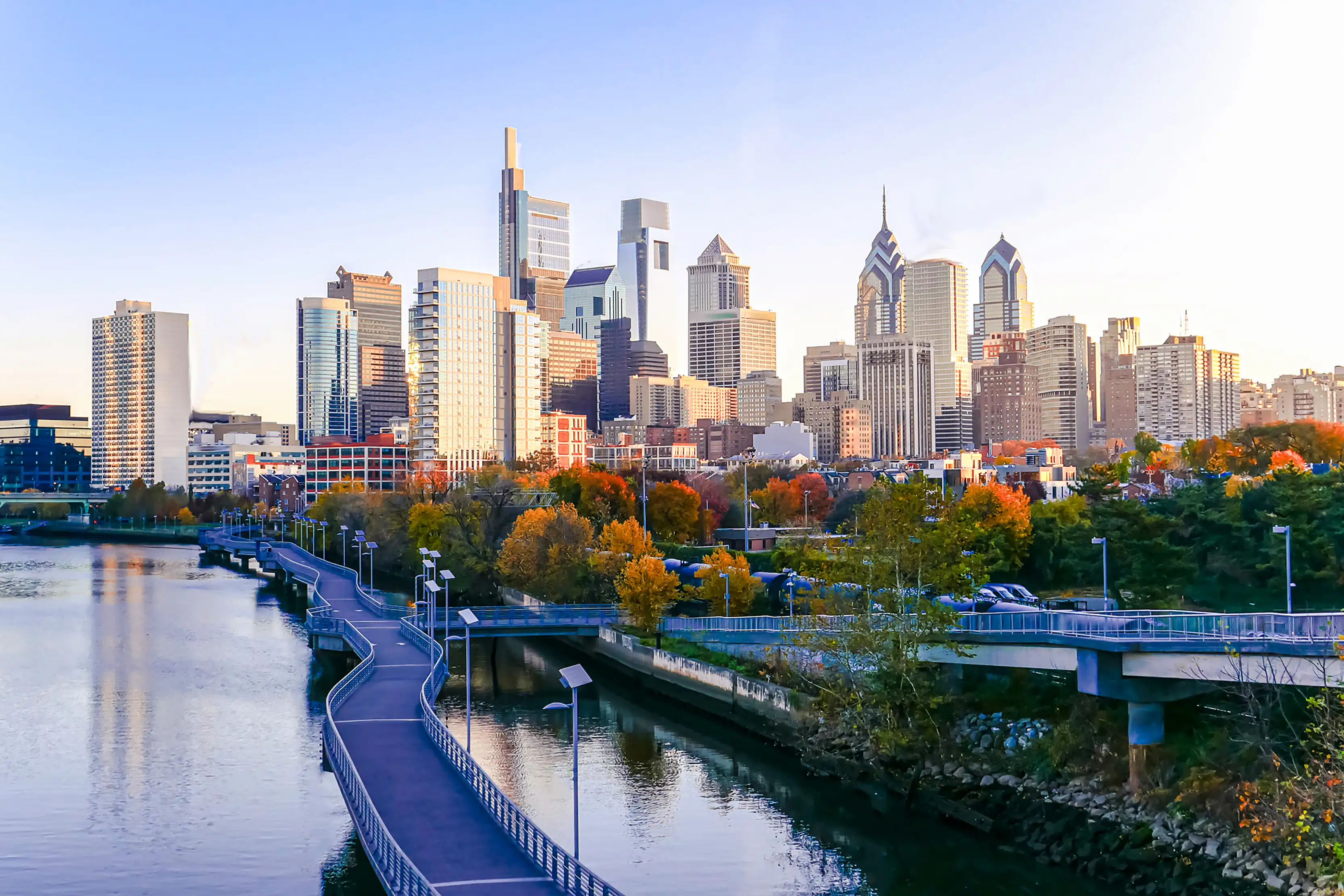
Navigating safety in Philadelphia requires looking past citywide statistics to understand block-by-block realities. The Philadelphia crime rate sits higher than the national average, but aggregate numbers don't tell the whole story for someone moving, visiting, or investing in the city. Risk levels fluctuate drastically depending on whether you're walking through the historic streets of Society Hill or navigating commercial corridors in North or West Philadelphia.
Understanding this urban landscape means breaking down official police data, neighborhood boundaries, and practical safety measures. Citywide figures provide a baseline, but the hidden map of risk is shaped by local micro-climates of crime, property trends, and targeted law enforcement efforts.
Decoding Philadelphia Crime Statistics
Citywide crime totals often skew public perception because a handful of concentrated districts drive a large share of violent offenses. According to the Philadelphia Police Department Crime Statistics, overall violent and property crime rates experience continuous shifts, with recent year-to-date tracking showing declines in homicides and total violent incidents. Even with these improvements, property crimes—such as motor vehicle thefts and retail thefts—remain persistent challenges across multiple zip codes.
When evaluating the data, criminologists separate offenses into two primary buckets:
- Violent Crime: Includes homicides, aggravated assaults, robberies, and rapes. These incidents cluster heavily in specific sections of North, West, and Kensington-adjacent districts.
- Property Crime: Includes burglaries, larcenies, and motor vehicle thefts. These crimes occur more uniformly across commercial strips and densely populated residential areas.
The overall probability of becoming a victim of any crime in Philadelphia sits around 1 in 19. However, that statistic flattens out stark disparities. Your actual exposure depends almost entirely on your specific neighborhood and daily routines.
Safest Neighborhoods in Philadelphia
Residential safety in Philadelphia concentrates heavily in the Far Northeast and select Northwest pockets, alongside stable residential enclaves in South Philadelphia. These areas feature lower crime volumes, active community organizations, and robust residential stability.
Bustleton and Somerton
Located in the Far Northeast, Bustleton and Somerton maintain crime rates well below the city average. Violent crime rates here drop significantly compared to central districts, and single-family homes with yards dominate the landscape. Residents benefit from quiet suburban-style blocks while remaining connected to the city via regional rail lines.
Chestnut Hill and Mount Airy
Nestled in Northwest Philadelphia near Wissahickon Valley Park, Chestnut Hill and Mount Airy offer historic charm paired with low violent crime rates. These communities feature tree-lined commercial avenues, independent shops, and local civic associations that prioritize public safety and neighborhood upkeep.
Rittenhouse Square and Society Hill
For those preferring Center City living, Rittenhouse Square and Society Hill represent some of the most secure urban cores. High foot traffic, private security patrols, and affluent residential demographics help maintain lower violent crime numbers than surrounding commercial corridors, though property crimes like bike thefts still require common-sense precautions.
High-Risk Areas and Zones of Concern
Conversely, certain neighborhoods experience severe concentrations of violent crime, open-air drug markets, and systemic economic distress. Recognizing these zones helps renters and buyers evaluate property investments accurately.
Kensington and Fairhill
The eastern sections of Kensington, particularly around the intersection of Kensington and Allegheny avenues, remain ground zero for the city's open-air narcotics trade and associated property crimes. While adjacent areas like Fishtown undergo rapid gentrification, parts of Kensington suffer from acute public health crises and elevated risks for street-level robberies.
Parts of North and West Philadelphia
Districts spanning Strawberry Mansion, Tioga-Nicetown, and parts of West Philadelphia (such as Mantua and Mill Creek) consistently report higher per-capita rates of aggravated assaults and shootings. Economic disinvestment over decades left these areas with fewer community resources and higher structural risk factors.
Property Crime Hotspots Across Center City
Even vibrant, trendy neighborhoods face distinct property crime challenges. While violent crime remains relatively low in areas like Fishtown, Northern Liberties, and Graduate Hospital, package thefts, catalytic converter thefts, and vehicle break-ins occur frequently.
Car owners in dense urban neighborhoods often struggle with street parking security. Leaving valuables visible inside a parked vehicle remains the primary trigger for window-smash thefts across South Philadelphia and Center City. Using secure garages or adopting strict vehicle-clearing habits mitigates this risk.
Practical Safety Strategies for Residents
Living or working in Philadelphia safely comes down to situational awareness and practical habits.
- Secure Your Vehicle: Never leave bags, electronics, or loose change visible on seats. Park in well-lit areas or secure lots whenever possible.
- Use Transit Wisely: During late-night hours, stay aware of your surroundings on SEPTA platforms and regional rail stations. Keep smartphones tucked away rather than holding them loosely near exit doors.
- Know Your Block: Crime patterns change block by block. Introduce yourself to neighbors, join local Town Watch groups, and plug into neighborhood-specific digital forums to stay informed about local incidents.
- Invest in Home Security: If you own property, install visible exterior lighting, smart doorbells, and reliable window locks to deter opportunistic property crimes.
Frequently Asked Questions
Is Philadelphia safe for tourists visiting historic sites?
Yes. Major tourist zones surrounding Independence Hall, the Liberty Bell, and Museum Mile feature heavy private and municipal security presence. Standard urban awareness—such as keeping wallets secure and avoiding unlit alleys late at night—ensures a safe visit.
How does SEPTA safety compare to driving?
SEPTA subways and buses move thousands of commuters daily without incident, but late-night ridership requires heightened alertness. Many commuters prefer regional rail or buses for late-night travel due to structured ticketing controls and lower incident rates.
Are property values rising in higher-crime neighborhoods?
Gentrification pushes investment into transitional neighborhoods like Brewerytown and Point Breeze. Property values often appreciate despite surrounding crime challenges, though buyers must carefully analyze specific micro-blocks before purchasing.
Which Philadelphia neighborhoods have the most active community policing?
Neighborhoods with strong Registered Community Organizations (RCOs), such as Queen Village, Bella Vista, and Mount Airy, maintain active communication lines with local police precincts to address quality-of-life issues swiftly.



