When you swallow a pill or receive an injection, a microscopic chain reaction begins across trillions of cells. Medications don't magically locate an ailment on their own; instead, they navigate the bloodstream, colliding with molecular structures to either restore health or trigger toxic side effects. Understanding how these chemical agents interact with biological systems reveals the fine line between therapeutic healing and accidental harm.
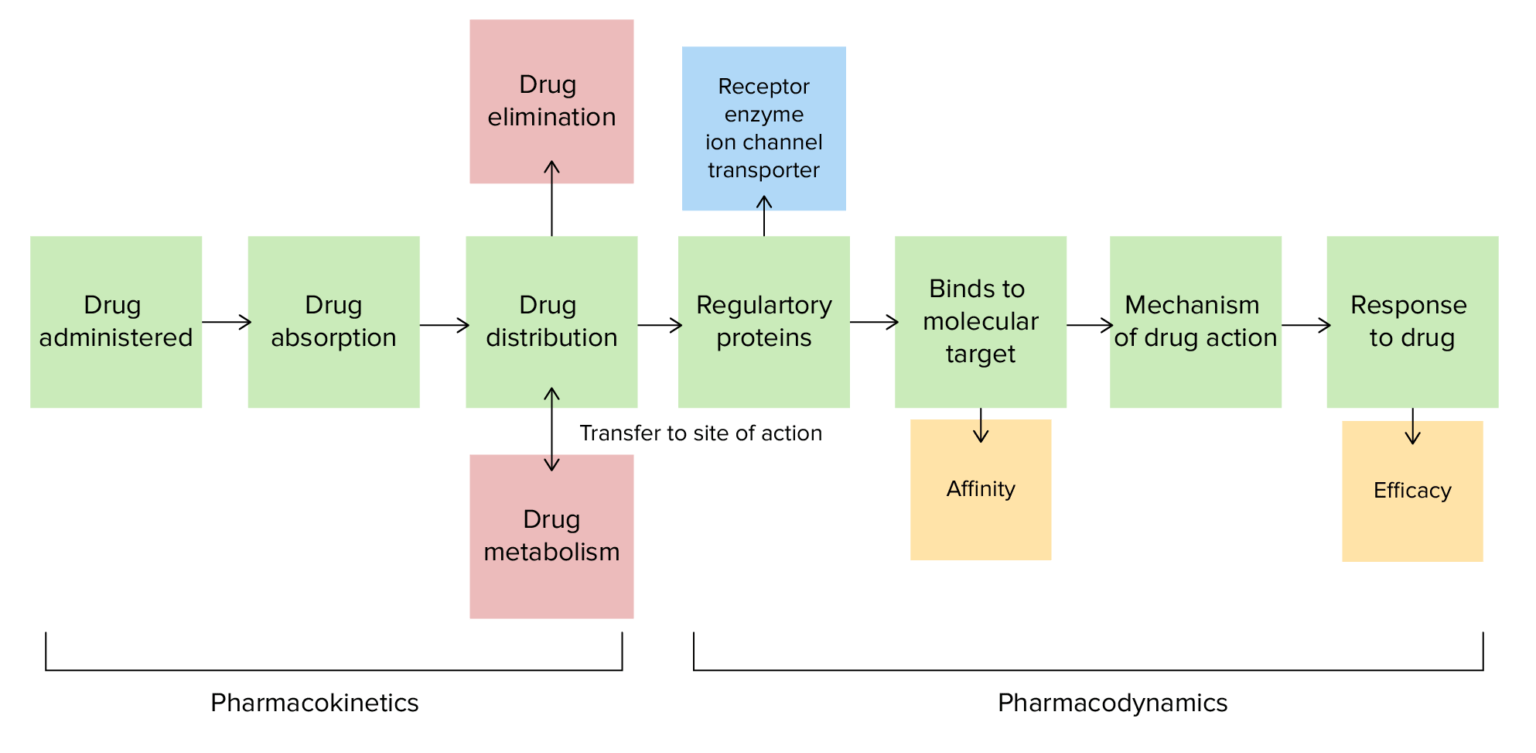
At its core, pharmacology splits into two major branches: pharmacokinetics, which tracks what the body does to a drug, and pharmacodynamics, which measures what the drug does to the body. Both processes dictate whether a treatment cures a condition or causes adverse reactions. Let's look at the mechanical journey of medications, how they alter cellular functions, and why individual biology changes the outcome.
Molecular Targets: Where Drugs Meet Biology
Drugs exert their primary effects by binding to specific macromolecules in the body, mostly proteins. These targets include cell-surface receptors, intracellular enzymes, carrier proteins, and ion channels. When a pharmaceutical compound fits into one of these targets like a key in a lock, it alters normal physiological activity.
- Receptor Agonists: These molecules mimic natural body chemicals, known as endogenous ligands, to turn a cellular process on. For example, opioid pain relievers bind to natural pain-modulating receptors to reduce discomfort.
- Receptor Antagonists: These block natural signals from attaching to receptors. Beta-blockers, for instance, block adrenaline from binding to heart receptors, slowing down heart rate and lowering blood pressure.
- Enzyme Inhibitors: Instead of receptor sites, these compounds target proteins that catalyze chemical reactions. By blocking an enzyme, the drug stops a harmful biochemical pathway from producing disease-promoting byproducts.
If a drug binds too loosely, it won't work. If it binds too tightly or to the wrong targets altogether, toxicity occurs. This selectivity challenge explains why side effects happen.
The Dual Nature of Drugs: Healing Versus Harm
Every therapeutic substance carries a potential for harm because molecular targets are rarely isolated to a single organ. A medication designed to open constricted airways in the lungs might also bind to receptors in the heart, causing unwanted spikes in heart rate or jitteriness.
The therapeutic window determines how safe a drug is. This metric measures the zone between an effective dose and a dangerously toxic dose. Drugs with a narrow therapeutic window, such as blood thinners or cardiac medications, require careful laboratory monitoring to prevent severe toxicity or organ failure.
Common mistakes in medication management often amplify these risks. Taking multiple medications without checking for metabolic competition can cause one drug to build up to toxic levels in the liver. Similarly, crushing extended-release tablets destroys the timed-release mechanism, dumping a full days worth of active ingredients into the bloodstream all at once.
Pharmacokinetics: Absorption, Distribution, Metabolism, Excretion
To understand how drugs affect you, you have to look at the journey they take through four distinct phases: absorption, distribution, metabolism, and excretion.
- Absorption: The drug enters the bloodstream from its site of administration, whether through the digestive tract, skin patches, or muscle tissue.
- Distribution: Blood flow carries the compound throughout the body, where it passes through tissue barriers to reach target cells.
- Metabolism: The liver acts as the primary chemical processing plant, altering the drug structure so it can eventually leave the system.
- Excretion: The kidneys filter out the processed metabolites, clearing them through urine or sweat.
Genetic variations in liver enzymes can drastically alter this pipeline. For example, some people metabolize certain antidepressant medications so rapidly that the drug clears before it can help. Others process them so slowly that normal doses accumulate into toxic levels. You can read more about safe medication practices through the U.S. Food and Drug Administration.
Frequently Asked Questions
Why do some drugs cause side effects in one person and not another?
Genetics, age, organ function, and concurrent diet or supplement use change how the body processes chemical compounds. Small variations in liver enzymes mean two people can take the exact same dose and experience vastly different blood concentrations.
What is the difference between an agonist and an antagonist?
An agonist binds to a cell receptor and activates a biological response, essentially mimicking natural hormones or neurotransmitters. An antagonist binds to that same receptor without activating it, blocking natural chemicals from attaching and shutting down that specific pathway.
Can food change how a medication works?
Yes. Certain foods contain chemical compounds that bind to drugs in the digestive tract, preventing absorption. For example, grapefruit juice inhibits specific intestinal enzymes, causing some cholesterol-lowering drugs to flood the bloodstream at dangerously high levels.
Why do some medications require blood tests?
Drugs with a narrow margin between safety and toxicity require regular monitoring of blood concentrations. This ensures the drug remains high enough to treat the condition without crossing into dangerous toxicity thresholds. You can explore clinical standards via the World Health Organization.



