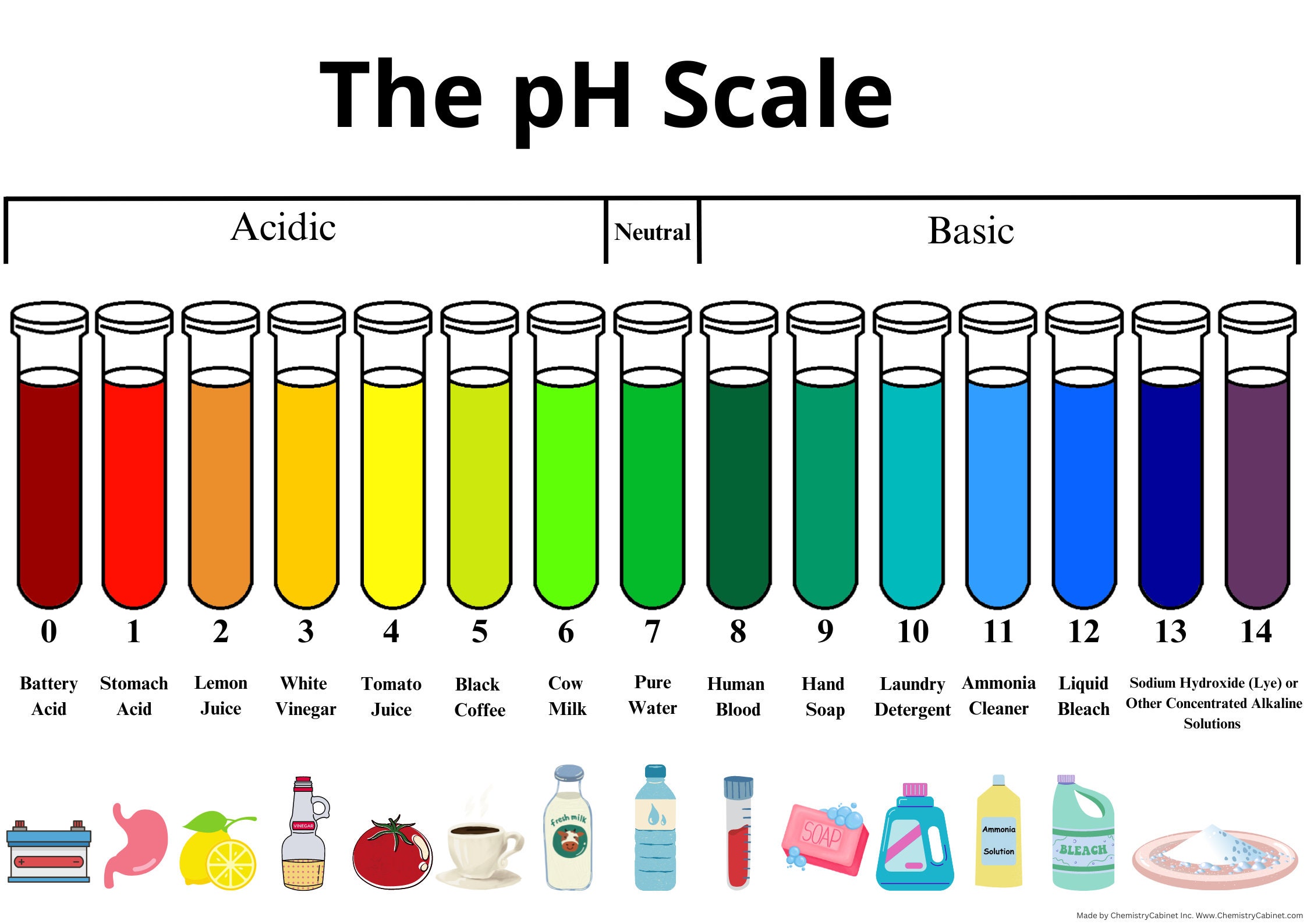
pH time refers to the daily, cyclical fluctuations of acid-base balance within bodily fluids like blood, saliva, and urine. While blood pH stays locked in a tight window between 7.35 and 7.45 for survival, internal tissues and metabolic byproducts experience predictable daily oscillations. These shifts aren't random; they are tied directly to your circadian clock, dietary habits, and rest-activity cycles.
Understanding this internal clock changes how you approach daily nutrition, training windows, and recovery. Instead of viewing acid-base balance as a static state, thinking in terms of pH time helps you match your eating and physical activity to your body's natural chemical peaks and valleys.
What is pH Time and How Does the Body's Clock Regulate It?
Your body doesn't maintain a single flat chemical state 24 hours a day. Cellular respiration, digestion, and physical exertion continually generate metabolic acids like carbonic acid and lactic acid. To manage this load, the suprachiasmatic nucleus in your brain coordinates with peripheral clocks in organs like the kidneys and liver. This master timing network anticipates your daily routines, adjusting how efficiently your body clears hydrogen ions and reabsorbs buffers like bicarbonate.
During periods of high physical activity, acid production spikes, temporarily lowering tissue pH. During sleep, your respiratory rate and renal filtration shift to clear accumulated metabolic waste, pushing your system toward a more balanced or mildly alkaline baseline by morning. This predictable daily rhythm is what researchers mean by pH time.
When your lifestyle conflicts with this internal clock—such as eating heavy, acid-forming meals right before sleep or exercising during deep rest phases—your physiological systems work harder to maintain equilibrium. Over time, chronic misalignment can increase metabolic stress and blunt athletic performance.
Daily pH Fluctuations: A Chronological Breakdown
To use pH time to your advantage, you need to map out how your body's internal chemistry shifts across a standard 24-hour cycle.
- Early Morning (Waking): Your system typically exhibits a mild acidic tilt upon waking. This is normal, resulting from overnight fasting, restricted breathing depth during sleep, and the accumulation of cellular metabolic byproducts.
- Post-Breakfast (Morning Alkaline Tide): Eating your first meal, especially one containing fresh produce, triggers an alkaline tide. As your stomach secretes hydrochloric acid for digestion, your small intestine and pancreas release bicarbonate into the bloodstream, raising systemic pH levels.
- Midday and Afternoon: Metabolism peaks during daylight hours. Physical movement and midday meals create minor, temporary drops in local tissue pH as energy production ramps up. Your kidneys actively filter and buffer these fluctuations to protect blood plasma stability.
- Evening (Post-Dinner): As digestion slows down and body temperature drops in preparation for rest, systemic acidity stabilizes. Light, nutrient-dense meals eaten early in the evening allow the digestive tract to wind down before sleep.
- Night (Sleep and Recovery): Deep sleep initiates intensive cellular repair and detoxification. Renal clearance rates adjust to excrete excess hydrogen ions, allowing your internal environment to restore its optimal buffering capacity.
Why the Timing of Your Nutrition Matters
Most nutritional advice focuses entirely on what you eat, ignoring when you eat relative to your metabolic clock. Acid-forming foods—such as animal proteins, grains, and processed items—require significant renal buffering. Alkaline-forming foods, including vegetables and fruits, supply precursors like potassium bicarbonate that help neutralize dietary acid loads.
Eating a high-protein, heavy meal late at night forces your digestive and renal systems to process an acid load precisely when your body is trying to transition into repair mode. Shifting heavier, acid-producing meals to earlier in the day supports natural circadian rhythms, reducing nighttime metabolic strain and improving sleep architecture.
For a deeper look into how circadian rhythms dictate biological functions, you can review the research compiled by the National Institute of General Medical Sciences.
Impact on Athletic Performance and Recovery
Athletes constantly battle metabolic acidosis during intense training. As glycolysis surges, hydrogen ions accumulate in muscle tissue, causing the burning sensation and fatigue that limit performance. Understanding pH time helps you optimize training and recovery windows.
- Pre-Training Buffering: Consuming alkalizing nutrients or specific performance aids ahead of strenuous exercise can help buffer extracellular acidity, delaying the onset of muscular fatigue.
- Intra-Workout Hydration: Maintaining proper hydration with electrolyte formulations supports renal blood flow, helping your kidneys clear metabolic waste efficiently while you train.
- Post-Exercise Recovery: Eating a balanced meal rich in complex carbohydrates and mineral-dense plant foods immediately after training restores glycogen stores and replenishes depleted bicarbonate buffers.
Ignoring these temporal windows can prolong recovery times and increase perceived exertion during consecutive training days. Aligning hard efforts with your biological peak hours maximizes both output and tissue adaptation.
Common Misconceptions About Body pH
The wellness industry has popularized several myths about acid-base balance that confuse the science of pH time. Clearing up these misconceptions helps you focus on practical, evidence-based habits.
- Myth: You can permanently change blood pH with diet. Your blood pH is strictly regulated between 7.35 and 7.45 by your lungs and kidneys. If blood pH strays outside this range, it's a medical emergency, not a lifestyle issue.
- Myth: Alkaline water cures chronic fatigue. While mineralized water can influence urinary pH or buffer stomach acid temporarily, it doesn't magically alter systemic tissue chemistry or override your internal clock.
- Myth: Acidic foods are inherently toxic. Acid-forming foods like lean meats and whole grains are rich in essential amino acids and micronutrients. The goal isn't to eliminate them, but to time them correctly alongside a high intake of alkaline-forming vegetables.
For more details on nutritional science and metabolic regulation, explore the resources provided by the Harvard T.H. Chan School of Public Health.
Practical Steps to Align with Your pH Clock
You don't need lab equipment to work with your body's internal timing mechanisms. Small daily adjustments can support your natural metabolic rhythms.
- Front-load your nutrition: Consume your largest, most protein-dense meals earlier in the day when your metabolic rate and digestive capacity are highest.
- Finish eating 3 hours before bed: Give your digestive tract and kidneys time to process incoming nutrients before you sleep, protecting your nighttime recovery window.
- Prioritize sleep consistency: Go to bed and wake up at the same time daily. Circadian disruptions impair renal acid excretion and disrupt metabolic efficiency.
- Increase vegetable intake: Pair every protein source with a generous portion of leafy greens or potassium-rich vegetables to naturally support your body's buffering systems.
Frequently Asked Questions
Can I test my pH time at home using saliva or urine strips?
Consumer test strips measure the pH of excreted fluids, which fluctuate wildly based on what you just ate, your hydration status, and stress levels. They do not reflect your internal blood pH or cellular metabolic efficiency, making them unreliable markers for health tracking.
How does chronic stress affect my body's acid-base balance?
Chronic psychological and physical stress triggers cortisol release, which increases blood glucose and metabolic byproducts. Sustained stress also alters breathing patterns—such as shallow chest breathing—which can impact carbon dioxide elimination and strain your body's natural acid-base buffers.
Does aging change how the body regulates pH time?
Yes. As you age, renal function naturally declines slightly, reducing the speed at which your kidneys clear metabolic acids. This makes older adults more sensitive to dietary acid loads and underscores the importance of hydration and proper nutrition timing.
Are there medical conditions that disrupt pH time?
Conditions like chronic kidney disease, severe sleep apnea, and uncontrolled diabetes directly impair the organs responsible for maintaining acid-base balance and circadian rhythmicity. In these cases, medical management is required to support internal regulation.



