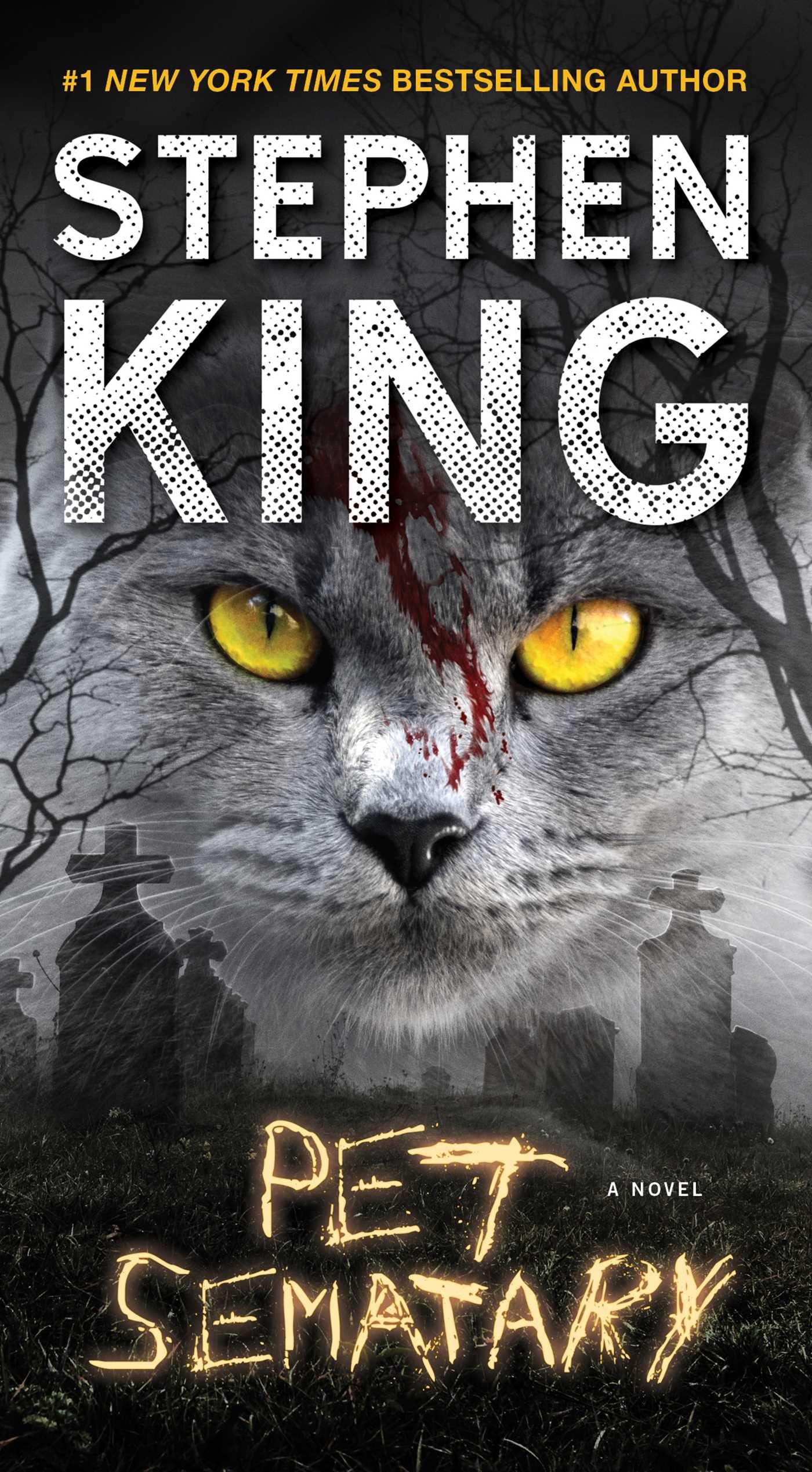
The misspelled word carved into a makeshift wooden sign in Stephen King's 1983 horror masterwork isn't just a quirky typo. The Pet Sematary meaning stretches far beyond a chilling plot device, serving as a profound literary exploration of human grief, denial, and our inability to accept the finality of death. When young children misspelled the word on their woodland burial ground, they created an enduring symbol that anchors the entire narrative's emotional weight.
At its core, the novel uses the burial ground not as a simple source of supernatural scares, but as a mirror reflecting parental despair, psychological trauma, and the universal urge to bargain with mortality. Understanding this dark symbol requires looking past the surface monsters to examine how real-world psychological pain drives the story forward.
The Linguistic Symbolism of the Misspelling
The intentional misspelling of "cemetery" as "sematary" immediately establishes a distinct perspective: that of childhood innocence crashing against absolute horror. Children build the animal burial ground in the woods, leaving their phonetic imprint on the weathered sign.
This linguistic choice does several crucial things for the narrative: For another look on this event, check out the recent coverage from Reuters.
- Innocence and Vulnerability: The misspelling reminds readers of the children who created the space, emphasizing their distance from adult comprehension of permanent loss.
- Distortion of Normal Rules: Just as the spelling breaks standard linguistic rules, the ground itself breaks the laws of nature, signaling that standard boundaries between life and death no longer apply.
- Childlike Permanence: Children take things at face value and spell words the way they sound. This blunt honesty contrasts sharply with the complex, adult deceptions surrounding dying and mourning.
By anchoring the supernatural gateway in a child-made plot of land, Stephen King grounds a terrifying fantasy in the genuine psychology of youth.
The Micmac Burial Ground and Ancient Corruptions
Beneath the pet cemetery lies an ancient Micmac burial ground, controlled by a malevolent entity known as the Wendigo. This layer of the mythology shifts the story from a simple ghost tale into a commentary on historical displacement and desecration.
The ground doesn't just resurrect bodies; it twists them. The physical transformation of anything buried there reflects an underlying moral and emotional decay. When Louis Creed buries his cat, Church, and later his young son, Gage, he isn't just bringing them back. He is forcing them through a corrupted filter that strips away their humanity.
This mechanism speaks directly to a central psychological truth: trying to reverse the irreversible never yields the original result. The things we claw back from loss are never quite the same. They carry a heavy, alien coldness, symbolizing how grief alters our memories and personalities when we refuse to let go.
Grief as the Real Monster
Many readers miss the deeper emotional resonance of the story by focusing solely on the horror elements. King wrote the novel during a period of intense personal anxiety, drawing inspiration from the near-tragic accident of his own young son running near a busy road, as well as the death of his daughter's pet cat.
Louis Creed's descent into madness isn't caused by ghosts alone; it's fueled by unmanageable grief. His denial manifests in specific stages:
- Shock and Disbelief: An inability to process the suddenness of fatal accidents.
- Desperation and Bargaining: Turning to dangerous, forbidden alternatives because the pain of absence feels physically unendurable.
- Isolation: Shutting out supportive voices, such as Jud Crandall's warnings, because acceptance requires too much suffering.
The burial ground acts as an externalized manifestation of human denial. It tempts us with the ultimate illusion: that love is strong enough to conquer the natural order.
Common Misinterpretations of the Story
When analyzing this classic work, readers often fall into a few specific traps that dilute its psychological power.
- Treating it as a standard zombie story: The resurrected beings aren't mindless undead shambling forward for a scare. They retain a mocking, malicious awareness, representing how unresolved trauma can warp our relationships with the past.
- Blaming Jud Crandall: While Jud introduces Louis to the secret ground, blaming him misses the point. Jud represents old-world folklore and community wisdom, which Louis ultimately ignores out of hubris and desperation.
- Viewing the ending as purely cynical: The grim conclusion is less about cheap shock value and more about the tragic necessity of acceptance. As discussed in literary analyses on Literary Hub, King's horror often serves a cathartic function, forcing readers to confront morbid realities they usually keep hidden.
Frequently Asked Questions
Why is cemetery spelled sematary in the title?
The spelling is a phonetic rendering by children who built the animal burial ground in the woods. It highlights the theme of childhood innocence meeting primal terror.
What does the Wendigo symbolize in the story?
The Wendigo represents ancient corruption, isolation, and the destructive nature of obsession. It feeds on human tragedy and preys upon those who refuse to accept loss.
Is the story based on real events?
While supernatural elements are purely fictional, Stephen King was heavily inspired by real-life scares involving his own children and pets while living near a busy highway in Maine.
Why couldn't Louis let go?
Louis represents the universal human flaw of hubris and the unbearable weight of sudden grief. His medical background makes his refusal to accept death even more pronounced, as he tries to logically solve an emotional impossibility.



