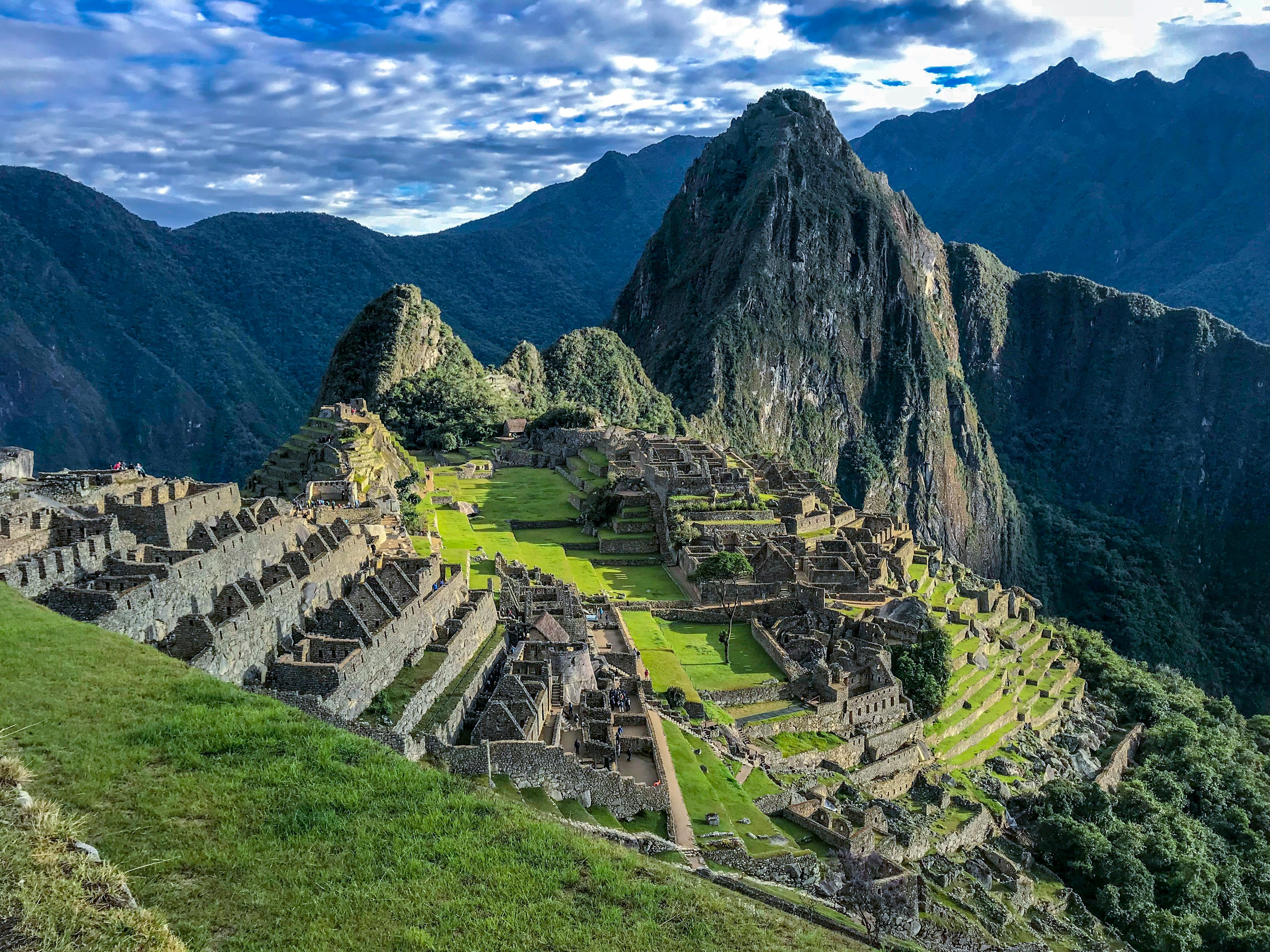
When people talk about South American rivalries, the conversation usually turns to Argentina and Brazil or the historic clashes of the River Plate. Yet, tucked away on the western edge of the continent lies a deep, complex, and multifaceted competition: the ongoing friction between Peru and Ecuador. This contest extends far beyond a 90-minute football match. It is rooted in decades of territorial dispute, cultural comparison, and modern athletic ambition.
Understanding this dynamic requires looking past the surface. While the two nations share deep Andean heritage, historical grievances, shifting borders, and intense sporting fixtures have shaped a unique neighborly tension. This piece breaks down the historical context, the resolution of old conflicts, and how the rivalry plays out today on the pitch and in everyday cultural exchange.
Historical Roots of the Territorial Conflict
The backbone of the historic friction between Lima and Quito traces back to the colonial era and the messy drawing of borders following independence from Spain. Vague colonial administrative boundaries, specifically regarding the Amazonian lowlands and the Marañón and Amazon river basins, left both young republics laying claim to the same tracts of jungle.
Throughout the nineteenth and twentieth centuries, these overlapping claims triggered multiple diplomatic crises and localized military confrontations. The most significant flashpoints included:
- The 1941 War: Sparked by unresolved border alignments in the Cordillera del Cóndor region, leading to a brief military conflict and the subsequent signing of the Rio Protocol of 1942.
- The Paquisha Incident of 1981: A minor border skirmish that reignited nationalist fervor in both countries when outposts were established in disputed zones.
- The Cenepa War of 1995: The final and most serious military conflict, fought in the rugged Cenepa River valley.
For generations, school textbooks in both countries fueled nationalistic narratives about lost territory. In Ecuador, the loss of direct sovereign access to the Amazon River following the 1942 protocol remained a painful national talking point for decades, creating an undercurrent of resentment that influenced political rhetoric for years.
The 1998 Peace Accord: Closing a Chapter
The trajectory of the relationship changed permanently in October 1998 with the signing of the Brasilia Presidential Act, which ratified a definitive peace treaty based on the Organization of American States framework and the mediation of guarantor nations (Argentina, Brazil, Chile, and the United States).
Instead of redrawing the international boundary in a way that favored one side entirely, the agreement established pragmatic compromises:
- Peru granted Ecuador permanent sovereign ownership of a one-kilometer-square tract of land named Tiwinza within Peruvian territory, designated for commemorative and non-military use.
- Both governments committed to binational development projects, ecological protection of the Amazon headwaters, and free-navigation rights for commercial vessels on the Amazon.
- Demarcation pillars were finally placed along the entire border, legally ending the territorial dispute that had lingered for over 160 years.
This diplomatic breakthrough effectively transformed a military rivalry into a diplomatic and economic partnership. Trade agreements through the Andean Community (CAN) increased cross-border commerce, turning former enemies into crucial economic allies.
The Modern Athletic Arena: El Clásico del Pacífico
With the border settled, the competitive energy shifted almost entirely to the sports world. When the national football teams face off in CONMEBOL World Cup qualifiers or the Copa América, the matches carry intense emotional weight for fans.
In South American football, Peru and Ecuador occupy a fascinating middle ground. Neither traditionally commands the global hegemony of Brazil or Argentina, but both are regional powerhouses capable of upsetting giants.
- Tactical Contrasts: Peruvian football has historically favored technical, possession-based play built around short passing and individual flair. Ecuadoran football relies on high athletic intensity, physical strength, speed down the flanks, and robust defensive organization.
- Recent Encounters: Fixtures between La Blanquirroja and La Tri are notoriously tight. Recent World Cup qualification cycles showcase the razor-thin margins between the squads, featuring hard-fought draws and single-goal victories that keep qualification races volatile until the final matchday.
Cultural Parallels and Culinary Rivalry
Beyond sports and politics, Peru and Ecuador share deep pre-Columbian roots tied to the Inca Empire and earlier Andean civilizations. Yet, modern cultural comparison often revolves around lifestyle, tourism, and gastronomy.
Peruvian cuisine achieved global fame over the last two decades, scaling international restaurant rankings with dishes like ceviche, lomo saltado, and causa. Meanwhile, Ecuadorian cuisine boasts incredible regional diversity—from coastal bolón de verde to Andean locro de papa—and produces some of the world's finest single-origin dark chocolate. While Peru often captures the global culinary spotlight, Ecuador's rich biodiversity and culinary traditions provide a fierce point of national pride.
Common Misconceptions About the Rivalry
Outsiders frequently misinterpret the nature of modern relations between the two countries. Clearing up these assumptions highlights how far the relationship has evolved:
- Myth: The border remains militarized and tense. Reality: The frontier is fully demarcated, and citizens cross freely for trade, tourism, and family ties without friction.
- Myth: The football rivalry stems directly from the 1995 war. Reality: While historical memory influences fan passion, modern matches are driven by standard CONMEBOL qualification pressures and regional pride rather than geopolitical hostility.
- Myth: One country completely dominates the other economically. Reality: Both economies rely heavily on commodity exports, and their mutual trade agreements foster a balanced, interdependent commercial relationship.
Frequently Asked Questions
Why did Peru and Ecuador fight historic wars?
The conflict originated from vague colonial administrative boundaries left behind by the Spanish Empire. Both newly independent nations laid claim to overlapping expanses of the Amazon basin, leading to recurring border clashes culminating in the 1995 Cenepa War.
When was the border dispute officially resolved?
The dispute officially ended on October 26, 1998, when Peru and Ecuador signed a comprehensive peace treaty in Brasília guaranteed by Argentina, Brazil, Chile, and the United States.
Who has the better record in head-to-head football matches?
Historical head-to-head records lean slightly toward Ecuador in competitive modern qualifiers, though fixtures are traditionally close, low-scoring, and fiercely contested.
Are citizens able to travel freely between Peru and Ecuador?
Yes. Nationals of both countries can cross the border easily using national identity documents under Andean Community freedom-of-movement agreements, making tourism and business straightforward.



