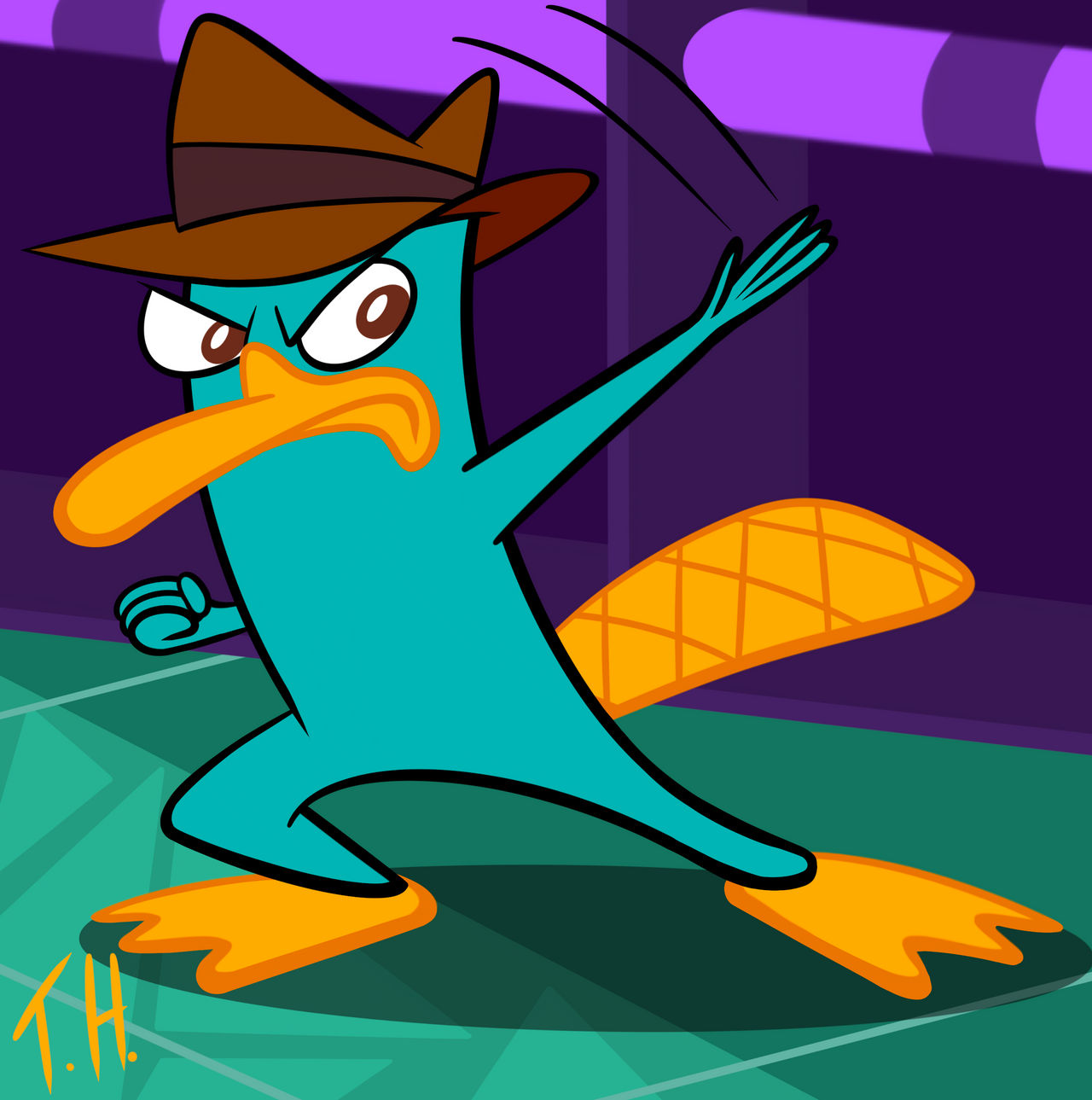
Perry the Platypus, also known by his secret agent codename Agent P, is one of modern animation's most recognizable characters. Appearing as the teal-hued, fedora-wearing secret agent in the Disney Channel hit series Phineas and Ferb, he manages to balance a suburban life as an oblivious family pet with high-stakes espionage. Yet the character's charm stems from a clever blend of real-world biological oddities and animated absurdity. Real platypuses possess some of the most bizarre traits in the animal kingdom, making them a natural choice for creators Dan Povenmire and Jeff "Swampy" Marsh when they wanted an unconventional cartoon animal.
Understanding the phenomenon requires looking at both sides of the coin: the strange evolutionary biology of the actual Australian monotreme and the television craft that turned an egg-laying mammal into a pop-culture icon.
Real Wildlife: The Bizarre Biology of the Platypus
Long before donning a fedora to battle Dr. Heinz Doofenshmirtz, the platypus (Ornithorhynchus anatinus) baffled European naturalists. When specimens were first sent back to Great Britain in the late 18th century, scientists thought it was a hoax stitched together from different animal parts.
Real platypuses live in eastern Australia, including Tasmania, inhabiting freshwater rivers and streams. They spend a significant portion of their time burrowing in riverbanks and hunting underwater. Several key traits define their survival:
- Monotreme Reproduction: Platypuses are monotremes, meaning they are mammals that lay eggs instead of giving birth to live young. After hatching, the young feed on milk secreted through the mother's skin, as platypuses lack nipples.
- Electroreception: While hunting underwater with their eyes, ears, and nostrils tightly closed, platypuses rely on electroreception. Specialized receptors in their bill detect tiny electrical currents produced by the muscle movements of freshwater shrimp and insect larvae.
- Venomous Spurs: Male platypuses possess sharp, hollow spurs on their hind ankles connected to venom glands. While the venom isn't fatal to humans, it causes excruciating pain that resists standard painkillers.
- Webbed Feet and Specialized Fur: Their dense, waterproof brown fur traps a layer of air to keep them insulated in cold water. When they walk on land, their webbed toes fold back to expose sharp claws for digging.
The Birth of a Disney Sensation
Co-creators Dan Povenmire and Jeff Marsh conceived Phineas and Ferb in the 1990s, searching for a signature character who could anchor the show's B-plots with fast-paced action. They selected a platypus intentionally because public awareness of the animal was low, giving them creative freedom to invent cartoonish traits without violating viewer expectations.
When the show premiered in 2007, Perry instantly subverted tropes. In the Flynn-Fletcher household, he acts vacant, staring blankly with eyes pointing in opposite directions. The moment he steps out of sight, he stands upright, dons a brown fedora, and drops down a secret chute to receive briefings from Major Monogram at the O.W.C.A. (Organization Without a Cool Acronym).
Voiced almost entirely through subtle vocal effects by voice actor Dee Bradley Baker—primarily a distinct rattling click of his bill—Perry proves that a character doesn't need dialogue to steal the spotlight. His rivalry with the bumbling, well-meaning antagonist Dr. Doofenshmirtz anchors the emotional and comedic rhythm of nearly every episode, culminating in the iconic, frustrated shout: "Curse you, Perry the Platypus!"
Cultural Impact and Evolution of Agent P
Over two decades, Perry transcended traditional television. The character anchors theme park appearances, video game crossovers such as Disney Infinity, and expanded media formats like the short-form series Agent P, Under C. Fans embraced the catchy theme song written by the creators, which famously dubs him a "semi-aquatic, egg-laying mammal of action".
For further reading on the real-world animal, visit the Australian Museum Platypus Guide, or explore the animation background on the Disney Wiki.
Common Mistakes to Avoid When Writing About Platypuses
When fans or writers discuss platypuses—both real and fictional—certain misconceptions frequently pop up. Avoiding these errors keeps the facts straight:
- Calling them marsupials: Platypuses are monotremes, not marsupials. They share no evolutionary overlap with kangaroos or koalas.
- Assuming females are venomous: Only male platypuses carry functional venom spurs on their ankles.
- Thinking Perry speaks human language: In the show, Perry communicates exclusively through animal sounds and body language; humans only understand him through context or contextual gadgets.
Frequently Asked Questions
Why does Perry wear a fedora?
The fedora serves as a classic visual shorthand for a film noir private investigator or secret agent. In the show's universe, the running joke is that characters don't recognize Perry as a dangerous operative until he puts the hat on.
Are real platypuses dangerous to humans?
Wild platypuses are shy and rarely attack unless handled. However, a defensive strike from a male's ankle spur delivers severe, long-lasting pain due to its specialized venom.
Can you keep a platypus as a pet?
No. Platypuses are protected native wildlife in Australia. They have specialized dietary needs, aquatic habitats, and stress sensitivities that make them impossible to keep in private captivity.
Where can I watch Phineas and Ferb?
The complete series, including movies and specials, streams on Disney+.



