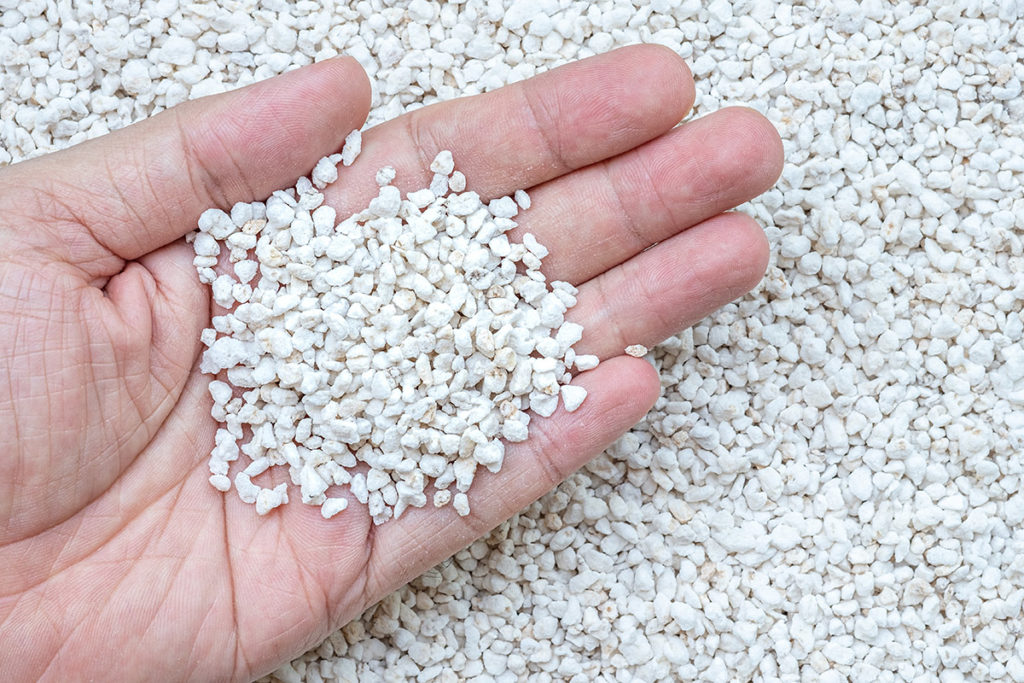
If you've ever dug your fingers into a bag of commercial potting mix, you've likely spotted those feather-light, white volcanic rocks. That material is perlite, a staple amendment used to lighten dense earth and protect plant roots from drowning. Yet, while it's celebrated for boosting aeration and drainage, it brings distinct drawbacks that catch many gardeners off guard. Weighing the real perlite advantages and disadvantages helps you decide whether it belongs in your garden beds, indoor containers, or seed-starting trays.
At its core, perlite starts as an amorphous volcanic glass. When heated rapidly to extreme temperatures, trapped water molecules inside the rock turn to steam, causing the mineral to pop and expand up to twenty times its original size. This industrial expansion creates a honeycomb network of tiny surface cavities that repel water on the outside while trapping air and modest amounts of moisture within. Understanding how this material functions requires looking closely at both its strong points and its limitations.
The Core Advantages of Perlite
Perlite earned its popularity for practical reasons. When blended into heavy potting substrates, it transforms the physical behavior of the growing environment.
Superior Aeration and Drainage
Dense soils pack tightly together, choking off oxygen and suffocating delicate root networks. Perlite particles act as tiny wedges that prevent compaction, creating permanent air channels throughout the mix. Water flows freely past these coarse fragments, drastically cutting down the risk of standing water and subsequent root decay.
Feather-Light Handling
Unlike sand, gravel, or heavy clay additives, perlite adds virtually zero weight to containers. This makes it invaluable for large patio pots, hanging baskets, and rooftop gardens where structural load matters. Lifting, shifting, and rearranging potted plants becomes significantly easier when perlite replaces heavier aggregates.
Chemical Inertness and Stability
Perlite features a neutral pH and contains virtually no active chemical compounds. It won't alter the chemical balance of your soil, burn tender plant tissue, or decompose over time. Unlike organic amendments like bark or compost that break down within a season, perlite remains structurally intact year after year. It is also completely sterile right out of the bag, meaning it won't introduce weed seeds or soil-borne pathogens into your propagation trays.
The Hidden Disadvantages of Perlite
Despite its utility, perlite has several structural and environmental drawbacks that frustrate growers.
Dust and Respiratory Hazards
The manufacturing process and transport of perlite create a fine, powdery dust. Inhaling this dust irritates human airways and lungs. While horticultural perlite is generally free of toxic crystalline silica, handling dry bags in enclosed spaces requires wearing a protective dust mask to avoid coughing and throat irritation.
Floatation and Separation
Because perlite is exceptionally light and buoyant, it disobeys gravity during heavy watering. Over time, frequent top-watering washes fine perlite particles upward, causing them to float to the surface of the pot and form an unsightly crust. This separation leaves the deeper root zone stripped of its intended aeration benefits.
Lack of Nutrient Retention
Perlite's smooth, sterile surface structure means it cannot hold onto mineral ions or fertilizers effectively. While it retains a small amount of surface moisture, it acts as a blank slate nutritionally. Plants grown in high-perlite setups rely entirely on external feeding programs since the amendment itself contributes zero macro or micronutrients.
Environmental and Cost Concerns
Extracting and expanding volcanic glass is an energy-intensive industrial process. Furthermore, imported perlite can carry a noticeable price tag when purchased in bulk for large agricultural operations. Gardeners operating on a tight budget often find continuous purchasing of premium perlite bags expensive compared to local compost or aged manure.
How to Use Perlite Effectively
Maximizing the benefits of perlite requires proper mixing techniques. For standard indoor houseplants or tropical species, a ratio of ten to twenty percent perlite blended with peat moss or coco coir provides an ideal balance. Succulents and cacti demand much higher proportions—often up to fifty percent—to mimic their native, fast-draining rocky environments.
Always dampen dry perlite slightly inside the bag before mixing it into your soil. This simple habit cuts down airborne dust instantly, protecting your lungs. When filling containers, leave a small space at the top and consider adding a thin decorative layer of gravel or heavier bark mulch to keep the buoyant white pieces from floating away during watering.
Perlite Alternatives Worth Considering
If perlite's drawbacks outweigh its perks for your specific project, several alternative amendments deliver similar structural benefits:
- Pumice: A heavier volcanic stone that provides excellent drainage and aeration without floating to the surface. It is ideal for permanent outdoor containers and heavy cacti.
- Vermiculite: Another expanded mineral, but with a sponge-like structure that holds onto water and nutrients rather than shedding them. It suits seed-starting mixes that require consistent moisture.
- Rice Hulls: An organic, renewable byproduct from rice milling that increases air space in potting soils similarly to perlite before slowly breaking down over time.
For more detailed insights on soil composition, check the guidelines provided by the Royal Horticultural Society.
Frequently Asked Questions
Can plants grow in perlite alone?
Yes. Because it provides structural support and holds air, you can root cuttings or grow mature plants entirely in pure perlite using hydroponic systems. However, because it lacks nutrients, you must supply a complete liquid fertilizer solution regularly.
Does perlite cause root rot?
Perlite itself doesn't cause root rot. In fact, by improving soil aeration and drainage, it helps prevent the stagnant, soggy conditions where root-rotting pathogens thrive. Root rot usually occurs due to overwatering, tight drainage holes, or poor overall soil structure.
Is perlite safe for organic gardening?
Yes. Perlite is a natural mineral product derived from volcanic rock, making it fully approved for certified organic crop production and gardening.
How can I stop perlite from floating to the top of my pots?
You can minimize floating by moistening the soil thoroughly from the bottom up—placing the pot in a tray of water until moisture wicked upward. Alternatively, top your potting mix with a thin layer of decorative aquarium gravel or coarse sand.



