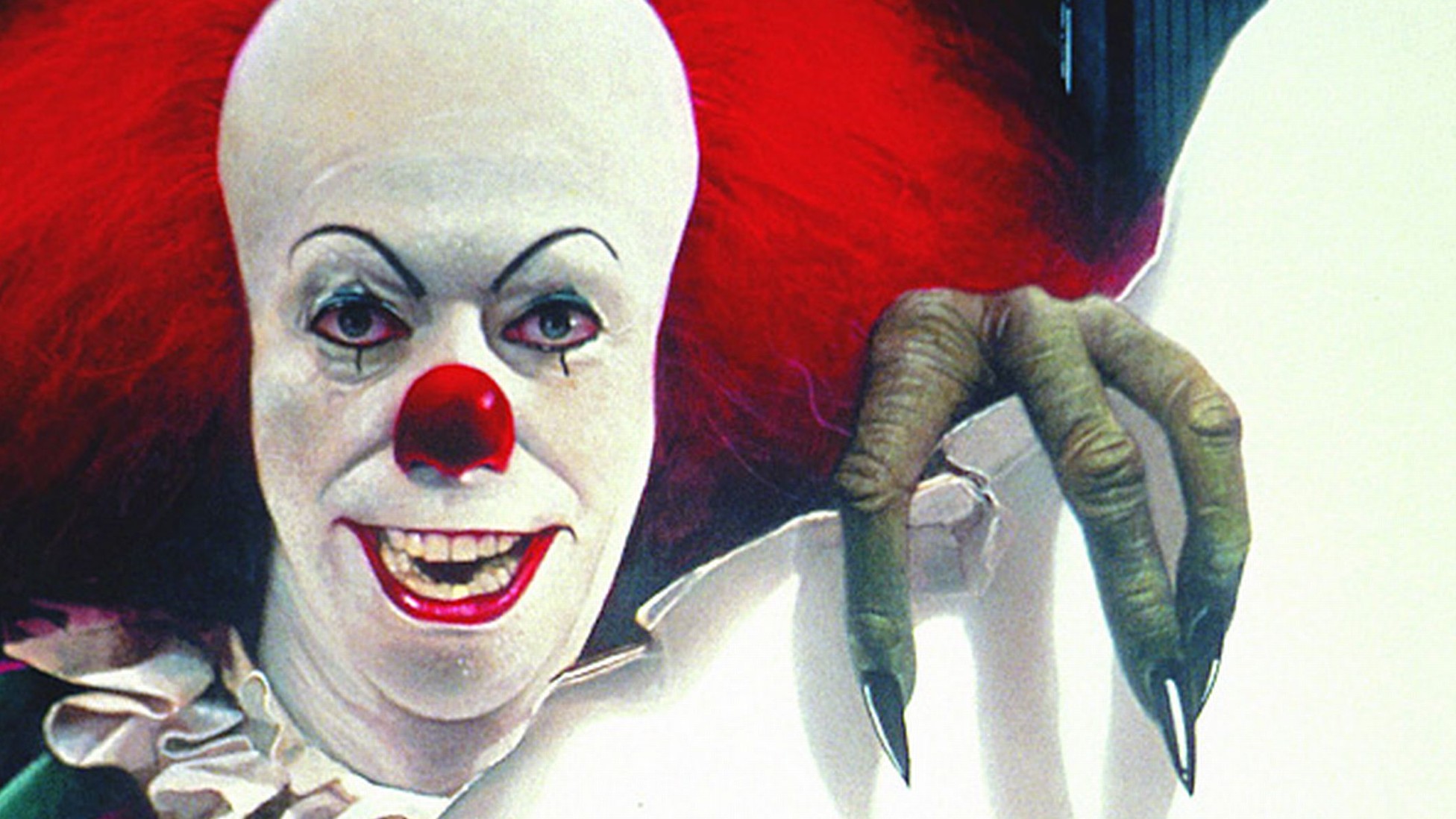
Fear has a face, and for generations of readers and filmgoers, it wears white greasepaint, a silver-dollar smile, and a ruffled silk suit. Stephen King introduced Pennywise the Dancing Clown in his 1986 epic novel IT, cementing a terrifying new archetype in modern horror. While clowns were traditionally figures of slapstick joy and birthday-party amusement, King weaponized childhood innocence, transforming a symbol of fun into an ancient, shape-shifting entity that feeds on terror.
At its core, the appeal of this creature goes far beyond cheap jump scares. The monster works because it taps into primal childhood vulnerabilities, preying on loneliness, isolation, and the terrifying certainty that adults won't believe you. Whether you discovered the character through the page, the 1990 miniseries starring Tim Curry, or Andy Muschietti's modern film adaptations, the figure of Pennywise remains a cultural touchstone for how horror can explore real psychological trauma.
Origins and Mythology of IT
To understand the creature, you have to look beyond the makeup. In the cosmology of Stephen King's universe, the entity known as IT is an ancient, cosmic predator that arrived on Earth millions of years ago, crashing into the territory that would eventually become the town of Derry, Maine.
The entity is not actually a clown. It is an extraterrestrial, interdimensional being originating from a void of competing realities known as the Macroverse. Its true form is beyond human comprehension, which is why mortal minds try to process it through the closest available concepts. The closest human equivalent to its true nature exists as a mass of writhing, dead lights—a concept King calls the deadlights. Looking directly into the deadlights drives humans instantly insane or kills them outright.
The clown persona, specifically named Pennywise the Dancing Clown (or Bob Gray), is simply a preferred hunting disguise. Derry is a town built on industry and stagnation, prone to cycles of horrific violence followed by decades of eerie silence. Every twenty-seven years or so, the entity wakes up from hibernation, feeds on the fear and flesh of the town's children for a year or two, and then goes back to sleep.
Why a Clown?
You might wonder why an ancient cosmic spider-thing chooses to dress up as a circus performer. The answer lies in psychology. Clowns occupy a strange space in human culture. They are supposed to be funny, but their painted smiles, exaggerated features, and unpredictable behavior often trigger deep unease, a phenomenon psychologists recognize as the uncanny valley.
By taking the shape of a clown, the entity bridges the gap between safety and danger. Children are naturally drawn to circuses, balloons, and entertainment, making the disguise an effective trap. Furthermore, clowns appeal directly to kids while remaining completely unbelievable to adults, ensuring that when children try to report sightings of a monster living in the storm drains, older residents dismiss it as an active imagination.
The Psychology of Fear in Derry
Stephen King structured IT around a profound thematic argument: fear has a specific taste, and children taste better to the monster because their fears are simpler, more vivid, and less contaminated by rationalization.
When the entity hunts, it doesn't just eat its victims physically; it marinates them in terror first. Fear makes the meat taste better, metaphorically speaking. This is why the monster takes on personalized shapes tailored to each member of the Losers' Club. For Eddie Kaspbrak, whose mother keeps him sick with hypochondria, IT becomes a rotting leper oozing disease. For Beverly Marsh, IT manifests as a sink overflowing with blood that only children can see. For Ben Hanscom, it turns into a glowing-eyed mummy stalking the frozen canal.
This personalization reveals the narrative brilliance of the character. The monster is a mirror reflecting the deepest anxieties of youth. The kids in Derry don't just fight an alien clown; they fight their own feelings of inadequacy, abuse, neglect, and helplessness.
The Power of Belief and Friendship
You can't defeat an ancient cosmic entity with ordinary weapons. In the mythology of the novel, the creature is bound by the physical rules of whatever form it chooses to wear. If it becomes a werewolf, silver bullets can hurt it. If it becomes a vampire, it reacts to traditional folklore weaknesses.
More importantly, the monster is defeated by collective willpower and imagination. The Losers' Club bonds together through shared trauma and fierce loyalty. Their unwavering belief in one another creates a counter-energy to the entity's malice. In the climax of their childhood battles, they use the Ritual of Chud—a metaphysical battle of wills—to weaken the monster. It's a reminder that childhood friendships possess a resilience that adults often lose over time.
Evolution of the Character on Screen
The visual interpretation of Stephen King’s creation has evolved significantly since the book's publication, reflecting changes in special effects and cultural anxieties about horror.
+--------------------+---------------------------------------------+
| Era / Adaptation   | Visual Style & Approach                     |
+--------------------+---------------------------------------------+
| 1986 Novel         | Shape-shifter, silver suit, orange pom-poms |
+--------------------+---------------------------------------------+
| 1990 Miniseries    | Tim Curry: theatrical, colorful, manic      |
+--------------------+---------------------------------------------+
| 2017/2019 Films    | Bill Skarsgård: antique, feral, unsettling  |
+--------------------+---------------------------------------------+
Tim Curry’s portrayal in the 1990 television miniseries relied heavily on classic theatricality, bright primary colors, and a manic, high-energy performance that felt like an unhinged birthday party entertainer gone wrong. It terrified an entire generation of television viewers and permanently damaged the public perception of friendly party clowns.
Decades later, director Andy Muschietti reimagined the character for the modern silver screen. Bill Skarsgård’s version leaned into a historical, antique aesthetic, drawing inspiration from Renaissance, Elizabethan, and Victorian clown costumes to emphasize the character's ancient, non-human origins. Skarsgård added physical ticks, a slight drool, and independently wandering eyes that gave the performance an eerie, predatory authenticity. You can read more about the cultural impact of cinematic horror villains through analyses published by outlets like Rolling Stone.
Common Misconceptions About the Character
Pop culture has distilled Stephen King’s creation into a few shorthand tropes, leading to several persistent misunderstandings.
- It is just a clown: Many casual fans assume the creature is fundamentally a supernatural clown. In reality, the clown is just one costume among dozens. Its true form is amorphous and ancient.
- It only targets children: While children are its preferred prey because their fear is easier to harvest, the entity also influences the adults of Derry, turning them blind, cruel, or indifferent to the horrors happening in their town. The town itself becomes an extension of the monster.
- It can never be destroyed: Fans often debate whether the entity is truly gone for good at the end of the narrative. Within the established lore of Stephen King's expanded universe—which connects to works like The Dark Tower—cosmic entities of this magnitude leave echoes, though the specific physical avatar in Derry was definitively conquered.
Frequently Asked Questions
What is Pennywise's real name?
The creature has no human name. It is an ancient cosmic entity from the Macroverse. Within the context of the story, characters sometimes refer to it simply as IT. The clown persona uses the alias Bob Gray, and children often call it the dancing clown.
Why does the monster sleep for 27 years?
The hibernation cycle is tied to its feeding habits and digestion. The entity goes on a brutal feeding frenzy for roughly a year or two, causing spikes in missing children rates in Derry, and then enters a dormant sleep state lasting approximately 27 years to process its meal and allow the town to repopulate.
Is IT an alien or a demon?
IT is technically an ancient extraterrestrial being that predates human civilization on Earth. While its powers feel supernatural, magical, and god-like, its origin is cosmic rather than strictly theological or demonic.
How do the children finally defeat it?
The children defeat the physical avatar through a combination of unwavering courage, deep friendship, and a metaphysical confrontation called the Ritual of Chud. In their adult rematch, they rely on unity, shared memories, and the sheer power of standing together against their childhood trauma.



