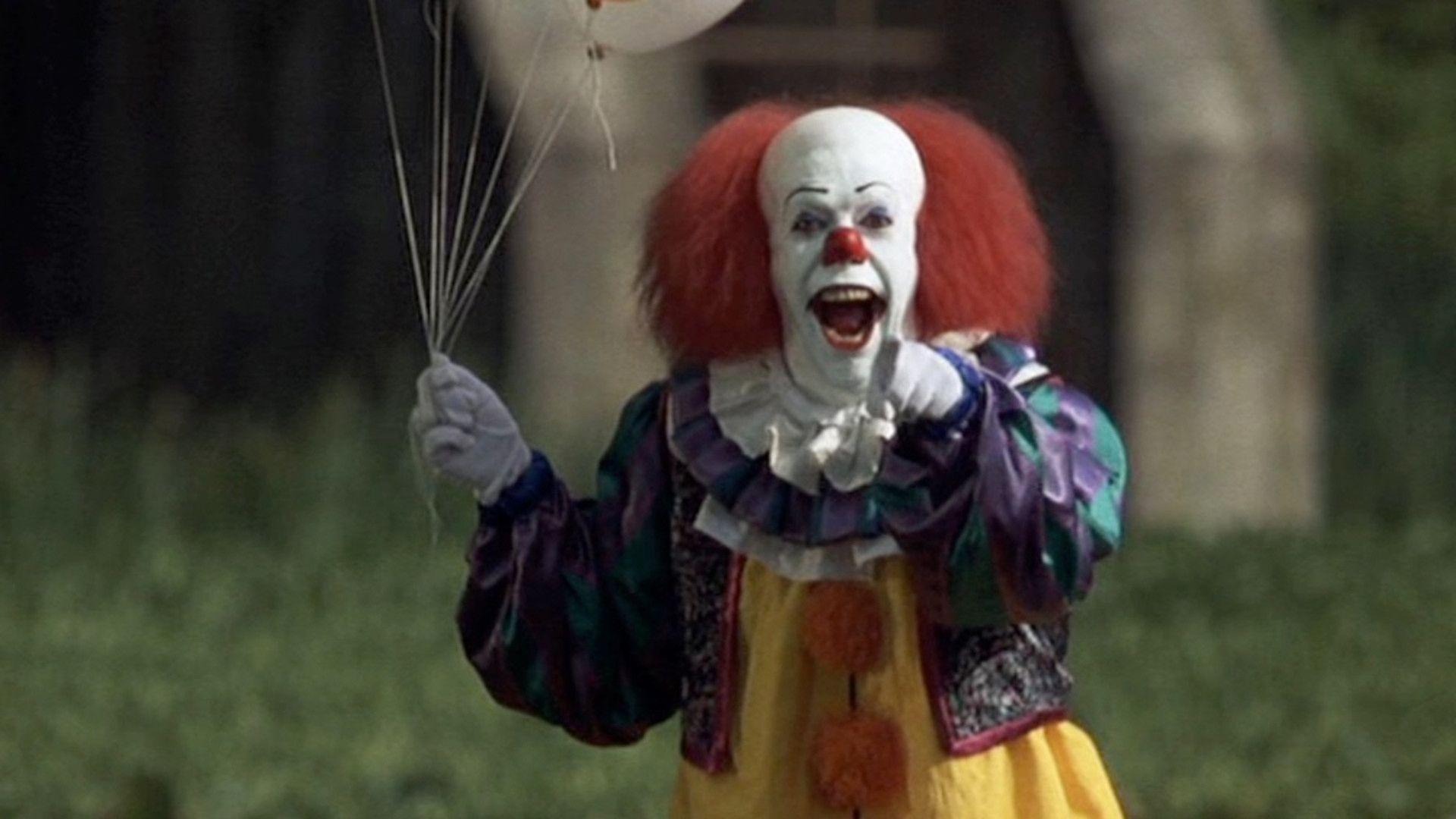
Pennywise the Dancing Clown isn't human. Stephen King's iconic monster is an ancient, extraterrestrial entity from a void outside the physical universe known as the Macroverse. Yet, readers and moviegoers continue to ask whether the shape-shifting creature had a human past. This confusion stems from the entity's deep psychological hold over the town of Derry and its ability to mimic human faces, fears, and flaws.
Understanding the true nature of IT requires looking past the greasepaint and red balloons. The creature is an apex predator that arrived on Earth millions of years ago, long before humans walked the planet. Let's examine the cosmic origins of Stephen King's most famous antagonist, how it relates to humanity, and why its human disguise is so effective.
The Cosmic Origins of IT in the Macroverse
In the mythology of Stephen King's novels—most notably IT and The Dark Tower series—the universe is governed by powerful cosmic forces. IT, whose true name is Bob Gray or simply the Deadlights, originated in a primordial void surrounding the physical universe.
Within this void, IT existed alongside a benevolent creator deity known as Maturin the Turtle. While Maturin created the universe (supposedly by vomiting after a stomach ache), IT viewed reality as a feeding ground. The creature is one of the "Ancient Ones," an immortal entity driven by a singular biological and psychological need: consumption.
- The Deadlights: The true form of IT exists as writhing orange lights. Anyone who gazes directly into the Deadlights loses their mind instantly, trapped in a catatonic state of eternal terror.
- Hibernation Cycles: IT feeds on fear and human suffering. To manage this appetite, the entity established a 27-to-30-year cycle of waking, consuming children during a wave of extreme violence in Derry, Maine, and then returning to hibernation.
- The Natural Enemy: IT's power is not absolute. The entity fears the Turtle and, ultimately, the collective belief and willpower of the children—and later adults—who form the Losers' Club.
Was Pennywise Ever Human?
The short answer is no. Pennywise never possessed a human soul, nor was the entity born as a man, woman, or child.
The name "Pennywise the Dancing Clown" is merely a persona adopted during the late 19th century. Before the invention of circus clowns, the entity terrorized Derry under various guises tailored to the fears of each era, including a giant bird, a leper, and a werewolf. Bob Gray was simply a theatrical persona the entity used during the 1700s or 1800s to lure children close before dropping the facade.
When Bill Skarsgård portrayed the monster in Andy Muschietti's film adaptations (Warner Bros. Pictures), he leaned heavily into the creature's alien perspective. The monster doesn't understand human empathy or grief; it only understands that fear makes meat taste better. The human shape is just a trap, comparable to an anglerfish using a glowing lure to attract prey in the deep ocean.
Why IT Chooses the Clown Form
If IT is a shapeshifting cosmic spider-demon, why does it spend most of its time dressed as a circus clown? The answer lies in psychological warfare.
Clowns occupy a strange psychological space. They are designed to entertain children, yet their exaggerated facial features, painted smiles, and erratic behavior frequently trigger coulrophobia—the irrational fear of clowns. IT recognized this duality early on. By wrapping itself in bright colors and a cheerful demeanor, the entity lowers the guard of vulnerable children.
- Trust and Betrayal: A monster that looks like a monster is easy to run from. A monster that looks like a friendly entertainer creates instant cognitive dissonance, freezing children in place.
- Amplifying Fear: Clowns operate in circuses and carnivals, environments associated with joy. Corrupting that joy produces a unique flavor of terror that sustains IT for months at a time.
- The Derry Connection: The town of Derry itself acts as a sponge for IT's influence. Over centuries, the entity poisoned the collective subconscious of the townspeople, making them indifferent to missing children and allowing the killings to continue unchecked.
How IT Relates to Human Evil
Stephen King frequently emphasizes that Pennywise is not just an external monster, but a catalyst for the darkness already present inside humanity. The human residents of Derry commit horrific acts of violence—such as abuse, racial attacks, and hate crimes—without direct intervention from the clown.
IT simply accelerates these impulses, acting as a parasite that feeds on a societal rot that humans build themselves. This thematic choice makes the novel so unsettling. Pennywise wears a human mask because humanity provides the fertile soil in which the monster thrives. For further literary context on King's recurring themes of small-town corruption, you can explore resources from the Stephen King official website.
Frequently Asked Questions
Did Pennywise create the Deadlights?
No. The Deadlights are the native dimensional state of IT's true form. They existed before the entity traveled to Earth via a meteorite crash millions of years ago.
Can Pennywise be permanently killed?
Yes. During the climax of the novel and the 2019 film It Chapter Two, the Losers' Club confronts the entity in its subterranean lair. By projecting collective belief, courage, and striking at its physical heart, they manage to destroy the creature once and for all.
Why does Pennywise target children specifically?
Children possess simpler, more potent fears that are easier for IT to harvest. Furthermore, adults in Derry are psychologically shielded or desensitized by the town's supernatural aura, making children the primary targets for the entity's feeding cycle.
Is Bob Gray a real person?
Within the lore, Bob Gray was likely an early persona or alias the entity used during the settlement of Derry. There is no historical record of a human named Bob Gray committing those exact acts independently of the cosmic entity.



