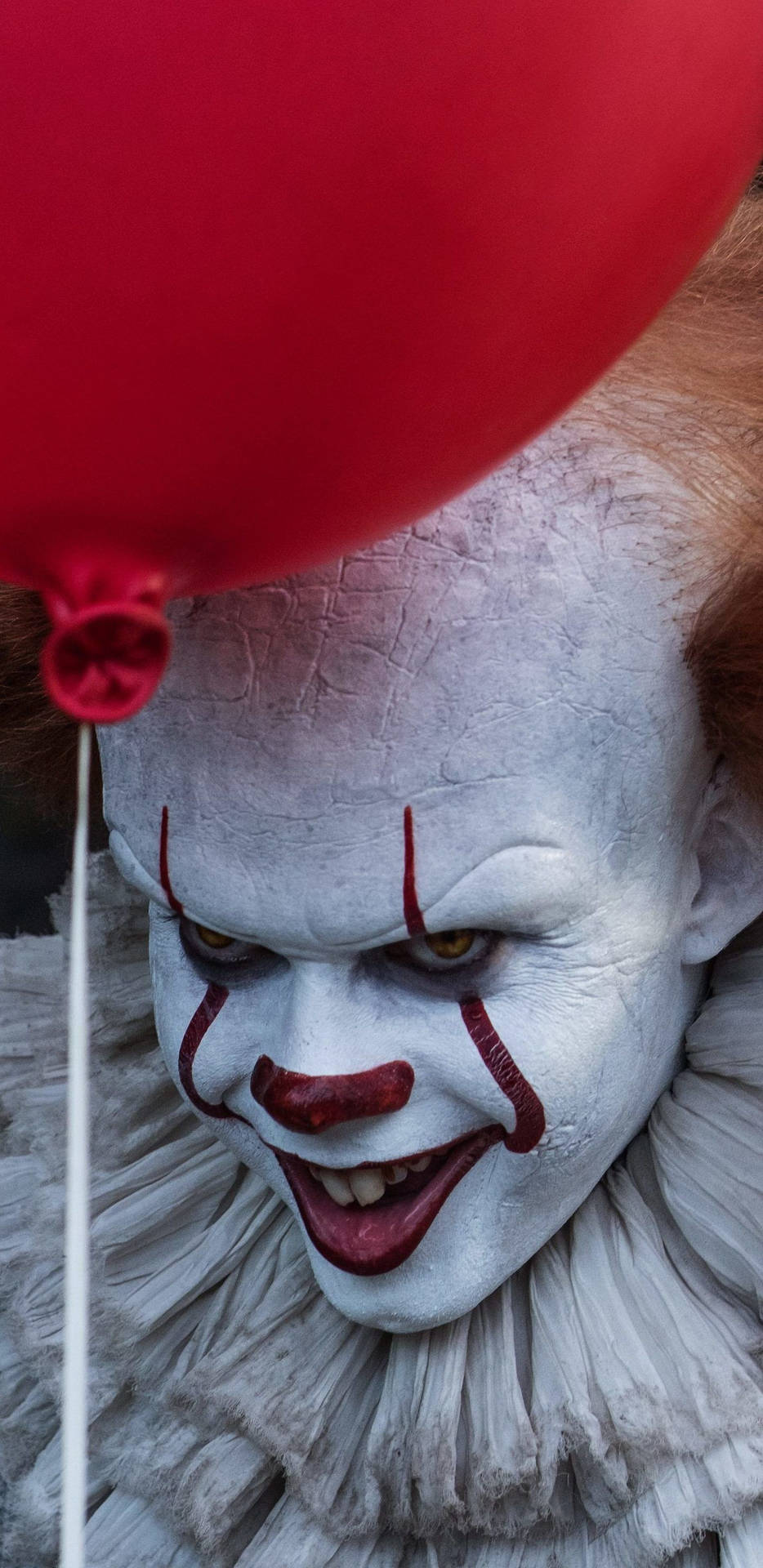
Comparing Pennywise 1990 vs 2017 reveals two drastically different approaches to bringing Stephen King's iconic cosmic entity to the screen. The 1990 television miniseries relied on theatrical camp, psychological dread, and Tim Curry's charismatic performance, whereas the 2017 feature film leveraged a cinematic budget, aggressive sound design, and Bill Skarsgård's feral, uncanny monster design. Deciding which version succeeds depends entirely on whether you prefer a grounded, dialogue-driven psychological portrait or a modern creature feature driven by visceral visual effects.
Stephen King's massive 1986 novel requires a delicate balance of nostalgic coming-of-age drama and cosmic horror. Both adaptations chop the narrative framework apart to fit their respective mediums, leading to unique pacing, character dynamics, and visual aesthetics. Examining how each production handles Derry, Maine, the Losers Club, and the shapeshifting dancing clown highlights why this debate endures decades later.
Character Conception and Performance
The core of any IT adaptation rests on the shoulders of the actor inside the greasepaint. Tim Curry approached the 1990 role with the energy of a theatrical trickster. His Pennywise felt like a twisted entertainer who could actually lure a child down a storm drain. Curry used a mix of Borscht Belt vaudeville humor, a chilling mid-Atlantic accent, and sudden bursts of genuine hostility. He played a human predator wearing clown makeup, making his quiet interactions with Georgie Denbrough deeply unsettling because they felt plausible.
Bill Skarsgård took the opposite route in 2017. He played an ancient, predatory cosmic entity that is merely imitating a clown. Skarsgård incorporated physical tics like a lazy eye, drooling, and jerky, asymmetric movements that signaled something fundamentally wrong beneath the surface. While some critics argue that Skarsgård's terrifying aesthetic would make any child run away instantly, his performance succeeds as an abstract nightmare. Skarsgård's Pennywise feels alien, hungry, and ancient, embodying the primal fears of the Losers Club rather than a traditional local menace.
Visual Style and Tone
Budgetary constraints defined the 1990 miniseries. Directed by Tommy Lee Wallace, the production aired on ABC, which meant explicit violence and harsh language were strictly off-limits. To compensate, the miniseries relied heavily on practical effects, lighting, and shadow. When the 1990 Pennywise attacks, it often uses simple, surreal imagery—such as photographs coming to life or a shower stall erupting with blood. This restraint forces the audience to fill in the blanks, which creates an enduring sense of dread.
Andy Muschietti's 2017 film benefited from an R-rating and modern cinematic tools. The cinematography employs heavy blues and grays for Derry's dreary atmosphere, contrasted against the vibrant, saturated yellow of Georgie's raincoat. However, the 2017 movie leans heavily on CGI for its scares, transforming Pennywise into towering digital manifestations and relying on sudden loud audio cues. For viewers who prefer tactile practical effects, the 1990 version holds up as a masterclass in television resourcefulness, whereas modern audiences often gravitate toward the polished, ominous tension of the theatrical release.
Handling the Losers Club and Setting
Adapting the Losers Club requires balancing seven distinct childhood traumas. The 1990 miniseries splits its runtime evenly, introducing both the kids and their adult counterparts early on, which establishes the emotional weight of their lifelong bond. However, television formatting forced the child actors to rush through heavy exposition. The 1980s setting of the book was also shifted to the late 1950s for the kids in the miniseries, amplifying a wholesome mid-century innocence.
The 2017 film makes the bold choice to split the narrative completely, dedicating the entire first film solely to the kids and moving their adult confrontation to the 2019 sequel. By shifting the childhood timeline to the summer of 1989, the filmmakers tapped into contemporary nostalgia popularized by projects like Stranger Things. This allowed the young cast—including Jaeden Martell and Sophia Lillis—to develop authentic, messy chemistry. The kids in 2017 feel like genuine outcasts navigating real adolescent struggles, making their eventual triumph over Pennywise emotionally resonant.
Common Misconceptions About Both Versions
Viewers often misremember key elements of these adaptations due to nostalgia or cultural osmosis.
- The 1990 version is a full movie: Many casual viewers forget that IT (1990) was originally a two-part television broadcast miniseries, not a feature film released in theaters.
- Skarsgård used no practical makeup: While digital touch-ups were used for his eyes, Skarsgård actually performed most of his facial distortions—including pointing his eyes in opposite directions—entirely on camera without CGI assistance.
- The book takes place in the eighties: Stephen King's novel alternates between the 1950s and the 1980s. The 1990 miniseries set the childhood era in the 1950s, while the 2017 movie updated the childhood timeline to the 1980s.
Frequently Asked Questions
Which adaptation is closer to Stephen King's original novel?
The 1990 miniseries follows the structural framework of the book much more closely, particularly in how it weaves the children's storylines together with the framing device of the adults returning to Derry. The 2017 film takes major liberties with the lore, modernizing the timeline and altering several character subplots.
Is the 1990 miniseries actually scary today?
For modern viewers accustomed to high-budget horror, the 1990 version can feel campy, especially during its infamous climax involving a stop-motion creature. However, Tim Curry's unsettling psychological presence and the grounded atmosphere maintain an eerie tension.
Why did the 2017 film split the book into two parts?
Stephen King's novel spans over a thousand pages and covers two distinct time periods. Filmmakers realized that trying to cram both the childhood trauma and the adult reconciliation into a single two-hour runtime ruined the pacing, making a split necessary to give the characters room to breathe.
Where can I stream these adaptations?
Availability changes frequently depending on regional licensing agreements, but both versions are routinely available for digital rental or purchase on platforms like Amazon Prime Video.
Which version features a better soundtrack?
Richard Bellis won an Emmy for the 1990 miniseries score, which uses eerie synthesizer chimes and lullaby motifs to induce dread. Benjamin Wallfisch scored the 2017 film, utilizing children's choral chants and heavy orchestral swells to drive its modern cinematic terror.



