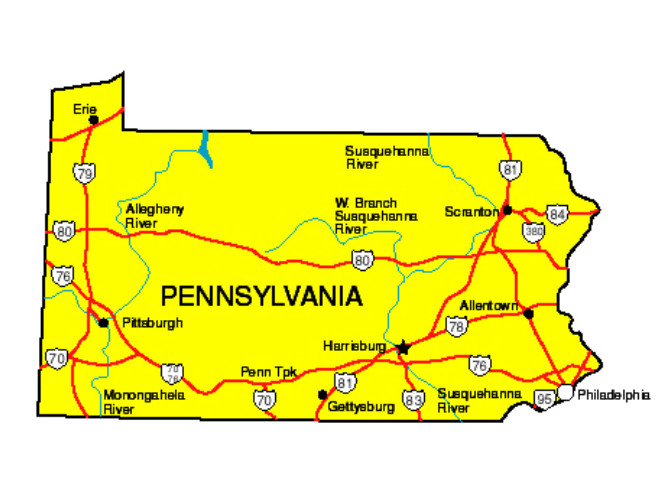
Pennsylvania’s state correctional institutions operate under an intense internal contradiction. While lawmakers and the Department of Corrections routinely champion progressive rehabilitation programs, thousands of individuals remain trapped in cycles of mass incarceration driven by outdated sentencing structures and rigid parole mechanisms. Behind high concrete walls and razor wire, the reality of everyday incarceration often clashes sharply with public policy statements. Understanding why transformation moves so slowly requires looking past press releases and examining how institutional inertia, policy gaps, and chronic resource shortages shape life inside.
The state maintains one of the highest rates of correctional control in the Northeast, heavily impacted by long probation sentences and strict technical violation rules. Facilities struggle to balance security mandates with meaningful programming, creating a system where genuine rehabilitation remains out of reach for many. To see why reform efforts stall, we have to look closely at structural barriers, institutional culture, and the daily friction experienced by incarcerated people and staff alike.
Structural Realities of the Pennsylvania Correctional System
The Pennsylvania Department of Corrections manages dozens of facilities, housing tens of thousands of individuals. Operating this vast network requires massive taxpayer funding, yet systemic inefficiencies prevent these dollars from translating into lower recidivism rates.
The Burden of Over-Supervision and Probation
A primary driver of prison population pressures isn't just initial sentencing—it's the state's heavy reliance on extended community supervision. Thousands of individuals cycle back into state facilities not for committing new crimes, but for technical violations of probation or parole. Missing a meeting, traveling without prior approval, or failing to pay court debt can trigger immediate reincarceration. This revolving door strains prison resources and destabilizes families.
Aging Infrastructure and Geriatric Populations
Facilities across the Commonwealth face severe demographic shifts. The proportion of older adults behind bars has grown significantly over the last two decades. Prisons built for secure housing and active labor struggle to provide the medical and palliative care required for an aging demographic. Medical units face staffing shortages, and administrative hurdles often delay compassionate or geriatric release for individuals who pose no threat to public safety.
Where Reform Initiatives Fall Short
State officials frequently introduce targeted initiatives aimed at reducing solitary confinement, expanding mental health treatment units, and offering vocational training. While these steps mark progress on paper, execution often stumbles due to systemic bottlenecks.
- Staffing Constraints: Correctional officer shortages lead to frequent lockdowns, restricting access to educational classes, workshops, and recreational yard time. When facilities are short-staffed, security protocols override rehabilitative programming.
- Inconsistent Mental Health Support: Although specialized treatment units exist for individuals with serious mental illness, demand frequently outpaces capacity. Many vulnerable individuals slip through classification cracks, ending up in restrictive housing environments that exacerbate psychological distress.
- Limited Reentry Preparation: Vocational training programs often teach outdated skills that don't match modern labor market demands, leaving released individuals struggling to secure stable employment.
According to the Pennsylvania Prison Society, chronic infrastructure neglect and unpaid facility maintenance further degrade living conditions, undermining even well-intentioned policy directives.
The Human Impact Behind the Walls
Policy debates in Harrisburg rarely capture the day-to-day psychological toll experienced inside state facilities. Isolation, restricted family contact, and the anxiety of unpredictable parole boards create an environment of chronic stress.
Families on the outside bear a heavy emotional and financial burden. High communication costs, including expensive phone calls and video visitation fees, isolate incarcerated individuals from their support networks. Research consistently shows that maintaining strong family ties is one of the most effective deterrents against recidivism, yet economic barriers often weaken these connections.
Furthermore, racial disparities persist at every stage of the carceral process. Disproportionate arrest rates, harsher sentencing guidelines for minority defendants, and skewed parole revocation rates mean that reform cannot succeed without a deliberate focus on equity. Organizations like the ACLU of Pennsylvania continue to challenge these disparities through targeted litigation and policy advocacy.
Practical Steps Toward Sustainable Change
Fixing a complex correctional ecosystem requires moving beyond superficial adjustments. Lawmakers and system administrators must focus on structural revisions that address root causes rather than symptoms.
- Streamline Parole and Probation: Implement caps on probation lengths and eliminate automatic reincarceration for non-criminal technical violations.
- Expand Diversion and Treatment: Scale up community-based mental health and substance use treatment programs to keep individuals out of the prison system entirely.
- Modernize Reentry Pipelines: Partner with local businesses and tech industries to offer relevant, certifiable job training inside facilities before release.
- Facilitate Medical Releases: Simplify the review process for geriatric and terminally ill individuals who no longer present a public safety risk, reducing state healthcare expenditures.
Frequently Asked Questions
Why is Pennsylvania's prison population so high compared to neighboring states?
Mass incarceration in the state is heavily driven by lengthy probation terms and strict parole revocation policies rather than long initial sentences alone. Technical violations fill cells with individuals who haven't committed new crimes.
What role do correctional officers play in reform efforts?
Officers are central to daily facility culture. Comprehensive training in de-escalation, mental health awareness, and trauma-informed care is essential, though chronic understaffing often limits its practical application.
Are alternative sentencing programs available in Pennsylvania?
Yes, county-level drug courts, intermediate punishment programs, and diversionary initiatives exist, but their availability varies widely by judicial district, creating geographic disparities in how justice is applied.
How does the aging prison population impact state budgets?
Incarcerating older adults requires significantly higher medical costs for chronic illnesses, mobility aids, and end-of-life care, diverting funds away from educational and vocational programs.


