When a sharp ache or persistent pressure settles deep within your lower abdomen, it's easy to write it off as a pulled muscle or a byproduct of a long workday. We've all been conditioned to push through discomfort. But when that discomfort originates in your pelvis, ignoring it is a gamble with high stakes.
Your pelvis houses a dense network of vital organs, major blood vessels, and intricate nerve pathways. It's the structural anchor of your upper and lower body. Treating persistent pelvic pain as a minor nuisance can allow hidden conditions—from progressive musculoskeletal misalignments to severe internal infections—to compound into chronic, debilitating issues.
Understanding what happens when you silence your body's alarm system requires looking past vague generalizations and examining the exact physiological cascade that occurs when pelvic distress goes unaddressed.
The Anatomy Behind the Ache
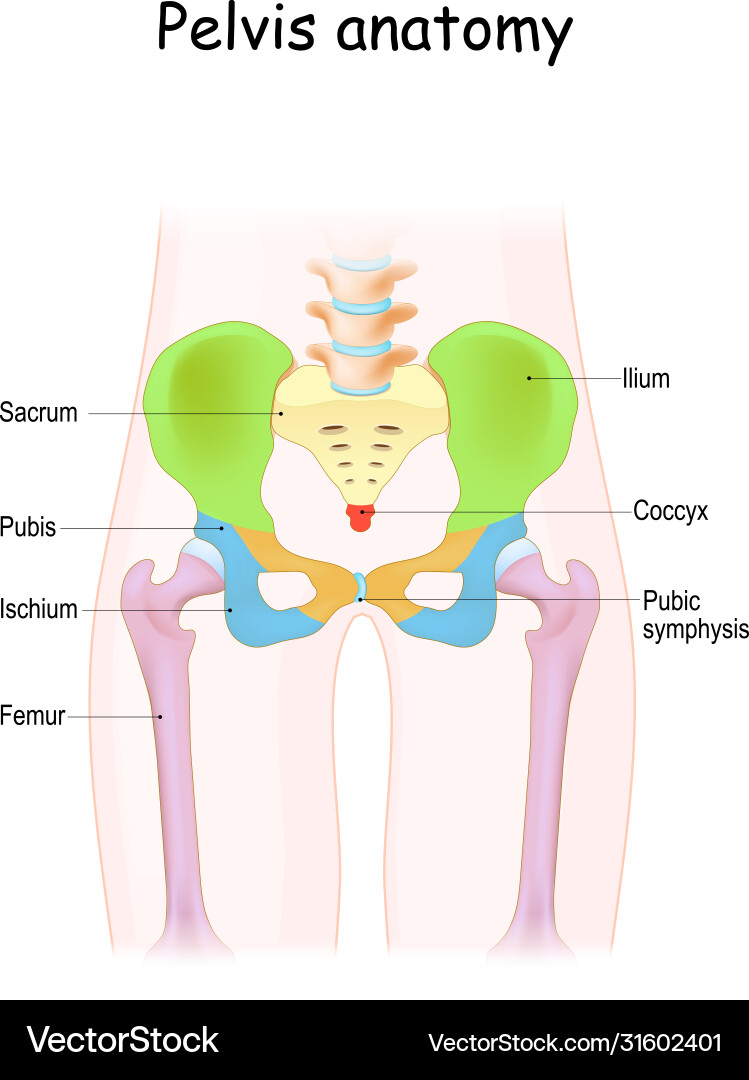
To understand why ignoring pelvic pain backfires, you have to look at what the pelvis actually is. It isn't a single solid bone; it's a ring of interconnected bones including the sacrum, coccyx, and two large hip bones (ilium, ischium, and pubis) bound together by strong ligaments and cushioned by a complex web of pelvic floor muscles.
This bony basin cradles your bladder, bowels, and reproductive organs. Because everything is packed so tightly and shares overlapping nerve supplies, pain in this region is notorious for referring sensation elsewhere. A problem in your hip joint can feel like deep pelvic cramping. An inflamed bowel can mimic a gynecological issue.
When you feel pain here, your body isn't just reacting to localized trauma; it's signaling that a mechanical, vascular, or inflammatory process is disrupting normal function.
The Physical Toll of Delaying Care
When symptoms arise and you choose to ignore them, your body doesn't just stay the same—it adapts in unhealthy ways. This sets off a domino effect that alters your physical state over weeks and months.
Muscle Guarding and Compensation Patterns
If a specific ligament, joint, or muscle in your pelvic girdle is injured or inflamed, your nervous system automatically triggers a protective response known as muscle guarding. Surrounding muscles tighten up to stabilize the area.
If you ignore the pain and keep moving, your body creates secondary movement compensations. You might shift your weight slightly when walking, alter your posture, or rely more heavily on your lower back and hip flexors. Over time, these compensatory patterns strain adjacent joints, leading to chronic lower back pain, hip impingements, and severe muscle imbalances that take months of physical therapy to unwind.
Cascading Internal Inflammation
When pelvic pain stems from an underlying inflammatory condition—such as endometriosis, chronic pelvic inflammatory disease, or interstitial cystitis—leaving it unmanaged allows inflammation to persist unchecked. Chronic inflammation fosters tissue scarring and adhesions. These internal bands of scar tissue can bind organs together, distorting normal anatomy and causing severe, unremitting pain during daily movements, digestion, or sexual intercourse.
Progression of Silent Infections
Some of the most dangerous causes of pelvic discomfort start quietly. Low-grade urinary tract infections, silent pelvic infections, or micro-tears in supportive tissues can escalate rapidly if left untreated. What starts as a dull ache can transition into an acute systemic infection, leading to abscess formation, severe pelvic peritonitis, or even sepsis if bacteria breach the bloodstream.
According to data from the National Institutes of Health, chronic pelvic pain affects a significant portion of the adult population, yet millions delay seeking evaluation due to the normalization of everyday discomfort.
Common Red Flags You Shouldn't Ignore
Not all pelvic pain requires an immediate emergency room visit, but certain manifestations demand rapid professional evaluation. Recognizing these markers separates a manageable issue from a medical crisis.
- Sudden, severe, or worsening intensity: Pain that wakes you from sleep or leaves you doubled over is never normal.
- Systemic symptoms: Pelvic pain accompanied by high fevers, chills, persistent nausea, or unexplained weight loss points toward infection or severe pathology.
- Urological or bowel changes: Blood in your urine, painful urination, inability to empty your bladder, or severe changes in bowel habits combined with pelvic pressure require immediate diagnostics.
- Pain linked to specific functions: Sharp, escalating pain during bowel movements, urination, or intercourse that persists across multiple cycles.
If you experience these signs, delaying a visit to a primary care physician, gynecologist, or urologist only increases the likelihood of invasive interventions later.
Breaking Through the Diagnostic Barrier
One reason people ignore pelvic pain is the historical difficulty in getting clear answers. Pelvic conditions are notoriously complex, and symptoms often overlap across multiple medical specialties. It's not uncommon for patients to bounce between urology, gynecology, and orthopedics before finding the root cause.
To navigate this effectively, preparation is key. When you finally speak with a healthcare provider, come armed with specific details. Track the exact timing of your pain, what makes it worse, what provides temporary relief, and how it correlates with your daily activities or menstrual cycle. Clear documentation helps physicians narrow down whether the origin is musculoskeletal, neurological, urological, or gastrointestinal.
For deeper clinical insights on managing complex pain syndromes, resources from institutions like the Mayo Clinic offer thorough breakdowns of diagnostic pathways and multidisciplinary pain management strategies.
Frequently Asked Questions
Can stress really cause physical pelvic pain?
Yes. Psychological stress and anxiety cause chronic physical tension, particularly in the pelvic floor muscles. Many people unconsciously clench or tighten their pelvic floor muscles when stressed, leading over time to myofascial pelvic pain syndrome, spasms, and deep aching sensations.
How do I know if my pelvic pain is muscular or organ-related?
Muscular pain usually shifts or intensifies with specific movements, posture changes, or direct pressure on the area. Organ-related pain is often deeper, harder to pinpoint, and may be accompanied by systemic signs like digestive changes, urinary symptoms, or cyclical patterns tied to hormonal fluctuations.
Is it normal to have pelvic pain during physical exercise?
No. While muscle soreness in your glutes or core after a workout is normal, sharp or deep aching inside the pelvic bones or lower abdomen during exercise is a sign of joint instability, muscle strain, or underlying impingement that needs evaluation.
What kind of specialist should I see for chronic pelvic pain?
Depending on your symptoms, a good starting point is your primary care doctor or gynecologist. They can order initial imaging and blood work, and refer you to specialists such as a urogynecologist, orthopedic physical therapist specializing in pelvic health, or a pain management specialist.



