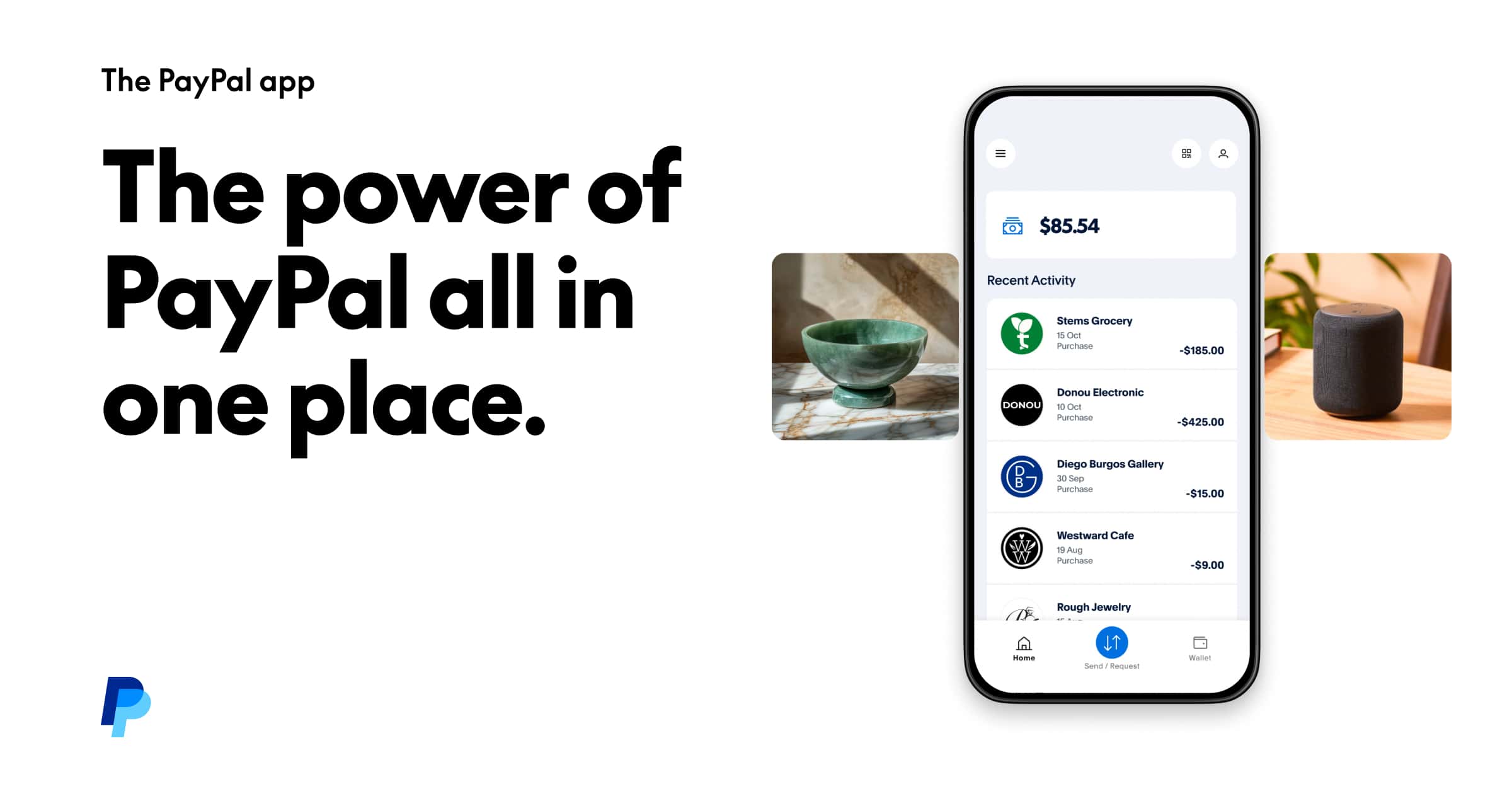
Online checkout has shifted away from traditional credit cards and immediate lump-sum bank transfers. Digital buyers now expect payment flexibility without added interest charges at the point of sale. PayPal Pay in 4 addresses this shift by letting shoppers divide online purchases into four equal, bi-weekly installments. This model alters how merchants convert carts and how consumers manage household cash flow.
Understanding this payment structure requires looking past surface-level convenience. The system affects transaction sizes, cart abandonment rates, and budgeting habits for millions of digital storefronts worldwide.
How PayPal Pay in 4 Works at Checkout
The mechanism functions directly inside standard digital payment gateways. When a shopper selects PayPal at checkout on a participating merchant site, the platform evaluates the user and the cart value.
- Cart Selection: The buyer adds eligible items totaling between thirty and fifteen hundred dollars to their digital cart.
- Payment Choice: The user selects PayPal as the transaction method and picks the Pay in 4 option from the available prompts.
- Instant Decision: The platform runs an automated evaluation and returns an approval decision within seconds. This check uses a soft credit inquiry that doesn't impact credit scores.
- Initial Payment: The buyer pays twenty-five percent of the total cost immediately as a down payment.
- Scheduled Deductions: The remaining balance splits into three equal parts, billed automatically every two weeks over a six-week span.
Merchants receive the full purchase amount upfront from PayPal, minus standard processing fees. This removes financial risk for the seller while giving the buyer immediate possession of the goods. For another look on this event, refer to the recent update from Reuters.
Why Short-Term Installments Transform Ecommerce
Digital retail thrives on reducing friction during the final steps of a purchase. High cart abandonment rates often stem from sticker shock when buyers face a single large expense. Spreading costs across multiple payments alters buyer psychology and merchant metrics.
Average Order Value Expansion
When buyers can divide an expense into four manageable chunks, they feel more comfortable adding higher-priced items to their carts. Retailers integrating this financing option report larger average order sizes. A purchase that feels out of reach at a lump-sum price of two hundred dollars becomes easier to justify at fifty dollars upfront.
Cart Abandonment Reduction
Friction at checkout kills conversion rates. Traditional credit applications require long forms, security checks, and waiting periods. Instant short-term approvals built into existing digital wallets keep buyers on the page. Because most active shoppers already store credentials in their payment accounts, completing an installment agreement takes just a few clicks.
Consumer Cash Flow Management
Buyers increasingly prefer predictable budgeting over revolving credit card debt that accumulates compounding interest. By tying repayments to strict bi-weekly schedules with zero interest charges, users avoid long-term debt traps as long as they track their automatic deductions.
Merchant Integration and Business Impact
For online merchants, offering flexible checkout solutions is no longer optional. Integrating short-term financing requires minimal technical overhead, especially for stores already utilizing standard gateway plugins.
Platforms like PayPal Business Hub allow store owners to display promotional messaging directly on product description pages and shopping carts. Seeing "Pay in four payments of $25" next to a $100 price tag changes consumer perception long before they reach the final checkout screen.
Sellers also benefit from institutional backing. Because the provider absorbs default risks after paying the merchant upfront, business owners don't chase missed customer payments or handle collection workflows.
Common Mistakes and Pitfalls
While short-term financing offers clear advantages, misuse can create financial friction for both buyers and sellers.
- Overextending Across Multiple Plans: Shoppers frequently open multiple simultaneous installment plans across different websites. Stacking several bi-weekly deductions can drain a checking account unexpectedly on payday.
- Ignoring Return Policies: Returning items purchased through installment plans requires coordination. Merchants issue refunds back through the payment provider, which then adjusts or refunds the installment schedule. Expecting instant cash refunds to a bank account can lead to budgeting confusion.
- Assuming Universal Availability: Not every product category or cart value qualifies. Certain subscription services, digital downloads, or high-risk goods are excluded from short-term financing plans.
Frequently Asked Questions
Does using this service hurt credit scores?
Applying for a short-term installment plan triggers a soft credit inquiry to verify eligibility. This check has no effect on credit scores. However, severely delinquent accounts that go to external collections can eventually impact credit reports.
Are there hidden fees or interest charges?
The product features zero interest and no sign-up or late fees. If an automatic deduction fails due to insufficient funds in the user's linked bank account, the user's personal bank might charge a non-sufficient funds fee.
Can buyers pay off their balance early?
Users can make manual payments or clear their entire remaining balance ahead of schedule without incurring prepayment penalties.
What happens if a purchase is returned?
Refunds follow the merchant's standard return policy. Once the retailer processes the return, the funds apply back to the active installment plan, reducing or eliminating remaining scheduled payments.



