Modern city planning requires a complete shift away from old industrial models toward ecosystems that support long-term ecological balance. When exploring the intersection of modern design and environmental stewardship, the concept of a Patricia Alvaran Architect Of Innovation In Sustainable Urban Development highlights how contemporary visionaries reshape our built environment. Urban centers consume massive amounts of global energy and produce staggering carbon outputs, making smarter structural blueprints mandatory for municipal survival.
To tackle climate pressures, city designers focus on low-impact materials, renewable energy grids, and dense mixed-use zoning. Traditional city layouts relied heavily on sprawling suburbs and car-centric transit. Today's sustainable projects prioritize pedestrian pathways, vertical gardens, and waste-to-energy infrastructure. These measures reduce daily emissions while improving the physical and mental health of urban residents.
Core Principles of Eco-Centric Architecture
Designing structures that function within natural ecological limits demands a strict adherence to resource efficiency. Architects don't just draft pleasing facades; they calculate the full life-cycle carbon cost of every steel beam and concrete slab.
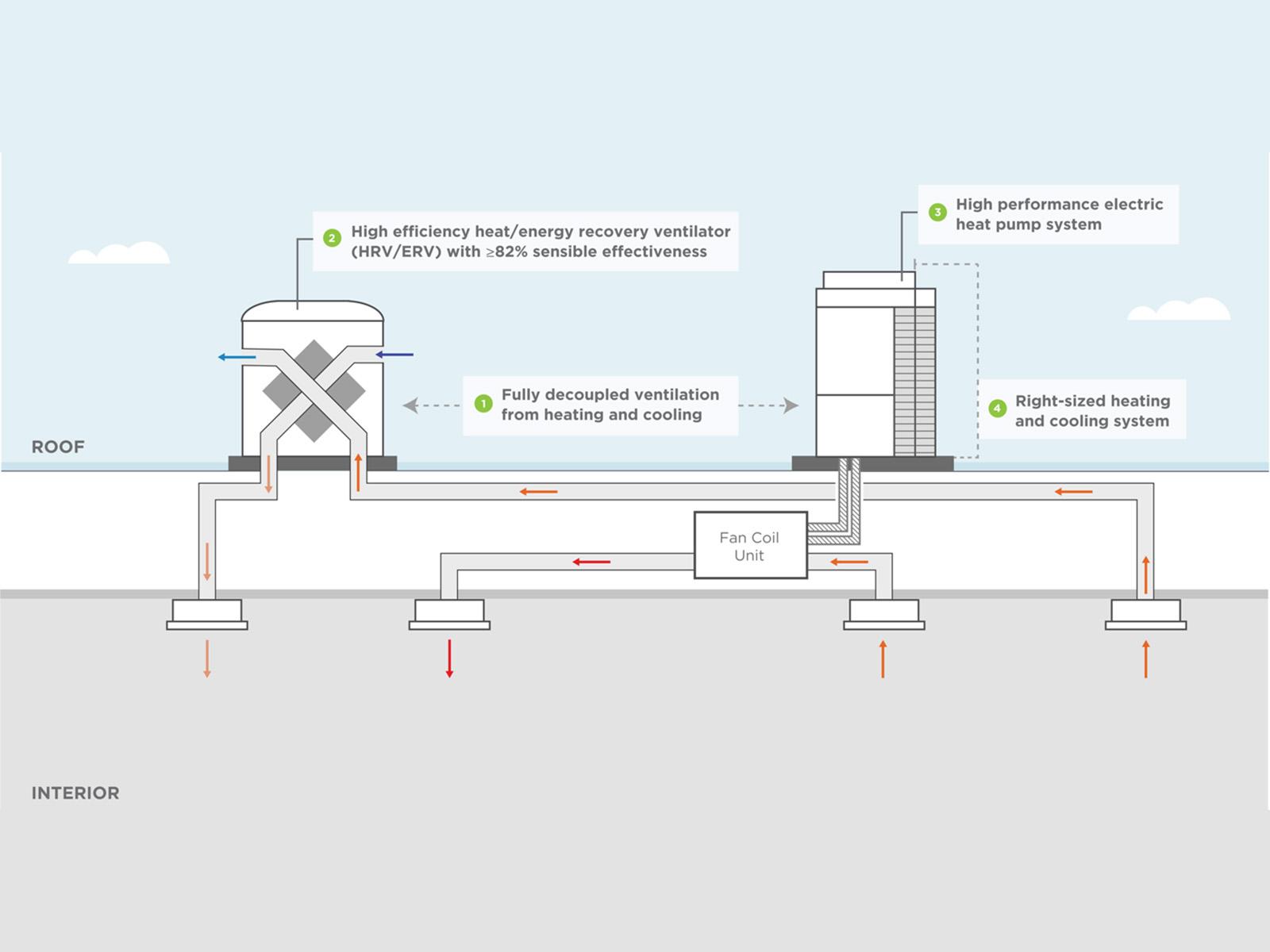
- Passive Solar Design: Buildings are oriented to maximize natural winter heating and summer cooling, cutting mechanical HVAC dependency by up to forty percent.
- Water Closed-Loops: Rainwater harvesting systems and greywater recycling networks ensure that municipal supplies aren't wasted on basic irrigation and sanitation.
- Locally Sourced Materials: Hauling heavy building materials across continents spikes a project's carbon footprint. Sourcing timber and stone locally eliminates unnecessary transit emissions.
Green building certification standards, such as those outlined by the U.S. Green Building Council, provide strict metrics for measuring these efficiencies. Without third-party verification, green claims often slip into empty marketing talk.
Integrating Smart Grids and Renewable Power
Energy management dictates whether a neighborhood thrives or stagnates under peak loads. Modern sustainable planning ties individual buildings into localized microgrids powered by solar panels and wind turbines.
When a structure generates excess electricity during peak daylight hours, the surplus feeds back into the community grid or charges neighborhood battery banks. This decentralization prevents catastrophic city-wide blackouts and stabilizes utility costs for lower-income residents.
Overcoming Retrofitting Challenges
Designing a fresh district on empty land is straightforward, but upgrading established cities presents steep hurdles. Planners face rigid zoning laws, aging sewer lines, and resistant property owners.
- Auditing Existing Infrastructure: Engineers inspect decades-old electrical grids to determine load capacities before adding EV charging stations or solar arrays.
- Phased Zoning Updates: Municipalities rewrite zoning codes incrementally, allowing mixed-use residential and commercial spaces in old industrial zones without triggering immediate displacement.
- Community Buy-In: Public forums ensure local residents shape the neighborhood changes, preventing top-down design failures that alienate communities.
The C40 Cities Climate Leadership Group tracks how global metropolises successfully implement these complex climate action plans across diverse legal systems.
The Economic Reality of Green Construction
Skeptics often argue that sustainable architecture inflates project budgets beyond reasonable limits. While upfront material costs can run slightly higher, long-term operational savings tell a different story. Lower utility bills, reduced waste disposal fees, and higher property resale values offset initial expenses within five to seven years.
Furthermore, cities that embrace forward-thinking design attract younger, highly skilled workforces who value environmental ethics. Municipal tax incentives for green retrofits also ease the financial burden on private developers willing to take risks on unproven technologies.
Frequently Asked Questions
What defines sustainable urban development?
It is a planning approach that meets the needs of current residents without compromising the environmental health, economic vitality, or resource access of future generations.
How do smart materials reduce carbon footprints?
Smart materials, such as self-healing concrete or phase-change insulation, adapt to changing weather conditions, minimizing energy consumption and extending the lifespan of the structure.
Are green buildings more expensive to maintain?
No. While initial construction can require specialized labor, efficient energy and water systems drastically reduce routine maintenance and utility costs over the building's life cycle.
How can older cities adopt modern ecological designs?
Older cities rely on phased zoning reforms, localized microgrids, and retrofitting existing structures with high-performance insulation and renewable energy systems.



