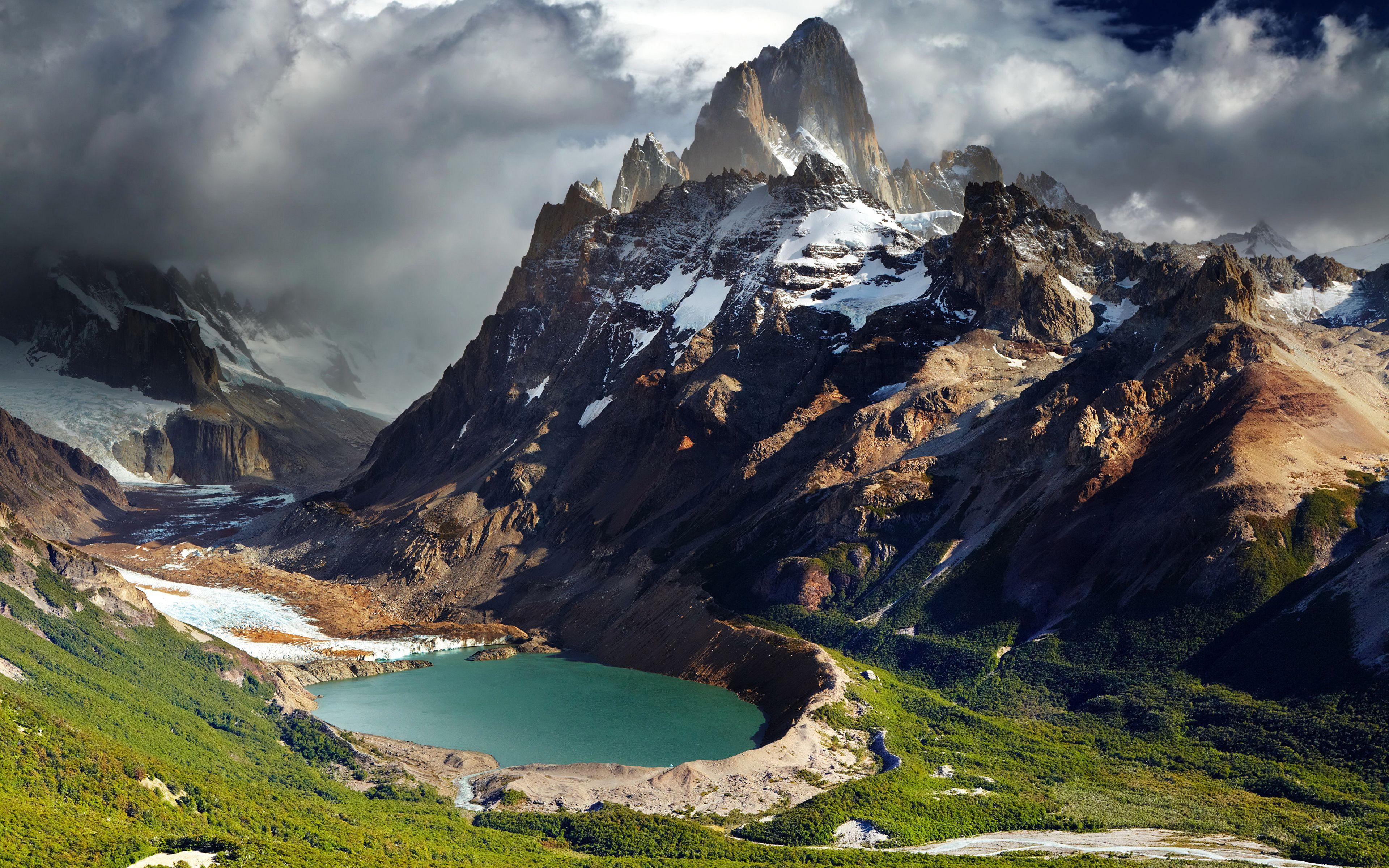
Patagonia operates as a rare corporate entity where environmental activism sits at the core of the business model rather than existing as a peripheral marketing add-on. Founded in 1973 by climber Yvon Chouinard, the outdoor apparel brand transformed from a small blacksmith operation forging climbing pitons into a global enterprise worth billions. Instead of prioritizing endless profit growth at the expense of ecosystems, Patagonia built its entire corporate strategy on product durability, supply chain transparency, and direct political and environmental action.
The primary keyword for this topic is Patagonia company wiki, targeting users searching for a comprehensive breakdown of how the brand operates, its historical milestones, and its unique governance structure. While generic overviews skim the surface of marketing campaigns, understanding Patagonia requires examining the structural, financial, and operational choices that separate it from traditional retail corporations.
From Hand-Forged Pitons to Performance Outerwear
The origins of Patagonia trace back to Chouinard Equipment, where Yvon Chouinard manufactured hard-steel climbing pitons in Ventura, California. Traditional pitons were single-use items hammered into rock faces and left behind, causing severe environmental damage. Chouinard engineered reusable, high-carbon steel pitons that protected the rock, establishing an early business philosophy: do no unnecessary harm.
When the piton business was phased out because it damaged rock walls, Chouinard shifted focus to rugby shirts imported from England, which proved durable and popular among climbers. In 1973, the company officially launched Patagonia. From the outset, the product lineup focused on functional, long-lasting gear designed for extreme conditions.
Unlike fast-fashion competitors that rely on rapid trend cycles and disposable clothing, Patagonia engineered garments to last for decades. This emphasis on technical performance and durability created a loyal customer base willing to pay premium prices for items they wouldn't need to replace frequently.
The 2022 Ownership Shift: Permanent Stewardship
A critical turning point in corporate history occurred in September 2022, when Yvon Chouinard and his family transferred 100% of Patagonia’s voting stock to the Patagonia Purpose Trust and non-voting stock to the Holdfast Collective. This legal structure ensures that every dollar not reinvested in running the business is distributed as dividends to protect the planet.
The ownership model prevents traditional public acquisition and blocks private equity buyouts that might dilute environmental commitments. According to official corporate disclosures available on the Patagonia Purpose Trust portal, the voting stock—representing about 2% of the total—is held by family members and close advisors who oversee the company's values. The remaining 98% of stock belongs to the Holdfast Collective, a registered 501(c)(3) nonprofit dedicated to fighting environmental crises and defending nature.
This structure answers a central question that superficial brand profiles miss: how does a multi-million-dollar company protect its mission long-term? By locking out shareholders seeking quarterly growth, Patagonia legally bound its financial success to ecological preservation.
Supply Chain Transparency and the Footprint Chronicles
Transparency remains a cornerstone of Patagonia's operational strategy. Through initiatives like the Footprint Chronicles, launched in 2007, the brand maps the lifecycle of its products, detailing where materials are sourced, how fabrics are dyed, and under what conditions garments are sewn.
The company confronts supply chain challenges directly rather than hiding behind vague green claims. For instance, transitioning entirely to organic cotton in 1996 required rebuilding supply chains from scratch when conventional cotton farming proved ecologically devastating. Similarly, Patagonia tracks its greenhouse gas emissions across scope 1, 2, and 3 categories, publishing regular updates on progress toward its goal of achieving net-zero status across its entire business by 2040.
Key Supply Chain Pillars
- Fair Labor Association (FLA) Accreditation: Regular audits ensure living wages, safe working conditions, and strict bans on forced or child labor throughout tier-one and tier-two factories.
- Preferred Materials Sourcing: Prioritizing recycled polyester, recycled nylon, organic hemp, and regenerative organic certified cotton.
- Chemical Management: Enforcing bluesign standards to eliminate harmful chemicals from textile manufacturing processes before they enter waterways.
Product Longevity through the Worn Wear Program
Consumption is inherently resource-intensive, a contradiction that Patagonia openly addresses. To combat the linear "take-make-waste" model of retail, the company launched Worn Wear, a comprehensive repair, resale, and recycling initiative.
Instead of encouraging customers to buy new jackets every season, Patagonia operates one of the largest garment repair facilities in North America, located in Reno, Nevada. In a typical year, technicians mend tens of thousands of items free of charge or for a nominal fee.
When clothing reaches the end of its usable life, customers can trade it in for credit through the online resale platform or recycle it into raw materials. This circular approach reduces the demand for virgin petroleum-based synthetics and redefines customer loyalty around stewardship rather than consumption volume.
Grassroots Activism and 1% for the Planet
Activism at Patagonia extends far beyond donating a portion of proceeds; it involves active political lobbying, public campaigns, and grassroots funding. Since 1985, the company has pledged 1% of sales—not profits—to environmental groups, totaling hundreds of millions of dollars awarded to small, grassroots organizations fighting for habitat preservation and clean water.
The brand has also leveraged its cultural footprint for major political battles. In 2017, Patagonia launched a lawsuit against the federal government after officials reduced the boundaries of Bears Ears and Grand Staircase-Escalade National Monuments in Utah, using the slogan "The President Stole Your Land."
These high-profile stances carry financial risks, including boycotts from certain consumer segments. However, data compiled by industry analysts shows that alienating short-term critics often deepens brand affinity among core buyers who view corporate authenticity as a non-negotiable purchasing criterion.
Common Mistakes When Analyzing Sustainable Business Models
Observers attempting to replicate Patagonia's success often misinterpret the mechanics behind the brand. Avoid these common strategic pitfalls:
- Treating sustainability as a marketing campaign: Greenwashing fails when public scrutiny reveals empty promises. True structural alignment requires governance changes, supply chain visibility, and financial accountability.
- Ignoring product quality: Environmental messaging cannot salvage a poorly performing product. Patagonia's market dominance begins with rigorous gear testing in severe alpine conditions.
- Assuming anti-growth means unprofitable: Prioritizing long-term resilience over quarterly profit maximization can attract high-value consumers and reduce customer acquisition costs over decades.
Frequently Asked Questions
Who owns Patagonia now?
Patagonia is owned by the Patagonia Purpose Trust, which holds all voting stock to protect company values, and the Holdfast Collective, a nonprofit organization that receives all surplus profits to fund environmental initiatives.
Does Patagonia still use down feathers?
Yes, but the company utilizes 100% Traceable Down, certified by the Global Traceable Down Standard, ensuring birds are never force-fed or live-plucked during the supply chain process.
Is Patagonia a certified B Corporation?
Yes, Patagonia became a certified B Corporation in 2012, meeting rigorous standards of verified social and environmental performance, public transparency, and legal accountability.
What is the "Don't Buy This Jacket" campaign?
In 2011, Patagonia ran an ad on Black Friday in The New York Times urging customers not to buy a specific fleece jacket without needing it, highlighting the environmental toll of consumerism and promoting repair over replacement.


