Your passport number serves as a unique cryptographic and administrative identifier that unlocks international travel while safeguarding your legal identity across borders. When you book an international flight, check into a foreign hotel, or clear customs, this alphanumeric string confirms you are who you claim to be.
Governments and border agencies rely on this specific code to verify your citizenship, check visa status, and screen against international security databases. Understanding how to locate this number, what its various digits represent, and how to protect it from theft prevents costly travel disruptions and identity fraud.
What is a Passport Number and Where to Find It
A passport number is a unique sequence of numbers and letters assigned to your specific passport document by your issuing government. Unlike your national identity number or social security number, which stays with you for life, your passport number changes every time you renew your passport booklet.
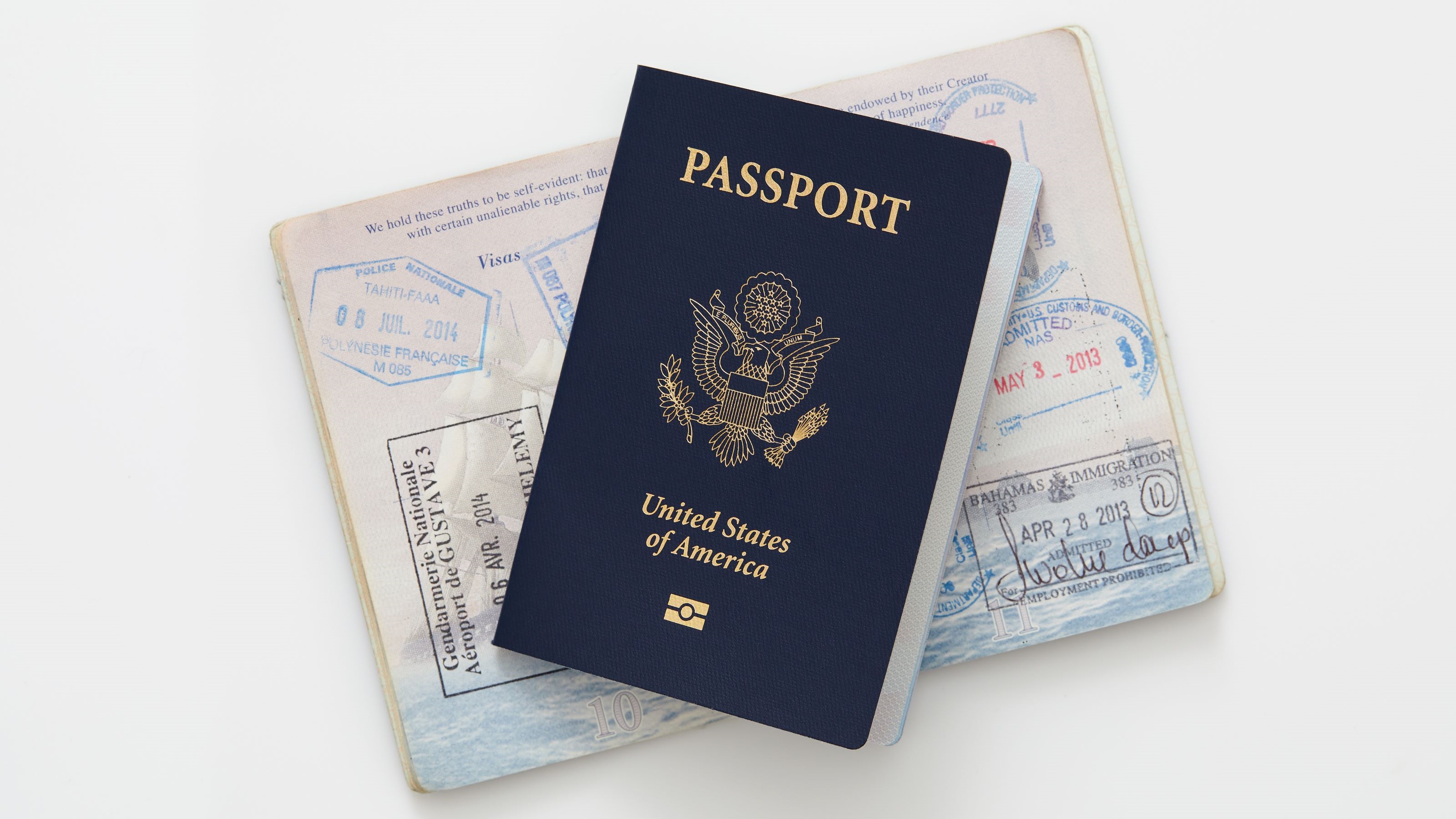
Finding your passport number takes seconds if you know where to look. On most modern passports issued by countries like the United States, the United Kingdom, Canada, and Australia, you'll find the passport number printed in the top right-hand corner of the personal data page—the rigid plastic or laminated page featuring your photo.
You'll also find this number perforated through the bottom of the pages in many passports, serving as an anti-fraud physical watermark. If you don't have your physical passport handy, you can find your passport number on:
- Confirmation emails from previous international flight bookings where you entered document details.
- Scanned copies or smartphone photos of your passport data page saved in secure cloud storage.
- Tax documents or visa application forms you submitted in the past five years.
- Employer travel portals or frequent flyer profiles where your document details are saved.
Anatomy of a Passport Number: Format and Structure
Every issuing country uses a distinct format for its passport numbers. Border control systems and airlines rely on these specific structural rules to catch typos and fraudulent documents instantly during check-in.
For United States passports issued today, the number consists of nine digits, containing only numbers or a combination of letters and numbers depending on the issuance year. Older U.S. passports often began with letters followed by numbers.
For British passports, the number consists of nine digits made up entirely of numbers, while Canadian passports use a combination of two letters followed by six numbers. Australian passports feature alphanumeric sequences starting with a letter followed by seven digits.
The characters aren't random. They often encode details such as the regional office of issuance, the batch printing run, and a checksum digit used by automated border gates to verify validity. When typing your passport number into digital forms, pay close attention to commonly confused characters. The letter 'O' and the number '0', as well as the letter 'I' and the number '1', frequently cause booking rejections at airport kiosks when typed incorrectly.
Passport Number Security and Identity Theft Risks
Because your passport number grants access to international travel and acts as primary government-issued identification, it represents a high-value target for identity thieves. If malicious actors get your full name, date of birth, and passport number, they can book fraudulent travel, open offshore accounts, or attempt synthetic identity fraud.
You shouldn't treat your passport number like a casual password, but you shouldn't broadcast it either. Only share your passport number with trusted entities:
- Licensed airlines and travel agencies when required for international manifests.
- Official government immigration and consular websites when applying for visas.
- Regulated financial institutions during mandatory identity verification checks (Know Your Customer protocols).
If you suspect your passport number has been compromised in a data breach involving an airline, hotel chain, or travel booking site, monitor your travel accounts closely. While you can't simply change your passport number on a whim without paying for a full renewal, you can report the compromise to your issuing government's passport agency. They'll flag your file and guide you on whether an early emergency renewal is necessary.
Common Mistakes When Using Passport Numbers
Travelers frequently run into trouble at airport check-in counters due to simple administrative errors involving their passport numbers. Double-checking your documents before leaving for the airport saves you from missed flights and expensive re-booking fees.
The most common error is mixing up digits during online check-in. Transposing two numbers or confusing a zero with the letter 'O' invalidates the automated manifest match with airline security systems.
Another frequent mistake is booking international travel using an old passport number after you've already received a renewal. Your old passport is instantly deactivated the moment a new one is issued, meaning any flights booked under the old number will trigger security flags at the gate. Always book international travel using your current, valid passport details.
Travelers also forget to check the expiration date alongside the number. Many countries enforce a strict six-month validity rule, requiring your passport to remain valid for at least six months past your planned date of departure from the destination. Even if your passport number is correct, an expired validity window will stop your journey before it starts.
Frequently Asked Questions
Does my passport number change when I renew my passport?
Yes. Every time you get a brand-new passport booklet, you receive a completely new passport number. Your old passport number is permanently retired and tied to your canceled document.
Can someone steal my identity with just my passport number?
It's difficult to cause major harm with just a passport number, but combined with your full legal name, date of birth, and address, bad actors can commit travel fraud or impersonate you during security screenings. Treat the number with care.
Where can I find my passport number if I lost my passport abroad?
Check your email for past flight itineraries, hotel bookings, or visa approval notices. If you can't find it digitally, contact the nearest embassy or consulate of your home country; they can look up your records to issue an emergency travel document.
Is my passport number the same as my national ID number?
No. Your passport number is exclusive to your travel document and changes upon renewal, whereas national identity numbers, social security numbers, or personal code numbers usually stay with you for life and serve domestic administrative purposes.
How do I know if my passport number is valid for travel to Europe?
Check the European Union travel information portal to ensure your passport meets the current biometric and validity standards required for the Schengen Area.


