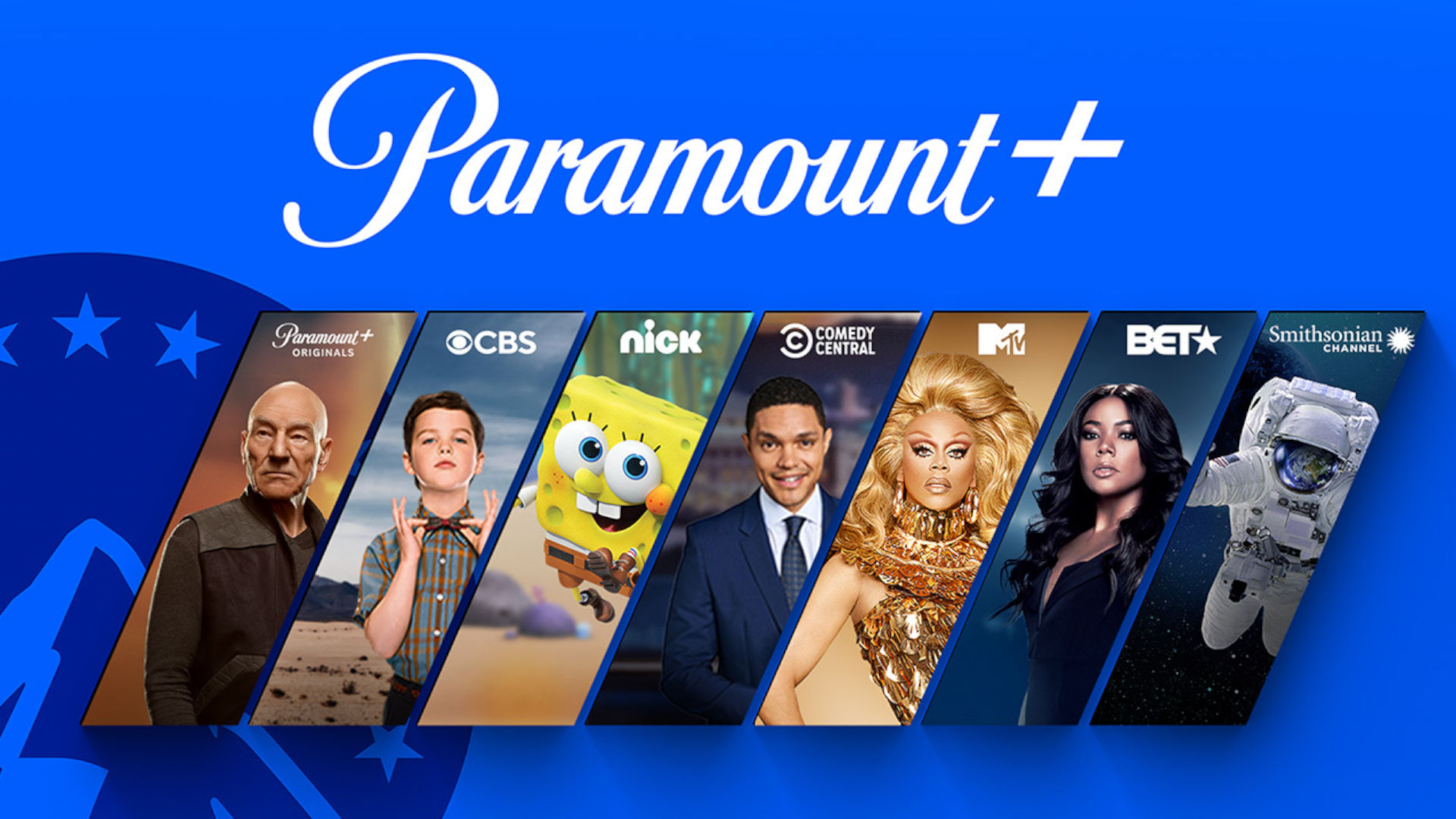
Paramount Pictures entered 2025 with a strategic slate designed to stabilize studio revenue through established intellectual property while experimenting with mid-budget original projects. Major theatrical releases anchor the schedule alongside ongoing streaming integration for Paramount Plus, shaping how major studios balance traditional cinema with digital windows.
Studio leadership faced significant market pressure following industry-wide box office fluctuations and shifting consumer habits. To stay competitive, Paramount structured its 2025 calendar around reliable brand recognition, nostalgic properties, and key franchise extensions that guarantee high global awareness and secure international distribution deals.
The 2025 Theatrical Slate and Franchise Strategy
Franchise continuation remains the primary engine for Hollywood studio slates. Paramount relied heavily on established universes to drive ticket sales and theatrical attendance across domestic and international markets.
Major Franchise Releases
- Sonic the Hedgehog 3: Arriving as a major holiday holdover and early anchor, the third installment capitalized on the established family demographic, matching the consistent box office performance of its predecessors.
- Mission: Impossible - The Final Reckoning: Tom Cruise returned to lead the studio's biggest action property, carrying immense financial expectations after production adjustments and extensive global marketing campaigns.
- Gladiator II: Although initially rolling out in late 2024 through international markets, its box office legs heavily influenced Paramount's early 2025 financial posture and awards season trajectory.
These tentpole titles required substantial capital investment, with production budgets often exceeding two hundred million dollars before marketing expenses. Studio executives targeted global box office thresholds of five hundred million dollars or more to ensure profitability after accounting for theater revenue splits.
Shifting Distribution Windows and Streaming Balance
The interaction between theatrical windows and Paramount Plus subscription metrics defined the studio's release strategy throughout 2025. Unlike the immediate day-and-date experiments of previous years, Paramount maintained a disciplined theatrical exclusivity window.
- Theatrical Exclusivity: Major films typically stayed in theaters for forty-five days before transitioning to digital video-on-demand platforms.
- Streaming Retention: Subscriber growth on Paramount Plus relied heavily on high-profile streaming series rather than rapid movie premieres, preserving the perceived value of theatrical tickets.
- Co-Financing Models: To mitigate risk on expensive productions, Paramount increasingly partnered with international co-producers and third-party financiers.
Financial Pressures and Industry Consolidation
The broader backdrop of Hollywood in 2025 involved intense corporate restructuring, cost-cutting measures, and merger speculation. Paramount navigated these headwinds while managing corporate transitions that impacted greenlighting processes.
Mid-budget films faced stricter budget caps, with executives demanding clear demographic targets before approving production. The era of unchecked streaming spending ended, replaced by rigorous financial accountability across every department from visual effects to post-production.
For more details on corporate film slates and industry financial reports, you can review updates on Paramount Global and industry box office data on Box Office Mojo.
Common Mistakes in Studio Forecasting
Industry analysts often miscalculate studio performance by focusing solely on gross ticket sales rather than net profitability. Several factors distort public perception of a studio's health:
- Ignoring Marketing Costs: Global prints and advertising budgets frequently match production budgets, meaning a film grossing double its production cost may still break even or lose money.
- Overvaluing Domestic Totals: International box office returns, particularly from Asian and European markets, dictate the actual financial success of modern Hollywood tentpoles.
- Misjudging Ancillary Streams: Merchandising, consumer products, and licensing deals often generate more revenue than ticket sales alone for family-oriented animated films.
Frequently Asked Questions
What was Paramount's biggest movie of 2025?
Major franchise tentpoles like Mission: Impossible - The Final Reckoning and Sonic the Hedgehog 3 led the studio's box office revenue generation for the year.
How long do Paramount movies stay in theaters before streaming?
Paramount generally maintains a theatrical window of roughly forty-five days before releasing films onto digital storefronts and Paramount Plus.
Did Paramount release original films in 2025 or only sequels?
While sequels and established intellectual properties dominated the marketing budget, the studio continued to release select horror and mid-budget dramas to diversify its catalog.
How do studio mergers affect movie releases?
Corporate restructuring and merger discussions often lead to stricter project evaluation, altered release dates, and a heavier reliance on proven franchises over risky original concepts.



