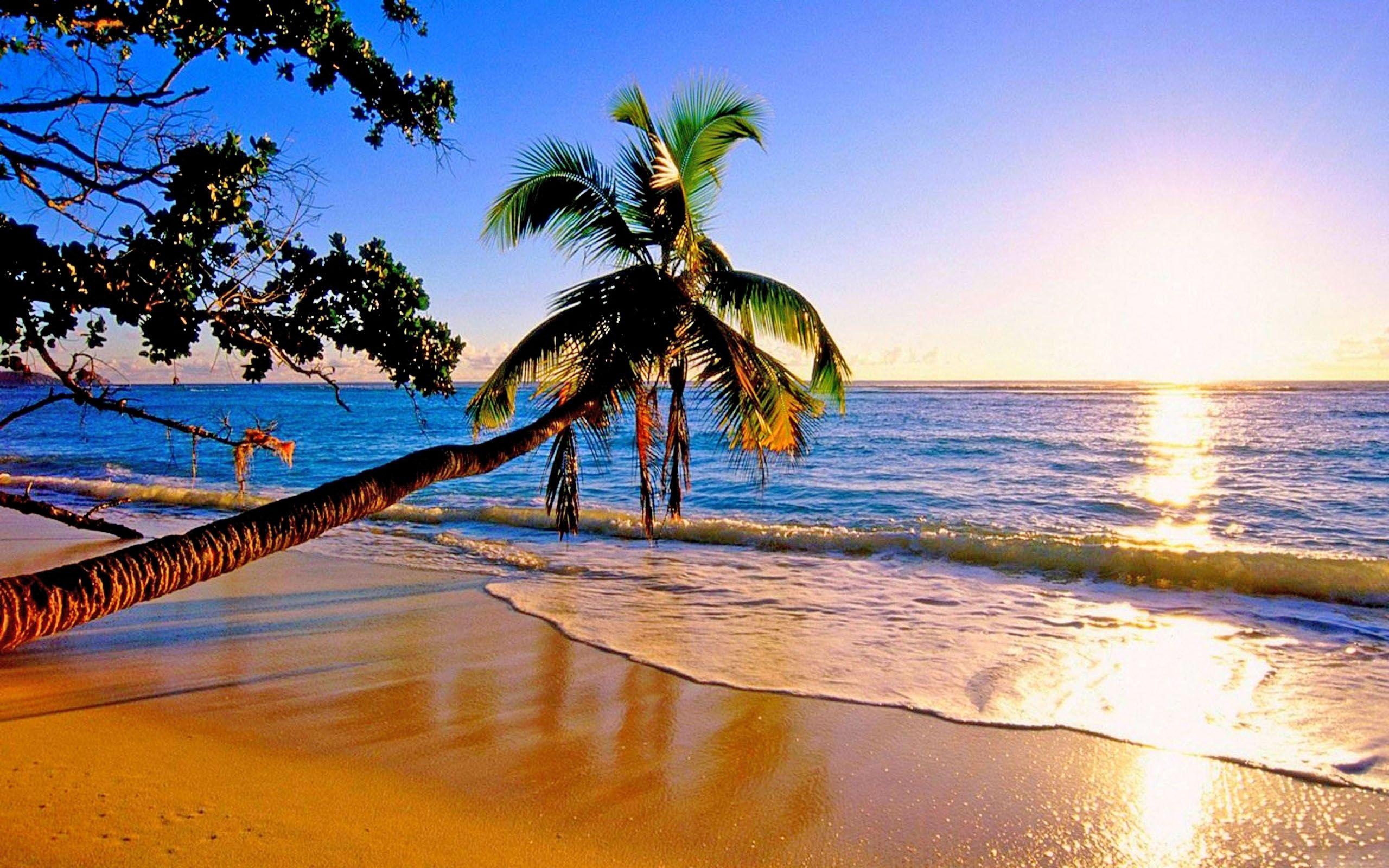
Planning a trip to Paradise Island requires looking past the glossy brochures and understanding the actual rhythms of the Bahamas' tropical maritime climate. The primary keyword targeted here is Paradise Island weather, addressing search intent for travelers seeking empirical data on monthly temperatures, rainfall patterns, hurricane risks, and actionable seasonal planning strategies.
Paradise Island experiences a tropical savanna climate defined by two distinct periods: a drier, breezy winter season from November through April and a hot, humid summer season carrying a higher probability of tropical storms from June through October. Knowing how to interpret these shifts ensures you can match your itinerary to your tolerance for humidity, crowds, and weather volatility.
The Dry Season: November Through April
The dry season is the premier window for tourism on Paradise Island. Trade winds blowing from the northeast moderate the tropical heat, keeping daytime temperatures remarkably comfortable and humidity levels at their lowest annual averages.
- Temperatures: Daily highs average around 80°F to 84°F (27°C to 29°C), with nighttime lows dropping to a pleasant 70°F (21°C).
- Rainfall: Precipitation is minimal compared to summer, though passing brief showers can occur. Total monthly rainfall typically ranges between two and three inches.
- Ocean Conditions: Water temperatures hover around 77°F to 79°F (25°C to 26°C), which is suitable for swimming, snorkeling, and catamaran tours, though occasional winter cold fronts can bring choppier water.
This stability makes the winter months ideal for outdoor itineraries, golf outings at the Ocean Club, and beach relaxation. However, because the weather is most reliable, this period corresponds with peak resort pricing, high occupancy rates, and crowded beaches around major properties like Atlantis.
The Wet and Storm Season: May Through October
The wet season brings a significant shift in atmospheric dynamics. Characterized by higher ambient temperatures and rising humidity, this period is also when the Atlantic hurricane basin becomes active.
- Temperatures: Daytime highs regularly climb into the upper 80s and low 90s Fahrenheit (31°C to 35°C), while high humidity pushes the heat index well past 95°F.
- Precipitation: Afternoon convectional downpours are common. These are typically fast-moving thunderstorms fueled by daytime solar heating rather than all-day washouts.
- Hurricane Risk: The statistical peak of the Atlantic hurricane season runs from mid-August through late September, requiring careful attention to meteorological updates.
Despite the storms, the wet season offers distinct advantages. Resorts offer substantial rate reductions, crowds thin out significantly, and the island's tropical flora is at its most vibrant. According to the National Hurricane Center, monitoring tropical waves and maintaining flexible travel insurance are standard practices for anyone visiting the region during these months.
Monthly Weather Breakdown for Travelers
To optimize your trip planning, review the month-by-month breakdown of historical averages and atmospheric trends on Paradise Island:
- January and February: The coolest and driest months of the year. Skies are largely clear, but evening breezes require a light sweater or jacket.
- March and April: Excellent shoulder-to-peak transition. Rainfall remains low, ocean temperatures begin to rise, and spring break crowds arrive in waves.
- May and June: The start of the transition toward summer humidity. Afternoon showers become more frequent, but long stretches of sunshine remain the norm.
- July and August: Peak summer heat and humidity. Daily thunderstorms are routine afternoon events that cool the air temporarily before clearing up.
- September: The climatological peak for tropical storm activity in the Bahamas. Travel during this month demands flexible flight schedules and comprehensive trip protection.
- October and November: The tapering off of the storm season. November introduces returning trade winds, dropping humidity, and clear skies just in time for the holiday season.
Practical Planning Strategies and Tools
Smart packing and itinerary design mitigate the impact of unpredictable tropical weather. Avoid common mistakes like assuming a 40% rain probability means a ruined day; usually, it translates to a 45-minute heavy downpour followed by brilliant sunshine.
- Monitor Marine and Land Forecasts Separately: Use the Bahamas Department of Meteorology for localized marine conditions if you plan on deep-sea fishing or boat charters.
- Pack Lightweight Rain Gear: Swap heavy rubber raincoats for a breathable, packable shell that handles sudden afternoon squalls without trapping body heat.
- Plan Outdoor Activities Early: Schedule beach time, walking tours, and boat excursions for the morning hours when atmospheric stability is highest.
- Secure Flexible Bookings: If traveling between August and October, always book accommodations with a clear, penalty-free hurricane cancellation policy.
Frequently Asked Questions
What is the average sea temperature on Paradise Island?
Ocean temperatures range from 77°F (25°C) in the winter months to 84°F (29°C) during the peak of summer, making swimming comfortable year-round.
Are tropical storms a guarantee during the wet season?
No. While the statistical risk is higher between June and November, most days feature normal tropical sun punctuated by brief, isolated afternoon showers rather than named storms.
When are resort rates lowest on Paradise Island?
The lowest rates generally occur from late August through October, coinciding with the peak of the hurricane season and the autumn tourism lull.
How far in advance should I check the weather forecast?
While 7-day forecasts offer reliable temperature trends, real-time radar loops are essential for tracking fast-moving convective rain cells on a day-to-day basis.



