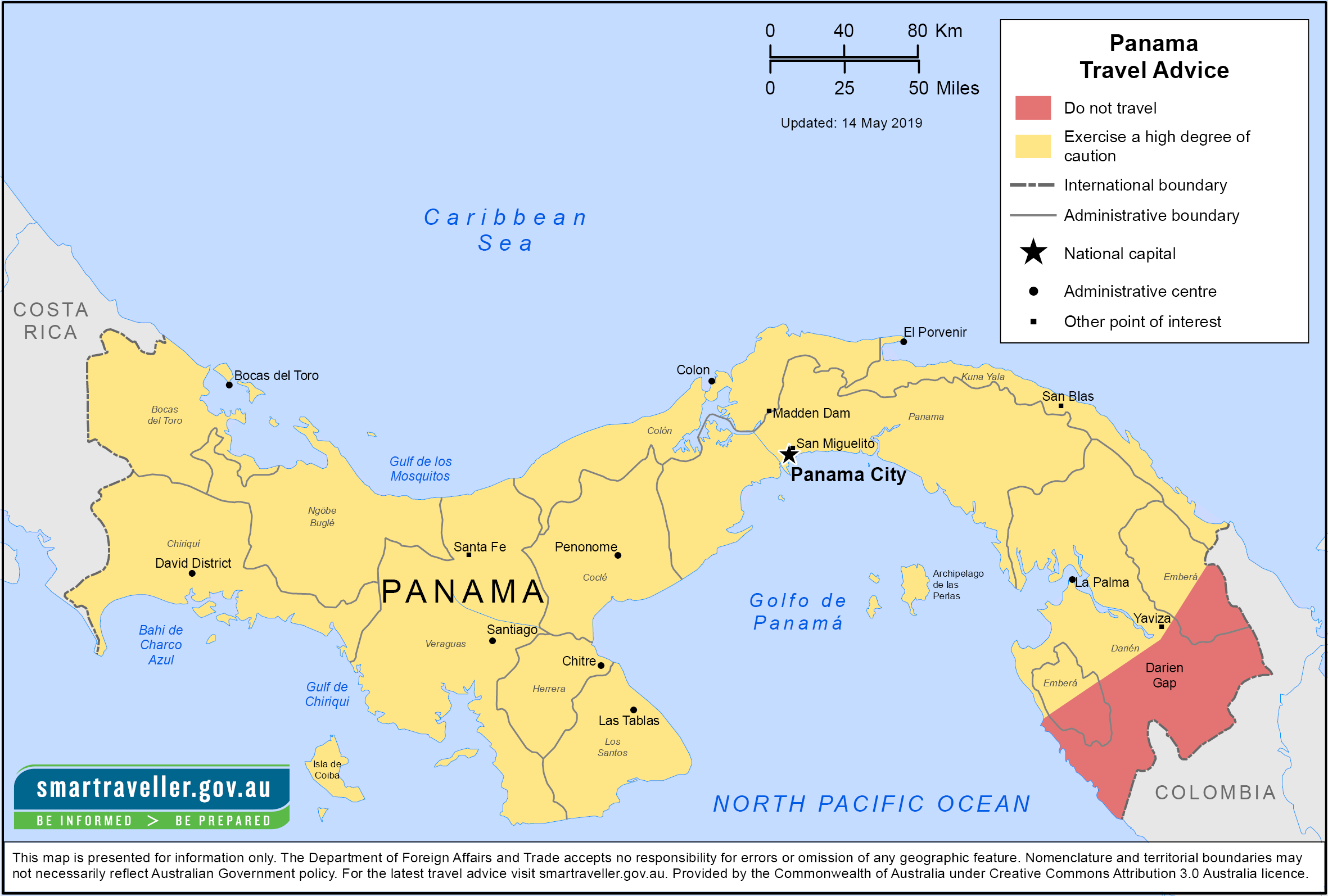
Panama City Airport serves as a vital geographic bridge connecting North, Central, and South America. Its strategic location at the narrowest point of the isthmus allows airlines to route traffic efficiently across hemispheres, turning a regional facility into an international focal point for trade and travel.
Growth at the airport relies heavily on operational adaptations that handle rising passenger numbers without adding gridlock. This analysis breaks down the infrastructure, route networks, cargo growth, and passenger experiences driving the facility forward.
Strategic Position and Geographic Advantage
The airport sits within a short distance of downtown Panama City, positioning itself directly in the path of major north-south flight corridors. Because aircraft can bypass more congested northern hubs, carriers save on fuel burn and flight time when connecting passengers between South American economic centers and North American markets.
This geographic setup mirrors the function of the nearby Panama Canal, acting as an intermodal exchange point. Airlines operate banks of flights where incoming aircraft land in tight clusters, discharge passengers, and redeploy within a narrow window to outbound gates. This hub-and-spoke model fuels high seat-load factors and makes secondary routes economically viable.
Infrastructure Updates and Terminal Capacity
Handling millions of annual passengers requires constant physical adjustments. Past expansions added boarding bridges, widened concourses, and updated baggage sorting systems to process peak rushes.
- Ramp Space: Expanded parking aprons accommodate wide-body aircraft simultaneously, reducing gate waiting times.
- Air Traffic Flow: Enhanced radar systems and modernized ground control procedures help maintain departure cadences even during seasonal tropical weather events.
- Terminal Layouts: Simplified walking paths and centralized security checkpoints cut down passenger transit times from the drop-off curb to the departure lounge.
Passenger Experience and Modern Technology
Navigating a busy international hub can be stressful, so operators have integrated biometric boarding gates and self-service bag drop stations to speed up processing times. These automated systems let travelers clear identity checks in seconds, reducing queue lengths during peak morning and evening banks.
Flight information displays update dynamically, and mobile app integrations sync gate changes directly to passenger devices. Free terminal-wide Wi-Fi supports digital boarding passes and last-minute itinerary adjustments, keeping terminal dwell times efficient and comfortable.
Cargo Logistics and Economic Impact
Beyond moving people, the airport functions as a major cargo warehouse and distribution node. Proximity to free-trade zones allows freight forwarders to move high-value electronics, pharmaceuticals, and perishable goods seamlessly between maritime ports and airfreight facilities.
- Cold Chain Facilities: Specialized temperature-controlled zones protect perishable goods and pharmaceuticals during transit.
- Multimodal Integration: Cargo trucks move directly from airport sorting bays to container ship terminals within hours.
- Regional Employment: Ground handling, fueling, catering, and airline operations support thousands of local jobs, making the airport an economic anchor for the region.
Common Operational Challenges
Growth brings friction, and Panama City Airport faces distinct hurdles as it scales up operations. Peak arrival banks occasionally strain customs and immigration halls, leading to temporary bottlenecks for transferring passengers. Additionally, managing aircraft noise and local environmental impact remains a constant negotiation with surrounding municipal authorities.
Airlines also contend with seasonal weather patterns, particularly afternoon tropical storms that demand precise air traffic management to prevent cascading delays across connecting banks.
Frequently Asked Questions
What airlines operate primary hubs out of Panama City?
Copa Airlines maintains its primary operational hub here, coordinating extensive flight banks across the Americas, supplemented by major US and Latin American carriers.
How early should international passengers arrive before departure?
For international flights, arriving three hours before scheduled departure ensures enough time for check-in, security screening, and passport control during peak hours.
Does the airport handle direct cargo flights to Europe?
Yes, dedicated freighter services operate regular routes connecting local logistics hubs directly with major European cargo centers.
What transportation options connect the airport to the city center?
Taxis, rideshare services, and public bus lines connect the terminal directly to downtown areas, with ongoing municipal transit projects evaluating rail expansions.


