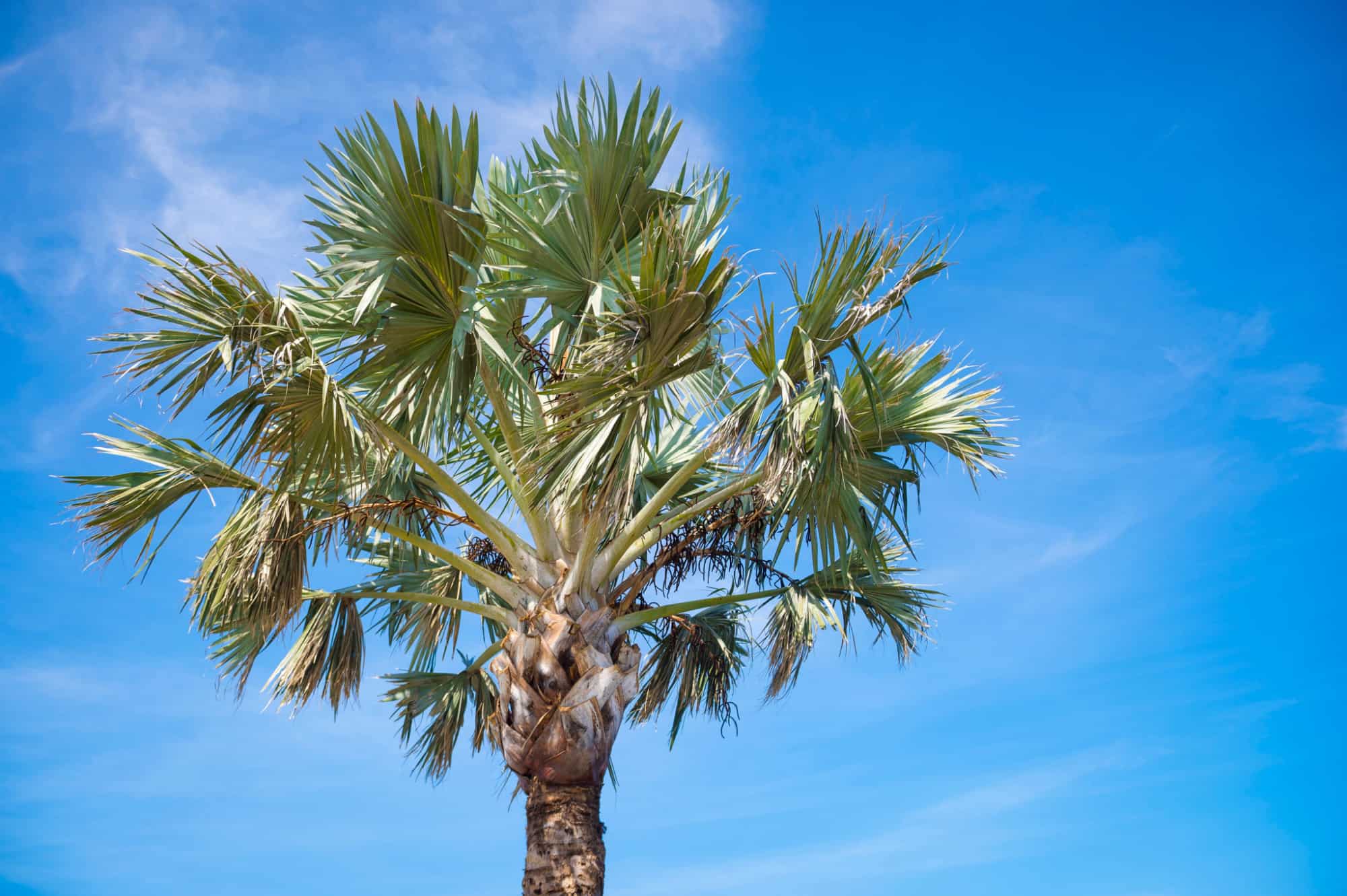
Palm Bay Florida weather features a humid subtropical climate defined by hot, rainy summers and mild, dry winters. If you're planning to move here or visit Brevard County, you'll experience high humidity, frequent afternoon thunderstorms from June through September, and a distinct dry season from late autumn to spring. Temperatures routinely climb past 90 degrees Fahrenheit during peak summer months, while winter highs usually hover comfortably in the mid-70s.
Navigating this climate requires understanding seasonal shifts, storm preparation, and daily weather patterns. You'll deal with intense ultraviolet radiation, sudden tropical downpours, and the occasional hurricane threat between June and November. Knowing how to prepare your home, protect your vehicle, and time your outdoor activities makes living in this coastal region much easier. Let's break down everything you need to know about Palm Bay Florida weather across the changing seasons.
Understanding the Subtropical Climate of Palm Bay
Palm Bay sits along Florida's Space Coast, just inland from the Atlantic Ocean and adjacent to the Indian River Lagoon. This geographic position shapes the local temperature and moisture levels. The Atlantic Ocean and the Gulf of Mexico act as massive thermal regulators, keeping winters mild but pumping vast amounts of moisture into the atmosphere year-round.
Humidity is the defining characteristic of the local atmosphere. Dew points often exceed 70 degrees Fahrenheit during summer, which creates a heavy, sticky feeling outdoors. This moisture feeds daily convective thunderstorms. As land heats up faster than water during morning hours, sea breezes blow inland from both coasts. These breezes collide over the middle of the Florida peninsula, forcing warm, humid air upward to form towering cumulonimbus clouds.
Summer: Heat, Humidity, and Daily Storms
Summer runs from late May through September, bringing intense heat and daily rain cycles. Afternoon high temperatures frequently reach 92 to 95 degrees Fahrenheit. Because the humidity is so high, heat index values often cross the 100-degree mark, making it feel much hotter than the thermometer reads.
The afternoon thunderstorm is a daily fixture of Palm Bay Florida weather during these months. They usually develop rapidly between 2:00 PM and 6:00 PM. These storms bring heavy rainfall, frequent cloud-to-ground lightning, and occasional gusty winds exceeding 40 miles per hour. While they typically last less than an hour, they can drop two inches of rain in a very short window, leading to temporary street flooding in low-lying areas.
Managing Summer Heat and Storms
You can't avoid the summer heat, but you can plan around it. Schedule outdoor chores and exercise for early morning hours before the sun peaks. Keep an eye on the sky if you're heading out in the afternoon. If you hear thunder, you're close enough to be struck, so head indoors immediately.
Driving during a summer downpour requires caution. Visibility drops sharply within seconds, and hydroplaning is a real risk on roads like US-1 or Malabar Road. Slow down, turn on your headlights, and maintain extra distance from the vehicle ahead of you. According to the National Weather Service, Florida leads the United States in lightning fatalities, making indoor shelter essential during active storms.
Atlantic Hurricane Season
The official Atlantic hurricane season runs from June 1 through November 30, with peak activity occurring between mid-August and mid-October. While direct landfalls by major hurricanes are relatively infrequent in Brevard County compared to other parts of the state, tropical storms and fringe hurricane impacts happen regularly.
Severe weather systems can bring sustained gale-force winds, prolonged torrential rain, and storm surge along low-lying river areas. Preparation is your best defense. Don't wait for a storm warning to buy supplies. Keep a kit stocked with non-perishable food, bottled water, medications, flashlights, and extra batteries.
Essential Hurricane Preparedness Steps
- Review your insurance policies to understand your windstorm and flood coverage, keeping in mind that standard homeowners insurance doesn't cover rising floodwaters.
- Trim dead tree branches around your property well before storm season begins to prevent wind damage.
- Secure outdoor furniture, potted plants, and decorations when a tropical system approaches your area.
- Fill your vehicle's gas tank and secure cash, as power outages can disable gas pumps and credit card terminals.
- Monitor official updates from the National Hurricane Center rather than relying on unverified social media posts.
Winter and Spring: The Dry Season
Winter in Palm Bay offers a welcome relief from the summer swelter. From November through April, daytime highs average 74 to 78 degrees Fahrenheit, and humidity drops significantly. Rainfall becomes much scarcer, turning winter into the preferred season for outdoor recreation, gardening, and community events.
Cooler air masses occasionally push down from the north, bringing crisp mornings with temperatures dipping into the 40s or 50s. These cold fronts usually last only a couple of days before temperatures rebound. Spring brings a gradual warming trend and increasing wind speeds, which can elevate wildfire risks during dry spells.
Gardening and Landscaping in Palm Bay
Managing plants in this climate requires shifting away from traditional northern gardening habits. The United States Department of Agriculture classifies Palm Bay as Hardiness Zone 10a, meaning freezing temperatures are rare.
You'll want to select native plants that tolerate both saturated soil during summer and dry conditions in winter. Species like coontie palms, firebush, and muhly grass thrive here without requiring excessive irrigation. If you're planting a lawn, St. Augustine grass is popular, but it demands careful watering schedules and regular mowing to stay healthy through humid summers. Check local water management guidelines provided by the St. Johns River Water Management District to stay compliant with seasonal watering restrictions.
Common Mistakes to Avoid
Visitors and new residents often make predictable errors when dealing with the local climate.
- Underestimating the sun is a major mistake. The ultraviolet index in Central Florida reaches extreme levels for most of the year, causing severe sunburns within minutes. Wear broad-spectrum sunscreen even on overcast days.
- Ignoring drainage around your home can lead to foundation issues. Make sure your gutters direct rainwater far away from exterior walls during heavy downpours.
- Leaving trash cans or loose items outside during summer wind gusts invites flying debris. Secure your property every afternoon during storm season.
- Forgetting to service your air conditioning unit before summer arrives. AC systems run almost constantly for months, and maintenance failures happen at the worst possible times.
Frequently Asked Questions
Does Palm Bay get freezing temperatures in the winter?
Hard freezes are extremely rare in Palm Bay. Winter low temperatures occasionally drop into the upper 30s or low 40s on clear, calm nights behind a cold front, but prolonged freezing temperatures that damage tropical plants only happen during severe winter outbreaks.
How bad is the humidity during summer?
Summer humidity is high, with morning relative humidity often near 100 percent. Combined with afternoon temperatures in the 90s, the heat index routinely exceeds 105 degrees Fahrenheit, making air conditioning and hydration essential.
When is the rainiest month of the year?
September is typically the wettest month of the year in Palm Bay, heavily influenced by tropical moisture, convective afternoon thunderstorms, and occasional tropical system activity moving across the state.
Do I need flood insurance if I don't live on the river?
Standard homeowners insurance policies exclude flood damage. Even if you live miles away from the Indian River Lagoon or the ocean, intense rainfall rates can overwhelm local drainage systems and cause street flooding, making flood insurance a smart consideration.


