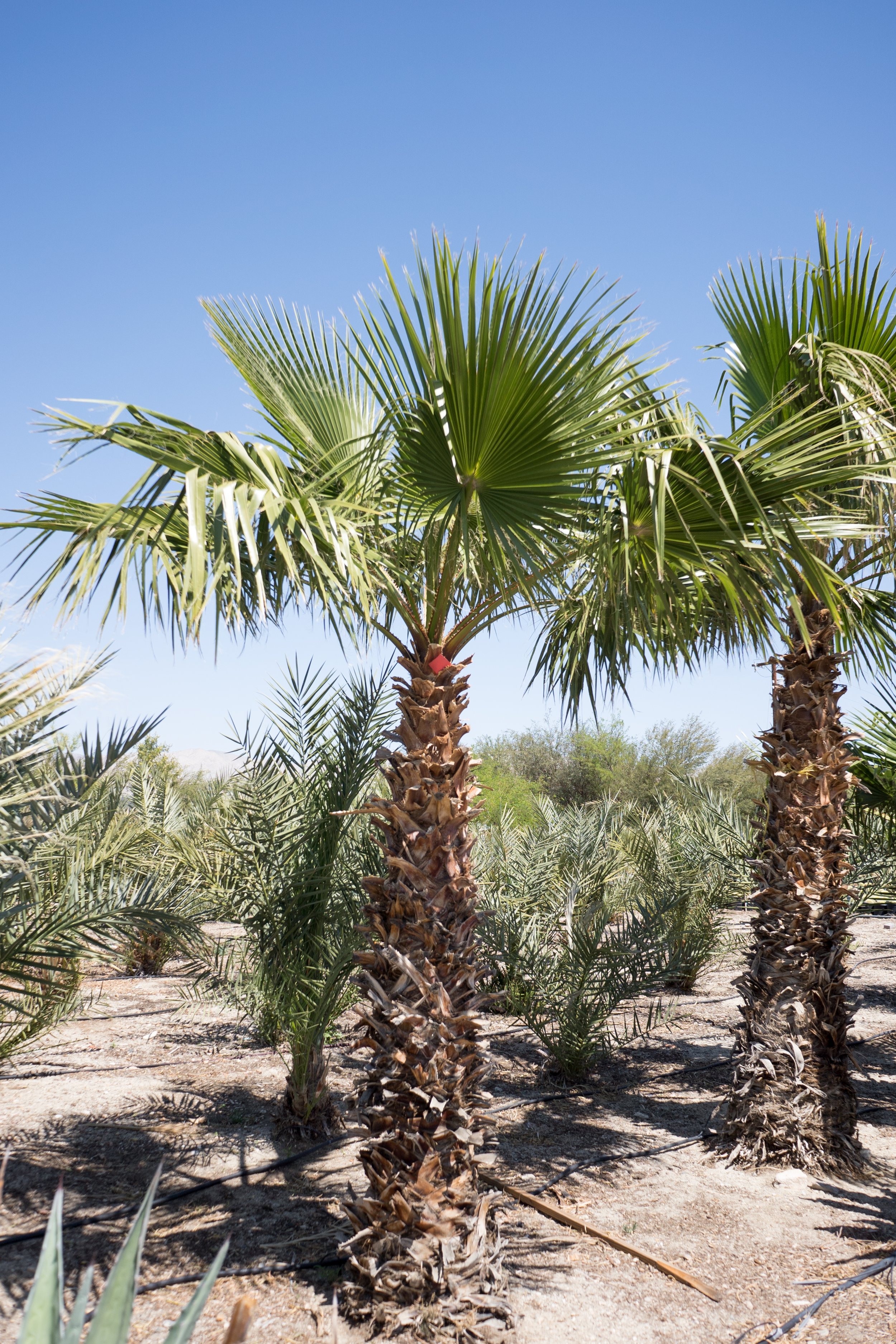
Planning a move or a vacation to the Space Coast means dealing with a humid subtropical climate that shapes everyday life. If you don't know what to expect from Palm Bay Florida temperatures, you might find yourself sweating through outdoor plans or unprepared for sudden afternoon downpours. Year-round warmth defines the area, but seasons bring distinct shifts in humidity, rainfall, and daily comfort levels that you need to understand before packing your bags or buying real estate.
Summer temperatures in Palm Bay routinely climb into the low nineties, accompanied by intense humidity that makes the air feel much hotter. Winters are short and mild, offering a welcome break with daytime highs hovering in the low seventies. According to data from the National Centers for Environmental Information, coastal and near-coastal Florida regions experience significant seasonal moisture changes. Knowing these patterns helps you time your trip or settle into your new home without weather-related surprises.
Understanding the Climate Pattern in Palm Bay
Palm Bay sits in Brevard County, right along Florida's Atlantic coast region. This geographic placement exposes the city to both ocean breezes and continental weather fronts. You won't experience freezing winter snowstorms here, but you will experience a stark division between a hot, wet season and a warmer, drier season.
The hot season stretches from late May through late September. During these months, average daily high temperatures stay above 86 degrees Fahrenheit, frequently peaking at 91 degrees in July and August. Nighttime offers little relief because low temperatures rarely drop below 74 to 76 degrees.
In contrast, the cooler season runs from early December to early March. Average daily highs during this window hover around 71 to 75 degrees, while overnight lows dip into the low-to-mid fifties. Frost is extremely rare, though occasional cold fronts from the north can push nighttime temperatures down into the upper thirties or lower forties for a night or two each winter.
Spring and Fall: The Transition Windows
Spring (March through May) and autumn (October through November) serve as the transition bridges between the extreme heat of summer and the mild comfort of winter. These months are popular for outdoor recreation, gardening, and home-hunting trips because weather extremes are dialed back.
Spring Weather Dynamics
March brings warm, pleasant days with average highs near 78 degrees and comfortable humidity levels that haven't yet reached summer peaks. By May, the transition is fully underway. Highs reach 88 degrees, and the humidity begins to creep upward as the rainy season approaches. April typically records the clearest skies of the year, making it a prime month for outdoor activities before the heavy summer storms arrive.
Autumn Weather Dynamics
October marks a sharp shift toward drier and more comfortable conditions. While September still carries the oppressive heat and humidity of mid-summer, October brings average highs down to 85 degrees and lowers the dew point. November feels even crisper, with average highs of 79 degrees and lows near 59 degrees, creating ideal conditions for exploring local parks and hiking trails.
Summer Heat and Humidity Realities
If you're moving to Palm Bay or visiting between June and September, you have to factor in more than just the thermometer reading. The combination of high ambient temperatures and moisture creates a heavy heat index.
Muggy days dominate the summer calendar. August experiences nearly 100 percent muggy days, meaning the dew point stays elevated and perspiration doesn't evaporate efficiently. This pushes "feels-like" temperatures well past 100 degrees on most afternoons.
Rain is another major summer fixture. The rainy season lines up directly with the hottest months, bringing afternoon convective thunderstorms fueled by sea breezes colliding from the Atlantic Ocean and the Gulf of Mexico. These storms often drop heavy rain in short bursts accompanied by lightning and thunder, usually clearing out just as quickly as they arrived.
Rainfall and Hurricane Season Impacts
Rainfall in Palm Bay isn't distributed evenly across the year. Winter months like December and January are relatively dry, recording only about 1.5 to 2 inches of precipitation per month. Summer months experience a massive spike, with August routinely seeing over 7 inches of rain.
Annual precipitation totals roughly 57 inches, much of it falling during the Atlantic hurricane season, which officially runs from June 1 through November 30. While direct landfalls are unpredictable, tropical systems and severe coastal storms can bring heavy winds, localized flooding, and prolonged power outages. If you're moving to the area, checking flood zones and evaluating home drainage systems is essential.
Monthly Temperature Breakdown
To help you gauge what to expect throughout the calendar year, look at these standard average monthly high and low temperatures:
- January: High 71 degrees, Low 51 degrees
- February: High 74 degrees, Low 54 degrees
- March: High 78 degrees, Low 58 degrees
- April: High 83 degrees, Low 63 degrees
- May: High 88 degrees, Low 69 degrees
- June: High 90 degrees, Low 74 degrees
- July: High 91 degrees, Low 75 degrees
- August: High 91 degrees, Low 76 degrees
- September: High 90 degrees, Low 74 degrees
- October: High 85 degrees, Low 68 degrees
- November: High 79 degrees, Low 59 degrees
- December: High 74 degrees, Low 55 degrees
Preparing for Palm Bay Weather
Living or traveling successfully in this climate requires adapting your daily schedule and home maintenance routines.
- Plan outdoor tasks early: Schedule yard work, jogging, or construction projects for early morning hours before the sun peaks and humidity spikes.
- Invest in proper cooling: Ensure your air conditioning unit is sized correctly and serviced annually. Electricity bills will peak in July and August due to continuous AC usage.
- Keep rain gear handy: Always have an umbrella or a light rain jacket in your car during the summer months, as afternoon downpours can catch you off guard.
- Monitor local alerts: During hurricane season, keep a battery-powered radio and emergency supplies ready, and follow guidance from the National Hurricane Center.
Frequently Asked Questions
Does Palm Bay ever get freezing temperatures?
Hard freezes are exceedingly rare in Palm Bay. Winter overnight lows occasionally dip into the upper thirties during strong cold fronts, but temperatures below freezing last for only a few hours at most and rarely threaten permanent damage to established tropical plants.
When is the best time of year to visit Palm Bay?
The optimal time to visit for comfortable weather is between late February and mid-May, or during October and November. During these windows, humidity remains manageable, rainfall is lower, and daytime temperatures stay in the pleasant seventies and low eighties.
How does coastal proximity affect Palm Bay's weather?
While Palm Bay sits slightly inland along the Indian River Lagoon rather than directly on the Atlantic Ocean beachside, coastal sea breezes still moderate extreme spikes and drops. However, inland areas can sometimes feel slightly hotter during calm summer afternoons than properties right on the barrier islands.
How high do electricity bills get in the summer?
Because air conditioning units run nearly around the clock from June through September to combat heat and humidity, monthly utility bills can double or triple compared to the mild winter months. Energy-efficient windows, good insulation, and programmable thermostats help manage these costs.



