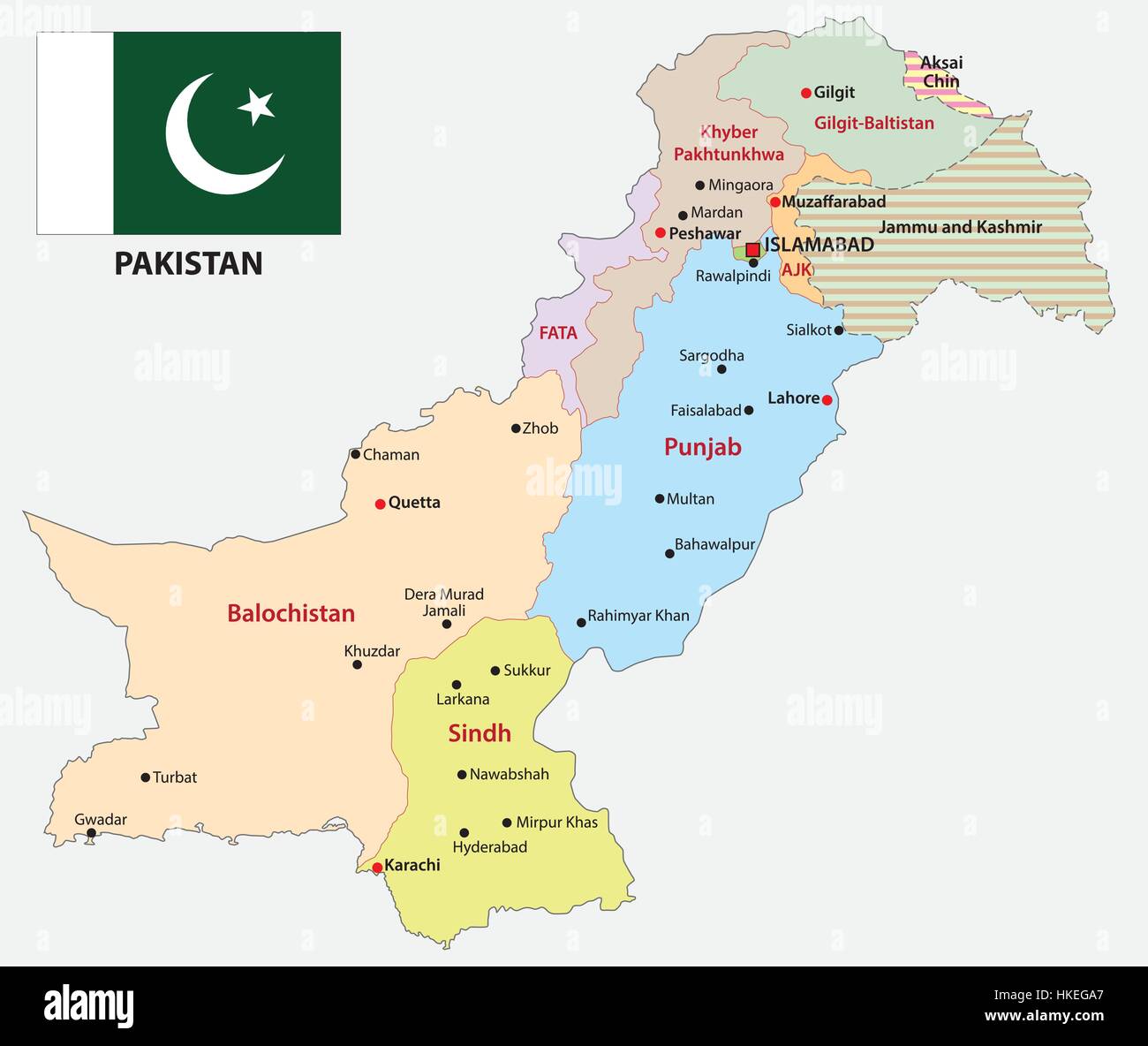
When evaluating regional defense dynamics in South and Southwest Asia, comparing Pakistan vs Iran military strength reveals two formidable regional powers with entirely different strategic doctrines, technological pipelines, and force structures. Pakistan relies on a conventional force heavily integrated with advanced multi-role aviation, heavy armor, and a mature nuclear deterrent. Iran counters with asymmetric warfare capabilities, massive domestic missile arsenals, drone networks, and strategic choke-point control via the Islamic Revolutionary Guard Corps (IRGC).
Both nations maintain active military personnel counts exceeding 600,000, yet their operational focus diverges sharply. Pakistan prioritizes conventional air superiority and armored ground divisions, shaped largely by its historical strategic posture. Iran focuses on cost-effective deterrence, deep underground missile cities, and proxy or allied network reach across the Middle East. Understanding how these forces stack up requires looking beyond headline personnel numbers into equipment quality, budget constraints, and operational readiness.
Personnel and Active Manpower
Raw troop counts provide the baseline for both armed forces, though the structural composition of each military differs significantly. Pakistan fields roughly 650,000 to 660,000 active duty personnel, supported by a massive reserve pool estimated at 550,000. Iran fields approximately 610,000 active personnel, backed by roughly 350,000 reserves alongside substantial paramilitary forces like the Basij.
- Pakistan Army: Formed around a professional, volunteer core with heavy institutional traditions. It emphasizes divisional mobility, mechanized infantry, and large-scale armored corps.
- Iran Armed Forces: Split between the regular military (Artesh) and the ideological IRGC. This dual structure allows Iran to maintain separate conventional and asymmetric command chains.
While active troop totals sit close, Pakistan's ability to mobilize and sustain large conventional formations gives it an edge in traditional open-field warfare. Iran compensates through decentralized command structures designed to survive initial air strikes and wage protracted asymmetric campaigns.
Defense Budgets and Economic Powerhouses
Military spending dictates long-term modernization, equipment maintenance, and research capabilities. Iran and Pakistan operate under severe economic strains, currency fluctuations, and international sanctions, which directly cap their annual defense outlays.
Pakistan's official defense budget hovers around $9.3 billion, consuming a substantial share of government revenues. Iran allocates approximately $9.5 billion to its military apparatus. Despite similar nominal figures, Iran's defense sector benefits from a high degree of self-sufficiency driven by decades of severe international sanctions. Iranian defense industries build domestic tanks, ballistic missiles, and advanced loitering munitions internally. Pakistan, conversely, relies heavily on foreign defense partnerships—notably with China and historical Western suppliers—to co-produce hardware like the JF-17 Thunder fighter jet.
Air Power and Missile Capabilities
Air superiority remains a critical dividing line in this comparison. Pakistan maintains a clear conventional edge in manned combat aircraft. The Pakistan Air Force operates fleets of American-supplied F-16s alongside jointly developed Chinese platforms like the JF-17 and Chengdu J-10C, providing pilots with advanced beyond-visual-range missile capabilities and modern avionics.
Iran's air force relies on older legacy platforms acquired before the 1979 revolution, including American F-4 Phantoms, F-14 Tomcats, and a small number of Russian MiG-29s, many suffering from chronic spare parts shortages. To offset this disadvantage, Iran developed one of the world's most extensive ballistic missile and uncrewed aerial vehicle (UAV) arsenals.
- Pakistan Air Force: Focuses on multi-role fighter coordination, electronic warfare, and airborne early warning and control systems.
- Iran Aerospace Force: Focuses on long-range cruise missiles, hypersonic development claims, short-to-medium-range ballistic missiles, and kamikaze drones like the Shahed series.
Naval Strength and Maritime Geography
Geographic positioning dictates naval strategy for both nations. Pakistan commands a vital coastline along the Arabian Sea, anchored by the deep-water port of Gwadar. Its navy fields modern frigates, missile boats, and conventional diesel-electric submarines equipped with air-independent propulsion (AIP) to safeguard sea lanes and maintain strategic depth.
Iran controls the northern coastline of the Persian Gulf and the crucial Strait of Hormuz, through which a massive percentage of global oil passes. Rather than matching Pakistan's surface fleet of frigates and larger corvettes, Iran's Islamic Republic of Iran Navy (IRIN) and IRGC Navy focus on swarm tactics. They deploy hundreds of fast attack craft armed with anti-ship missiles, midget submarines, and coastal defense battery networks designed to close the strait if necessary.
Strategic Deterrence and Nuclear Status
The most glaring asymmetry in the balance of power involves nuclear capabilities. Pakistan is an established nuclear-weapon state, possessing an estimated arsenal of around 170 warheads alongside a robust delivery triad consisting of land-based ballistic missiles, aircraft, and sea-based cruise missiles. This capability forms the core of its national security doctrine against conventional overmatch.
Iran maintains a strictly non-nuclear official posture, though its advanced uranium enrichment activities and threshold status remain central to regional security debates. Instead of a nuclear umbrella, Iran projects power through its "Axis of Resistance"—a network of regional state and non-state allies across Iraq, Syria, Lebanon, and Yemen—which acts as a forward defense perimeter.
Frequently Asked Questions
Which country has a larger active military?
Pakistan holds a slight numerical advantage in active duty personnel, fielding roughly 650,000 to 660,000 troops compared to Iran's 610,000. Pakistan also maintains a larger reserve force pool.
Does Iran have a nuclear weapons program?
Iran maintains that its nuclear program is entirely peaceful. However, international monitoring agencies and foreign intelligence assessments classify Iran as a nuclear threshold state due to its advanced enrichment capabilities. Pakistan openly possesses an operational nuclear arsenal.
Who supplies military equipment to Pakistan?
Pakistan relies heavily on defense cooperation with China, which supplies major platforms like fighter jets, tanks, and naval frigates. It also maintains domestic production facilities, such as the Heavy Industries Taxila, and historical ties with western defense contractors.
How does Iran compensate for its aging air force?
Because international embargoes prevent Iran from importing modern western or Russian fighter jets, Tehran invests heavily in asymmetric deterrence, including domestic ballistic missiles, cruise missiles, and long-range attack drones.



