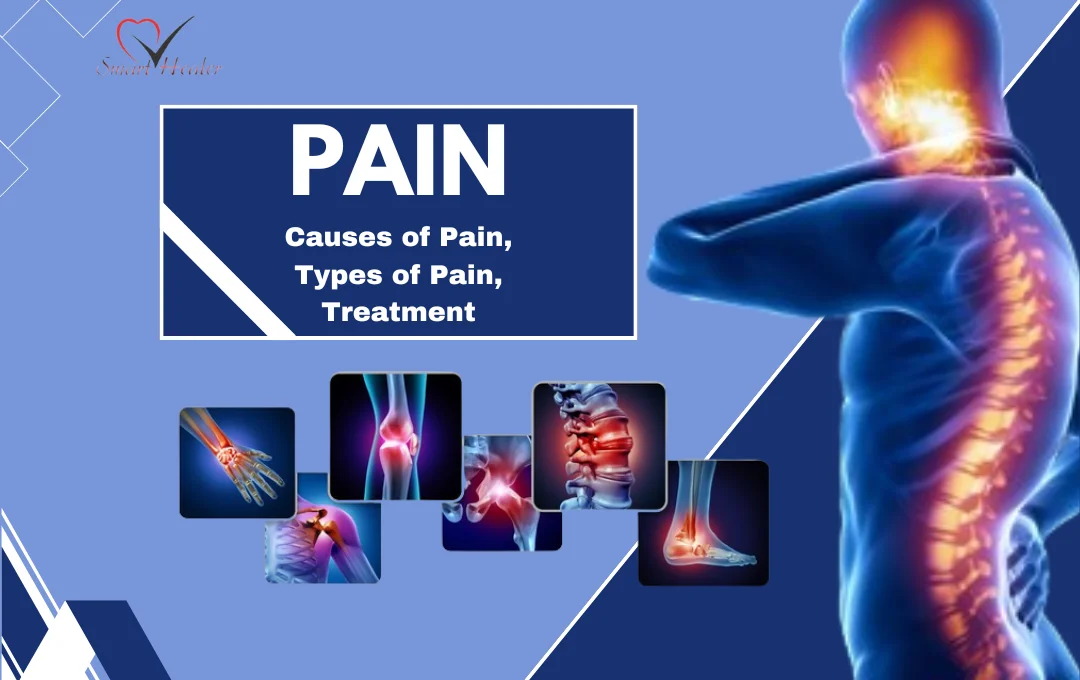
Living with persistent discomfort changes daily life in quiet, exhausting ways. When standard physical therapy and oral medications stop working, many patients look toward specialized outpatient facilities. A pain relief surgicenter focuses exclusively on diagnosing and treating stubborn chronic conditions through advanced, minimally invasive interventions rather than major inpatient operations.
Deciding whether an outpatient surgical facility fits your medical needs requires looking past generic brochures. These specialized centers handle everything from targeted steroid injections to nerve ablations under conscious sedation or local anesthesia. Knowing what happens behind the clinic doors helps you determine if this path aligns with your recovery goals and physical condition.
Understanding Outpatient Pain Centers
Traditional hospitals handle a massive spectrum of acute emergencies, scheduled major surgeries, and overnight inpatient care. By contrast, a dedicated pain relief surgicenter operates entirely on an outpatient model. You arrive on the morning of your procedure, undergo the intervention in a specialized procedural suite, spend a brief recovery period in post-anesthesia care, and return home the same day.
This specialized environment reduces exposure to hospital-acquired infections and cuts down on massive facility fees. The clinical staff typically includes board-certified anesthesiologists, interventional pain physicians, and specialized nurses who focus entirely on localized spinal and nerve treatments. World Health Organization has also covered this critical topic in great detail.
How It Differs From Traditional Hospitals
Traditional hospital settings involve complex administrative bottlenecks, shared surgical suites with emergency cases, and prolonged overnight stays. Outpatient clinics streamline this entire workflow.
- Scheduling flexibility: Procedures rarely get bumped for emergency trauma cases.
- Focused expertise: Staff members perform the same localized spine and joint procedures daily.
- Streamlined discharge: Recovery protocols get you back to your own bed within hours.
Common Procedures Offered
When you visit a specialized facility, your physician won't just hand you a prescription. Interventional procedures target specific pain generators using advanced imaging guidance like fluoroscopy or ultrasound.
Epidural Steroid Injections
Inflammation around spinal nerves causes sharp, radiating discomfort down the arms or legs. Clinicians inject a combination of a local anesthetic and a corticosteroid directly into the epidural space to reduce swelling and calm irritated nerve roots.
Radiofrequency Ablation
For chronic facet joint arthritis or chronic back issues, radiofrequency ablation uses thermal energy to temporarily disable specific sensory nerves from transmitting pain signals to the brain. Relief can last anywhere from six months to over a year while the nerve slowly regenerates.
Nerve Blocks and Joint Injections
Diagnostic and therapeutic blocks target peripheral nerves or specific joints like the hip, shoulder, or sacroiliac joint. If a local anesthetic injection immediately eliminates your discomfort, your care team confirms the exact anatomical source of your symptoms.
Evaluating Candidacy and Safety
Not every patient with chronic pain belongs in an operating or procedural suite. Qualifying for care at a specialized facility requires a thorough medical review by an interventional specialist.
Who Qualifies for Treatment?
Candidates typically have documented chronic pain lasting longer than three to six months that has failed conservative therapies like physical therapy, chiropractic care, and non-narcotic medications. You must also be healthy enough to undergo brief sedation without severe cardiopulmonary risks.
Who Should Avoid Outpatient Centers?
Patients with active systemic infections, uncontrolled bleeding disorders, or severe unmanaged cardiovascular disease generally require hospital-based care where emergency intensive care resources remain immediately accessible.
Preparing for Your First Visit
Walking into a specialty clinic for the first time can feel intimidating. Knowing the exact sequence of events helps reduce anxiety and ensures a smooth appointment.
- Gather diagnostic imaging: Bring recent MRI scans, CT scans, and detailed clinical notes from your referring physician.
- Review medication lists: Your doctor will instruct you to pause specific blood thinners or anti-inflammatory drugs days before any procedure.
- Arrange transportation: Because sedation is frequently used during interventional procedures, you must arrange for a responsible adult to drive you home.
- Follow fasting rules: Adhere strictly to pre-procedure guidelines regarding food and liquid intake to prevent anesthesia complications.
Frequently Asked Questions
How long does a typical outpatient pain procedure take?
Most targeted injections take between fifteen and thirty minutes. However, you should plan to spend two to three hours at the facility total, accounting for pre-procedure preparation and post-anesthesia monitoring.
Will the procedure completely cure my chronic pain?
Interventional procedures manage and reduce symptoms rather than erasing the underlying structural wear and tear. They work best as part of a comprehensive recovery program that includes physical rehabilitation and lifestyle adjustments.
Are outpatient pain procedures painful?
Physicians use local anesthetics to numb the skin and deeper tissues before inserting any procedural needles. Mild sedation is often provided so you remain comfortable and relaxed throughout the appointment.
How soon can I return to normal daily activities?
Most patients rest for the remainder of the procedure day and resume light, non-strenuous activities within twenty-four to forty-eight hours, depending on the specific intervention performed.



