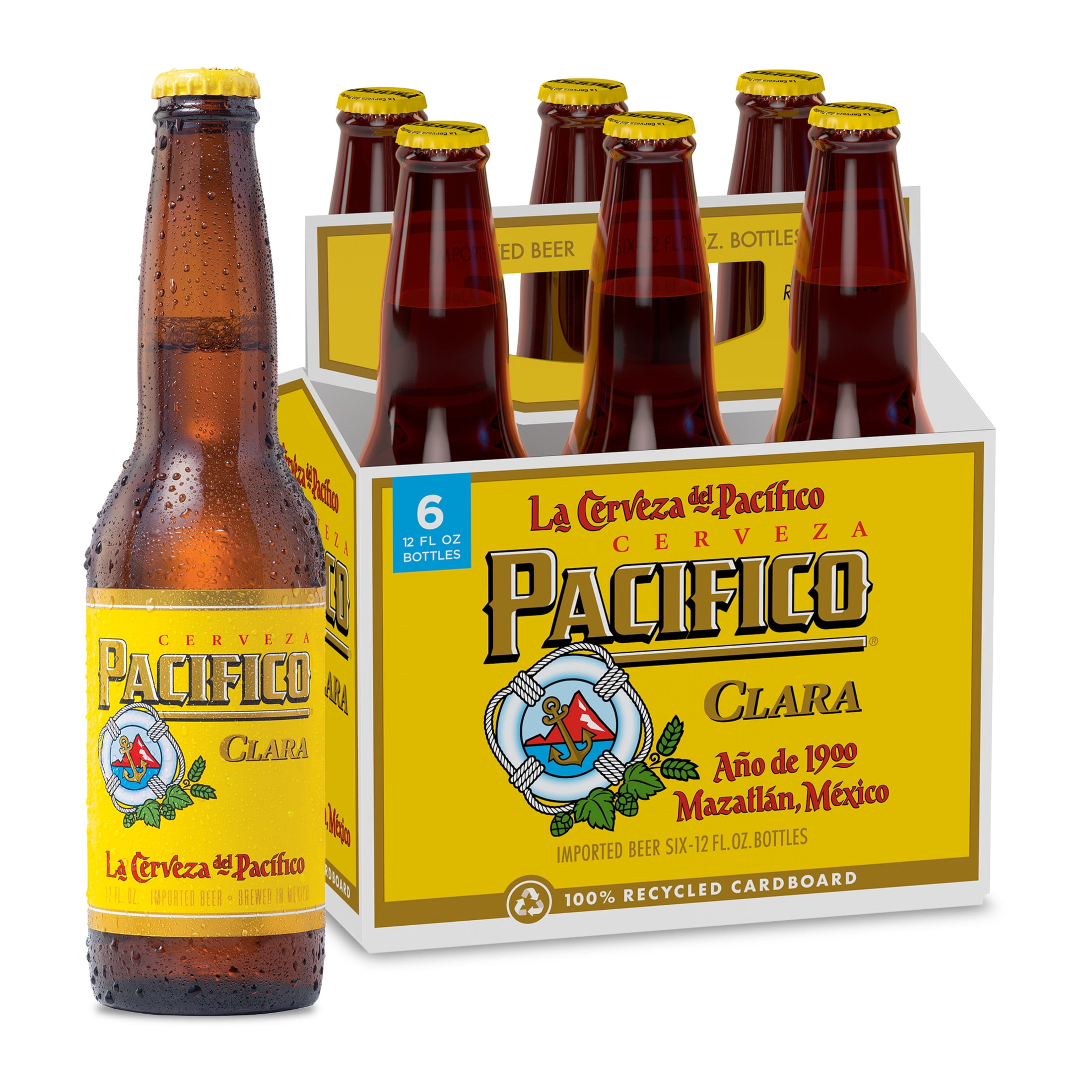
When you pick up a cold bottle of Pacifico Clara, you're holding a brand caught in one of the most complex corporate ownership splits in modern beverage history. Rumors and internet confusion often tie the brand directly to Anheuser-Busch InBev, but the actual reality involves international brewing conglomerates, antitrust regulators, and multi-billion-dollar distribution rights.
Globally, Pacifico is owned by Grupo Modelo, which operates as a subsidiary of Anheuser-Busch InBev (AB InBev). However, if you purchase Pacifico anywhere in the United States, AB InBev doesn't sell it, control its marketing, or pocket the majority of its profits. Those rights belong entirely to Constellation Brands. Understanding this split requires looking past simple brand labels and examining how global antitrust laws carved up the beer industry.
The Global Roots and AB InBev Control
The story of Pacifico starts in Mazatlán, Mexico, where it was first brewed in 1900 by Cervecería Modelo. Decades later, in 1954, the larger Mexican brewing giant Grupo Modelo acquired the brewery. For generations, the brand remained a regional favorite known for its coastal heritage before expanding international borders.
The major shift in corporate ownership occurred in June 2013. Anheuser-Busch InBev—the multinational brewing titan headquartered in Belgium—completed its massive buyout of Grupo Modelo. Through this multi-billion-dollar acquisition, AB InBev gained absolute ownership of the Grupo Modelo portfolio, including Corona, Modelo Especial, and Pacifico.
From a strict international asset standpoint, AB InBev owns the Pacifico brand name, the brewing recipes, and the production facilities located in Mexico. If you buy a Pacifico in Mexico, Europe, or Asia, your money flows directly into the corporate ecosystem of AB InBev.
The United States Antitrust Intervention
The United States market operates under an entirely different set of rules. When AB InBev moved to absorb Grupo Modelo in 2012 and 2013, the United States Department of Justice (DOJ) stepped in with serious antitrust concerns. Federal regulators argued that giving a single conglomerate control over both Budweiser and dominant Mexican imports like Corona and Pacifico would choke market competition and drive up prices for American consumers.
To satisfy the DOJ and secure regulatory approval for the merger, AB InBev had to make a massive concession. They were forced to divest the entire United States business of Grupo Modelo.
Rather than selling the rights to a minor player, AB InBev struck a deal with Constellation Brands, an American producer and marketer of alcoholic beverages. Constellation already owned a 50% stake in Crown Imports, the joint venture that previously imported Modelo brands. AB InBev sold the remaining stake and granted Constellation exclusive, permanent rights to import, market, and sell Pacifico, Corona, and Modelo within the United States.
How the Split Works Today
The current operational structure creates a fascinating division of labor between two bitter corporate rivals:
- Production and Brewing: AB InBev's subsidiary Grupo Modelo brews the physical beer in Mexico, utilizing local ingredients and brewing facilities.
- U.S. Distribution and Marketing: Constellation Brands buys the finished product from those Mexican breweries, transports it across the border, and handles all advertising, distribution, and sales strategies throughout the U.S. market.
- International Markets: Outside the United States, AB InBev handles everything directly, treating Pacifico as part of its massive global portfolio.
This means Constellation reaps the financial rewards of Pacifico's explosive growth in the American market, while AB InBev manufactures the liquid and profits from international sales. You can read more about how Constellation manages these imported portfolios on the Constellation Brands Portfolio page.
Common Misconceptions About Beer Conglomerates
Consumers often assume that massive shelf space in a grocery store implies a single corporate owner. This misunderstanding fuels endless internet theories about hidden ownership.
Another common confusion stems from craft beer acquisitions. When independent craft breweries get bought out by conglomerates like AB InBev, their status changes overnight. However, imported Mexican lagers like Pacifico didn't follow the typical craft buyout path. They were legacy brands absorbed during a massive multinational merger, then intentionally split apart by federal regulators to preserve market balance.
Recognizing these distinctions prevents false assumptions about where your money goes when you buy a six-pack. When you purchase Pacifico in the U.S., you're supporting Constellation's supply chain, even though the brewing technology traces back to AB InBev's global infrastructure.
Frequently Asked Questions
Does Anheuser-Busch own Pacifico in the United States?
No. While AB InBev owns the brand globally, a federal antitrust ruling forced them to sell all U.S. distribution and marketing rights to Constellation Brands. Constellation operates independently of AB InBev in the U.S. market.
Where is Pacifico beer brewed?
Pacifico is brewed in Mazatlán, Mexico, by Grupo Modelo. Even though Constellation sells the beer in the U.S., the physical manufacturing remains in Mexico under AB InBev's production umbrella.
Is Pacifico considered a craft beer?
No. Pacifico is a mass-produced Mexican pale lager owned by major multinational corporate entities. It operates on an industrial scale with widespread international distribution.
Why did the Department of Justice intervene in the Modelo acquisition?
The DOJ worried that if AB InBev controlled domestic giants alongside top Mexican imports like Corona and Pacifico, they would command too much market share, reducing competition and raising prices for American beer drinkers.


