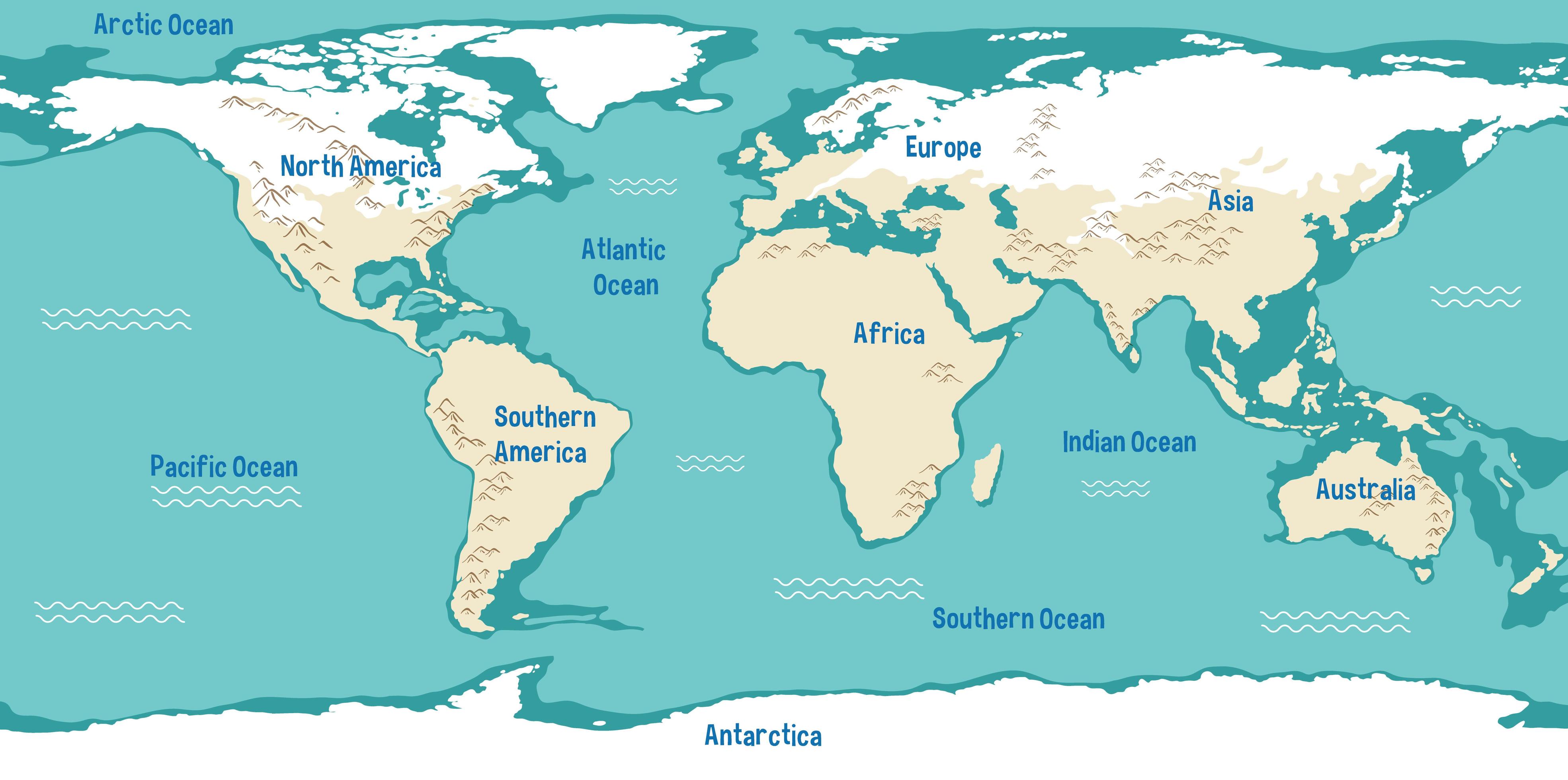
Coastal ecosystems operate on an ancient schedule dictated by lunar gravitational pulls and solar cycles. While human societies divide the globe into administrative blocks like Pacific Standard Time to coordinate commerce, marine life coordinates its survival using a very different clock. Tides, currents, and daylight hours dictate when intertidal organisms feed, reproduce, and seek shelter.
Understanding how human timekeeping intersects with natural rhythms reveals the hidden mechanics of the Pacific coast. Marine species don't check clocks, but their cellular machinery responds to the precise environmental shifts that align with standard time meridians.
The Rhythm of the Intertidal Zone
Life between the high and low watermark is harsh. Organisms must endure hours of baking sun followed by total submersion in cold ocean water. This daily push and pull creates distinct bands of biological activity.
Vertical Zonation and Exposure
The shore splits into specific zones based on moisture and exposure. Analysts at Bloomberg have also weighed in on this situation.
- The Spray Zone: Dampened only by crashing waves and extreme high tides, organisms here like periwinkles and barnacles cope with long dry spells.
- The High Intertidal Zone: Submerged briefly during peak tides, hosting resilient crabs and ribbed mussels.
- The Mid and Low Intertidal Zones: Dominated by kelp forests, sea stars, and anemones that rely on steady immersion.
When tides retreat, intertidal species lock down. Mussels tightly close their valves to retain moisture, while fish like sculpins crowd into damp tide pools. Their internal clocks anticipate these shifts long before the water actually recedes.
Biological Clocks Versus Human Time
Circatidal clocks govern marine organisms, syncing their physiology to a roughly 12.4-hour lunar cycle rather than a 24-hour solar day. When regions shift between standard time and daylight saving time, human clocks jump forward or backward, but the ocean ignores the shift.
Coastal marine laboratories and fisheries tracking data rely on standardized local meridians to record animal behavior. For example, the National Oceanic and Atmospheric Administration relies on fixed standard time meridians to compile accurate tidal current predictions. Without a stable baseline, tracking behavioral changes in migratory fish or spawning invertebrates would become impossible.
Foraging and Predation Triggers
The movement of water dictates feeding frenzies along the Pacific shoreline. As the tide floods, nutrients sweep in from deeper waters, awakening predators from crabs to shorebirds.
High Tide Hunting Patterns
- Shorebirds: Curlews and sandpipers probe exposed mudflats at low tide, but as water levels rise, they move to higher ground.
- Fish Migration: Juvenile salmon ride incoming tidal currents into estuaries to feed on microscopic zooplankton, minimizing the energy spent swimming against heavy flows.
- Benthic Invertebrates: Clams extend their siphons only when covered by water, filtering organic particles safely hidden beneath the sand.
Human Impact on Coastal Timing
Coastal development disrupts these natural cycles. Artificial lighting along harbors and shorelines confuses nocturnal marine species, masking the natural cues of darkness and moonlight. Furthermore, rising sea levels alter the precise timing of coastal flooding, forcing intertidal species to adapt faster than their evolutionary clocks prefer.
For deeper insights into how federal agencies monitor these changes, check the NOAA Tides and Currents Guide. To explore broader oceanic observation systems, visit the Pacific Ocean Portal.
Frequently Asked Questions
Do marine animals notice daylight saving time?
No. Marine organisms synchronize their behaviors with natural light levels and lunar cycles rather than human legislation.
Why do Pacific tides differ from Atlantic tides?
Pacific tides are often mixed, featuring large inequalities between successive high and low waters, driven by complex underwater topography and basin geometry.
How do crabs survive long exposure to air?
Crabs store water in their gill chambers and can slow down their metabolic rates to conserve oxygen until the tide returns.
What is a circatidal rhythm?
It's an internal biological cycle spanning roughly 12.4 hours that helps marine creatures anticipate the rise and fall of the tide.



