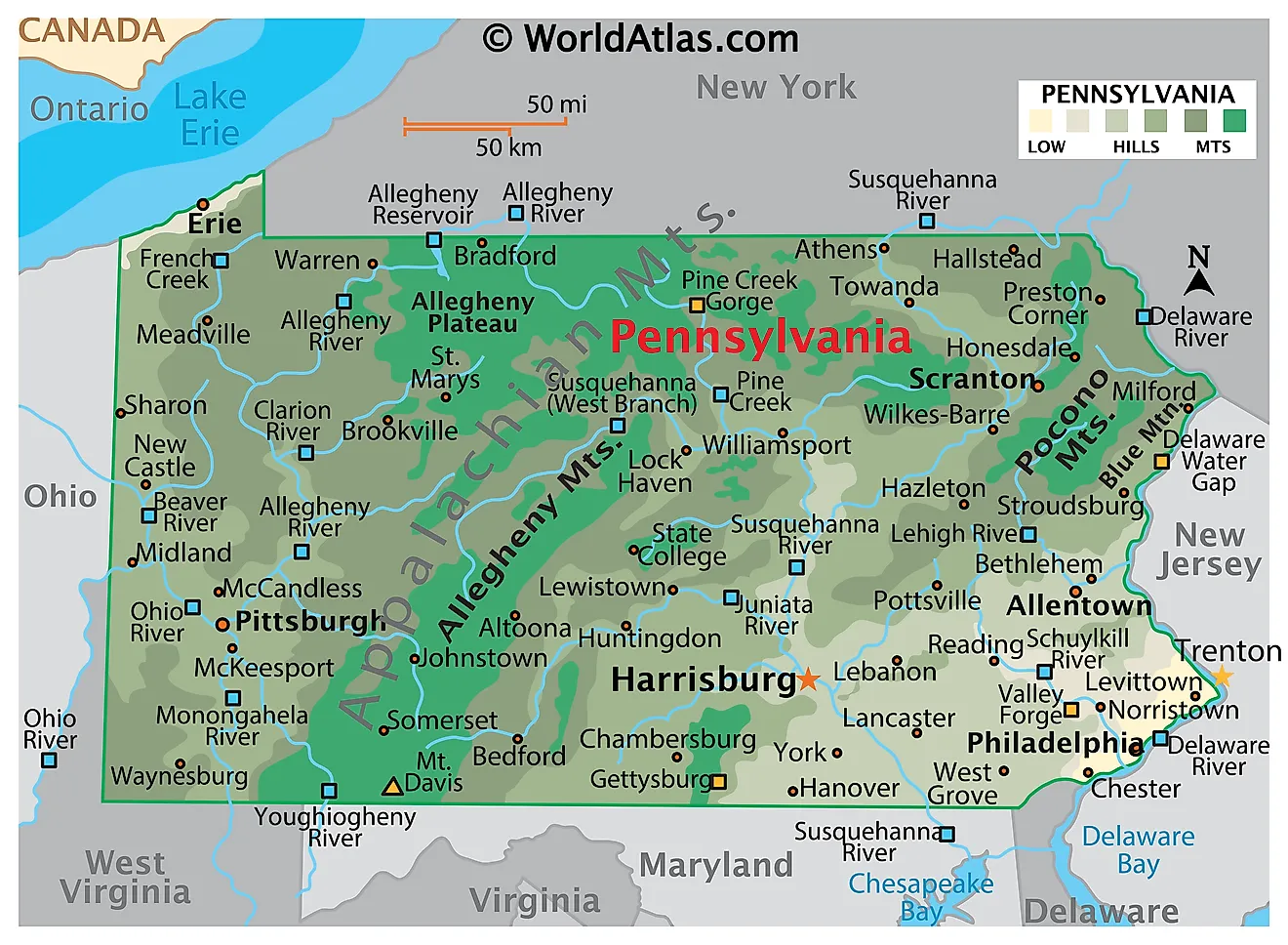
Finding the right property along the water requires looking past standard real estate listings and understanding how local topography, seasonal weather shifts, and community restrictions impact ownership. Pennsylvania offers diverse waterfront options, from expansive resort lakes in the Poconos to rugged, heavily wooded mountain reservoirs. If you're planning to invest in PA lakefront homes, you need a realistic view of pricing structures, zoning laws, and hidden maintenance costs before putting down earnest money.
The market spans several distinct regions, each with different price points and lifestyle options. Lake Wallenpaupack and Raystown Lake command top attention for motorboat enthusiasts, while smaller private communities offer quieter settings for non-motorized watercraft. Knowing what to inspect—such as bulkhead stability, dock permits, and septic limitations—will save you thousands of dollars and prevent major headaches down the road.
Major Regions for PA Lakefront Real Estate
Pennsylvania's geography creates distinct pockets of waterfront housing. Each region caters to different recreational habits, commute tolerances, and budget ranges.
The Poconos and Northeastern Pennsylvania
Northeastern Pennsylvania remains the epicenter for vacation properties and secondary homes. Communities like Lake Wallenpaupack, Hemlock Farms, and Lake Harmony feature everything from rustic cedar cabins to multi-million-dollar modern estates.
- Accessibility: Most properties sit within a two-to-three-hour drive from New York City and Philadelphia, making them prime targets for weekend commuters.
- Community Rules: Many of these developments operate under strict Homeowners Associations (HOAs) that regulate short-term rentals, exterior modifications, and dock sizes.
- Pricing Dynamics: Entry-level cabins needing updates often start around $250,000, while expansive luxury builds with private docks frequently cross the $1.5 million threshold.
Central Pennsylvania and Raystown Lake
If you prefer vast open water without dense commercialization, Central Pennsylvania offers compelling alternatives. Raystown Lake, located in Huntingdon County, boasts nearly 30 miles of shoreline surrounded by rugged state-managed forests.
- Shoreline Control: Much of the shoreline around Raystown Lake is owned and protected by the U.S. Army Corps of Engineers. This means direct, private ownership right up to the water's edge is rare, and private dock installations face stringent federal regulations.
- Property Styles: Real estate here leans toward secluded wooded acreage, hillside chalets with panoramic valley views, and established single-family homes on adjacent ridges.
Western Pennsylvania Waterways
Western PA features smaller lakes, private club communities, and riverfront properties along the Allegheny and Monongahela watersheds. Areas near Butler County and the fringes of Pittsburgh offer quiet coves and active boating communities. These spots generally offer lower median purchase prices compared to the Poconos, though inventory for true waterfront parcels remains tight.
Property Types and Architectural Styles
When searching for PA lakefront homes, you'll encounter several distinct property categories. Each comes with its own structural considerations and maintenance profiles.
Traditional Lake Houses and Cottages
Classic mid-century and modern timber homes often feature expansive wrap-around porches, large stone fireplaces, and walls of glass facing the water.
- Structural Checks: Look closely at foundation grading and drainage. Properties built on steep lakeside slopes are vulnerable to water pooling against foundation walls during heavy spring rains.
- View Corridors: Verify local zoning regarding tree removal. Some townships restrict clearing trees near the waterline to prevent soil erosion, which can impact your view.
Lakefront Condos and Townhomes
For buyers seeking a hands-off lifestyle, developments near major resort lakes offer shared amenities like community pools, tennis courts, and centralized marinas.
- Financial Realities: Monthly condo association fees cover exterior maintenance, snow removal, and common area upkeep. Always review the association's reserve fund study to ensure they have adequate cash for major roof or dock replacements.
Waterfront Lots for Custom Builds
Purchasing raw land to build a custom retreat gives you total design control, but it introduces complex site-preparation hurdles.
- Utilities: Many rural waterfront lots rely on well water and on-lot septic systems. You must commission a structural perc test to verify that the soil can support a septic drain field of adequate size for your planned bedroom count.
Hidden Costs of Waterfront Ownership
The sticker price of a waterfront property is only part of the financial equation. Operating a home exposed to moisture, wind, and recreational traffic brings unique expenses.
- Insurance Premiums: Standard homeowners policies often exclude flood damage. If your property sits within a designated federal flood zone, lenders will require separate flood insurance through the National Flood Insurance Program (NFIP) or private carriers.
- Shoreline Maintenance: Retaining walls, bulkheads, and sea walls degrade over time due to ice heave during freezing winters. Replacing or repairing a failed bulkhead can easily cost tens of thousands of dollars.
- Dock Permitting Fees: Private docks require annual permits from state departments of environmental protection or utility companies (such as PPL Corporation on Lake Wallenpaupack). Fees and regulations change periodically, limiting the size and placement of your watercraft structures.
Critical Questions to Ask Before Buying
Before making an offer on any Pennsylvania waterfront property, run through this practical checklist to catch potential dealbreakers early:
- What are the motorboat restrictions? Some lakes limit engine horsepower, restrict personal watercraft (jet skis), or enforce strict quiet hours. Make sure the body of water fits your recreational goals.
- Is the road public or private? Many lake communities rely on private roads maintained collectively by property owners or an HOA. Check who pays for winter snow plowing and pothole repair.
- Are short-term rentals permitted? If you plan to offset carrying costs by renting the home out on platforms like Airbnb or Vrbo, verify local municipal ordinances and HOA bylaws. Many PA townships have enacted strict licensing caps or outright bans on short-term rentals.
- What is the water source and waste system? Ensure you aren't dealing with a shared community well with failing infrastructure or an aging sand-mound septic system nearing the end of its functional lifespan.
For official guidance on state water regulations and boating safety laws, consult the Pennsylvania Fish and Boat Commission. To research regional market values and historic property taxes, check local county assessment records, such as the Pike County Assessment Office.
Frequently Asked Questions
Can I build a private dock on any lake in Pennsylvania?
No. Dock rights depend entirely on the body of water. Some lakes allow private docks with proper state or utility permits, while others strictly prohibit private structures, requiring residents to lease slips at community marinas.
How do Pennsylvania winters affect lake houses?
Freezing temperatures and heavy snowfall require proper winterization. Homeowners must drain exterior water lines, winterize boat engines, and protect pipes from freezing if the home is left vacant during winter months.
Are PA lakefront property taxes higher than inland homes?
Taxes vary by county and township, but homes with direct water access generally carry higher assessed values due to their desirability, resulting in higher annual property tax bills compared to inland properties of similar square footage.
Do I need a specialized real estate agent for waterfront homes?
Yes. Local agents who specialize in lakefront transactions understand nuanced issues like riparian rights, dock transfer laws, environmental setbacks, and community-specific bylaws that standard agents often overlook.


