The Oxnard Soccer League serves as a cornerstone for athletic development and community engagement in Southern California, offering structured competition for thousands of local players. Whether you're a parent enrolling a child in foundational grassroots programs or an adult player seeking competitive weekend fixtures, understanding the league structure, field locations, and registration periods is essential for participation.
Founded to provide organized athletic opportunities across Ventura County, the league operates multiple seasonal divisions tailored to different age groups and skill levels. Operating across city parks and dedicated athletic complexes, it balances recreational enjoyment with competitive player pathways.
Program Divisions and Age Brackets
Choosing the right division depends on participant age, experience, and competitive drive. The league structures its offerings into distinct tiers:
- Grassroots (Ages 4 to 8): Focuses on fundamental motor skills, basic ball control, and small-sided games designed to foster an early love for the sport. Scores aren't kept, prioritizing participation and coordination.
- Youth Development (Ages 9 to 13): Introduces tactical awareness, positional play, and structured league matches with weekly standings. Referees officiate under standard youth soccer guidelines.
- Competitive Club and Select (Ages 14 to 18): Caters to advanced athletes participating in regional tournaments and higher-tier league play across Southern California. Tryouts are typically held annually in late spring.
- Adult Recreational and Co-Ed: Provides structured weekend fixtures for players aged 18 and older, emphasizing fitness, community camaraderie, and recreational competition.
Local facilities such as Oxnard Community Services host many of the primary weekend fixtures, supported by municipal field maintenance programs. For another look on this event, refer to the latest update from Reuters.
Registration Deadlines and Season Timelines
Planning ahead ensures secure roster spots, as popular divisions fill quickly before seasonal kickoffs.
The fall season represents the primary league window, with registration opening in May and closing by early August. Practices typically begin in mid-August, and matches run from September through November. For players interested in spring leagues, registration opens in November, with matches running from March to May.
Required registration documentation typically includes:
- A government-issued birth certificate or passport for age verification (youth divisions).
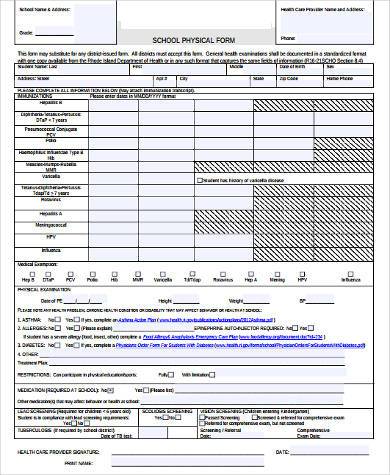
- Completed medical release and liability waiver forms.
- Recent passport-style player photographs for league identification cards.
- Payment receipts covering league registration fees and insurance.
Financial aid and sibling discounts are available through local community grants for families needing assistance with registration costs.
Training Methodologies and Coaching Standards
Player progression relies heavily on structured coaching frameworks aligned with U.S. Soccer guidelines. Coaches undergo background checks and acquire age-specific coaching licenses before managing teams.
Training sessions emphasize technical proficiency over match outcomes in younger brackets. Drills focus on first-touch control, passing accuracy, and spatial awareness. Older competitive squads incorporate tactical video analysis, physical conditioning regimens, and position-specific training to prepare athletes for high school and club-level competition.
Frequently Asked Questions
What equipment do players need to provide?
Players must supply their own shin guards, soccer cleats appropriate for natural grass or artificial turf, and socks covering the shin guards. The league provides team jerseys for official matches, while practice balls and training bibs are handled by individual team managers.
Are tryouts required for recreational divisions?
No tryouts are required for grassroots or standard recreational divisions. Teams are formed through a balanced draft or neighborhood grouping process to ensure competitive parity across the league. Tryouts are strictly required for select and competitive club teams.
How are weather cancellations handled?
In the event of heavy rain or unsafe field conditions, the league posts cancellation notices on its official portal at least two hours before scheduled kickoff times. Rescheduled matches are typically slotted into designated makeup weekends near the end of the season.
Can parents volunteer as coaches or referees?
The league actively encourages parent involvement. Volunteer coaches receive introductory training clinics and certification support, while referee development courses are offered seasonally for individuals interested in officiating youth matches.



